The Assessment of Sustainability Literacy and Knowledge is an important initiative designed to measure and strengthen our collective understanding of sustainability principles within the academic community. Through a structured 20-item SDG knowledge questionnaire, this assessment evaluates awareness of key concepts such as the Sustainable Development Goals (SDGs), the 2030 Agenda, and the interconnected environmental, social, economic, and institutional dimensions of sustainability. Your participation will help us better understand our current position and identify areas for improvement.

We warmly invite all faculty members, staff, and students to take part in this assessment. By contributing your responses, you are playing an active role in advancing sustainability awareness and fostering a more responsible and informed academic environment. This initiative is not only a measurement tool but also a collective effort to embed sustainability values into teaching, learning, research, and daily practices across the institution.

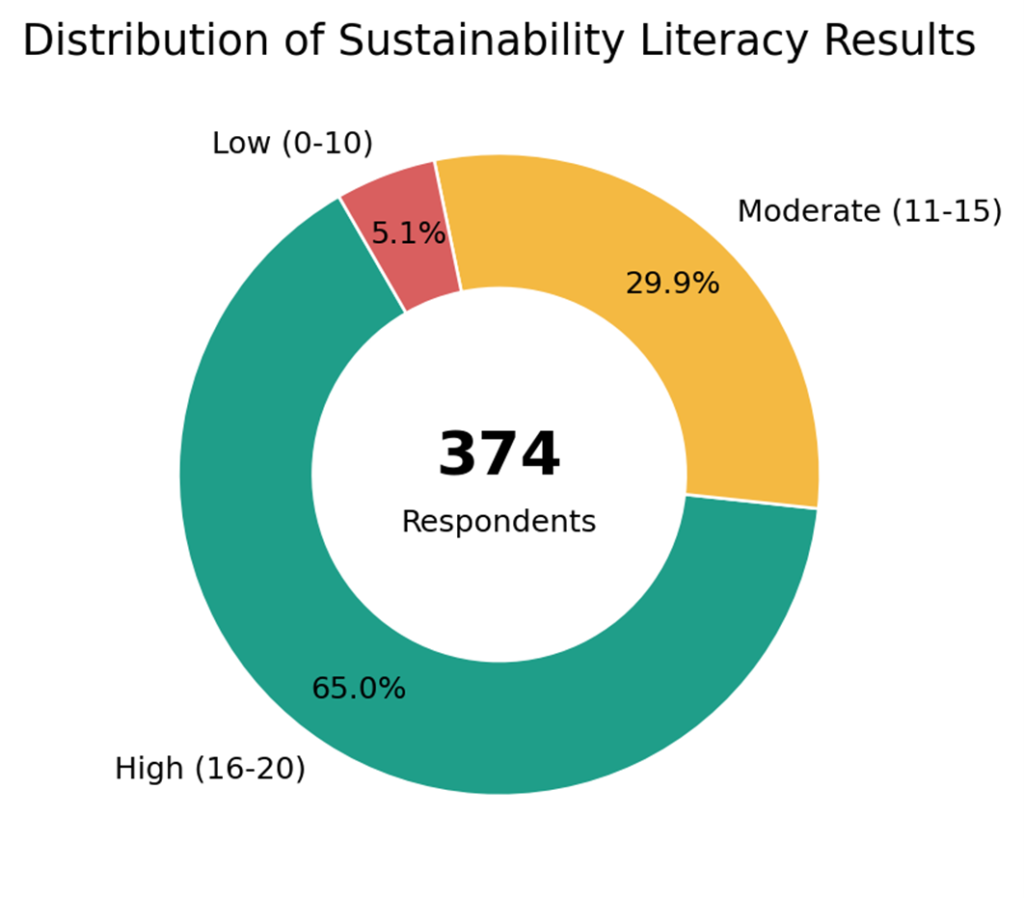
The questionnaire consists of 20 questions, where each correct answer is awarded one point, with a maximum possible score of 20. The results will be categorized into three levels: high (16–20), moderate (11–15), and low (0–10). These results will be used as an institutional benchmark and supporting evidence for sustainability performance, including international frameworks such as QS Sustainability rankings.

Your involvement is essential in shaping a more sustainable future for our institution. By participating in this assessment, you contribute to building a culture of sustainability that benefits not only our campus but also society at large. Let us work together to enhance our knowledge, strengthen our commitment, and take meaningful steps toward achieving the Sustainable Development Goals.
Result Sustainability Literacy Assessment For Academic Staff

Further analysis reveals that sustainability knowledge is consistently distributed across different experience levels, with slightly higher scores among more experienced lecturers. The strongest areas of understanding include governance, ethics, and the basic SDG framework. Overall, the findings demonstrate that UNIMUS has successfully embedded sustainability awareness among its academic staff and can use these results as credible supporting evidence for QS Sustainability reporting and future institutional development.

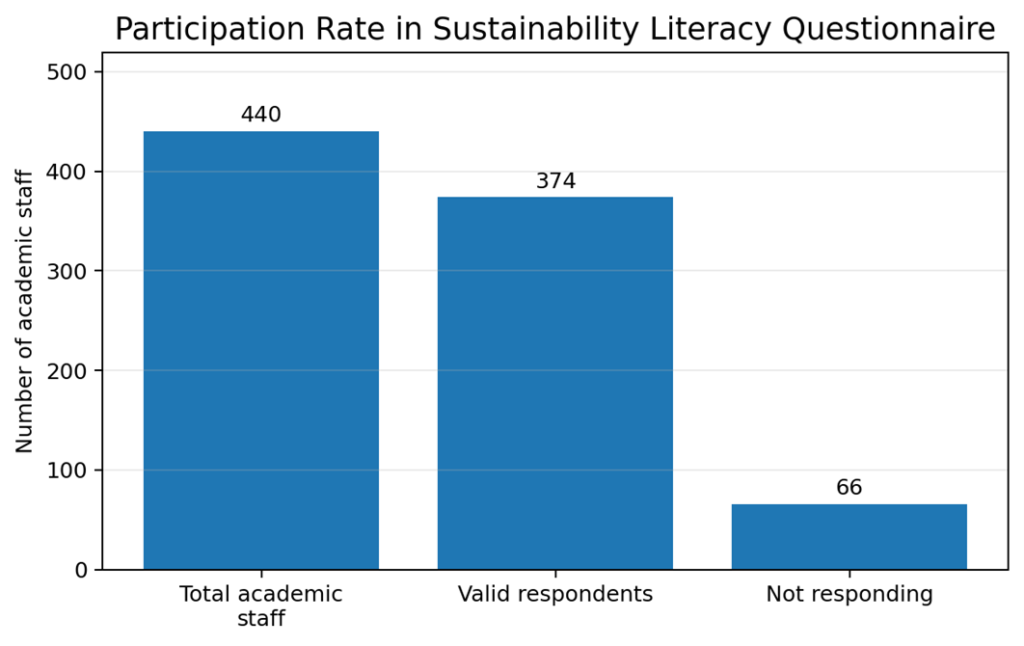
The sustainability literacy assessment conducted at Universitas Muhammadiyah Semarang (UNIMUS) evaluated the understanding of academic staff using a 20-item SDG knowledge questionnaire. A total of 374 out of 440 lecturers participated, achieving a high response rate of 85%. The results show an average score of 16.7 out of 20 (83.5%), placing the overall performance in the “good to very good” category. Most respondents (65%) fall into the high category, indicating a strong comprehension of sustainability concepts, including Agenda 2030, environmental justice, and stakeholder roles.

Result Sustainability Literacy Assessment For Students

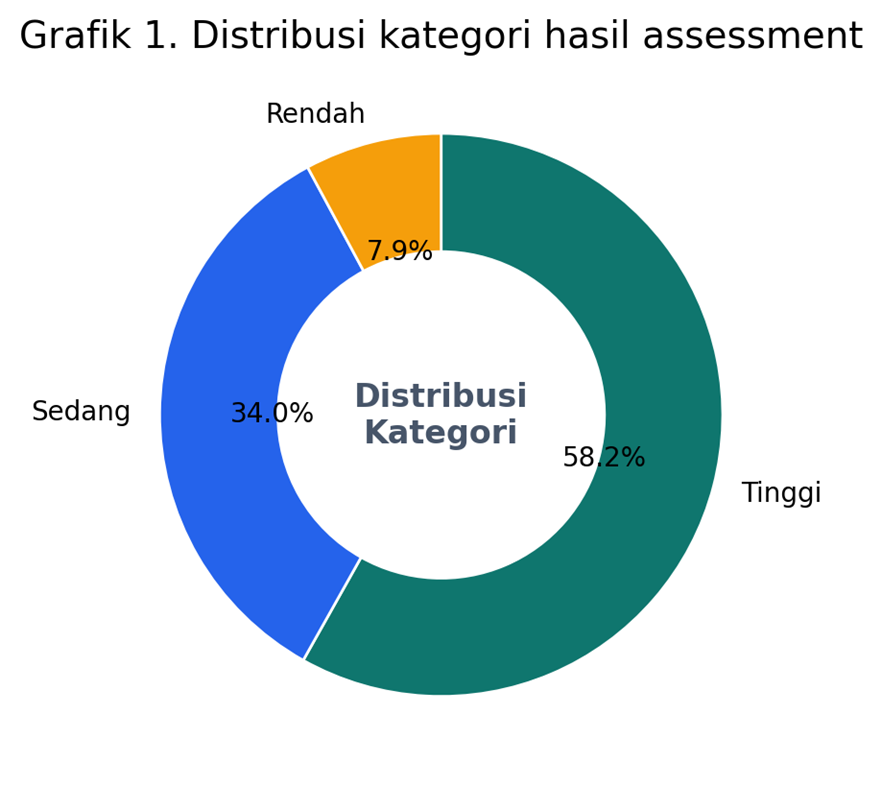
The sustainability literacy assessment at Universitas Muhammadiyah Semarang (UNIMUS) involved 1,245 students out of a total population of 11,083, resulting in an 11.2% participation rate. Using a 20-item SDG knowledge questionnaire, the study found an average score of 15.8 out of 20 (79.0%), indicating a generally good level of understanding. A majority of students (58.2%) were categorized in the high group, followed by 34.0% in the moderate category and only 7.9% in the low category. These results suggest that most students have a solid grasp of fundamental sustainability concepts, particularly regarding SDG goals, universality, and the 2030 Agenda.

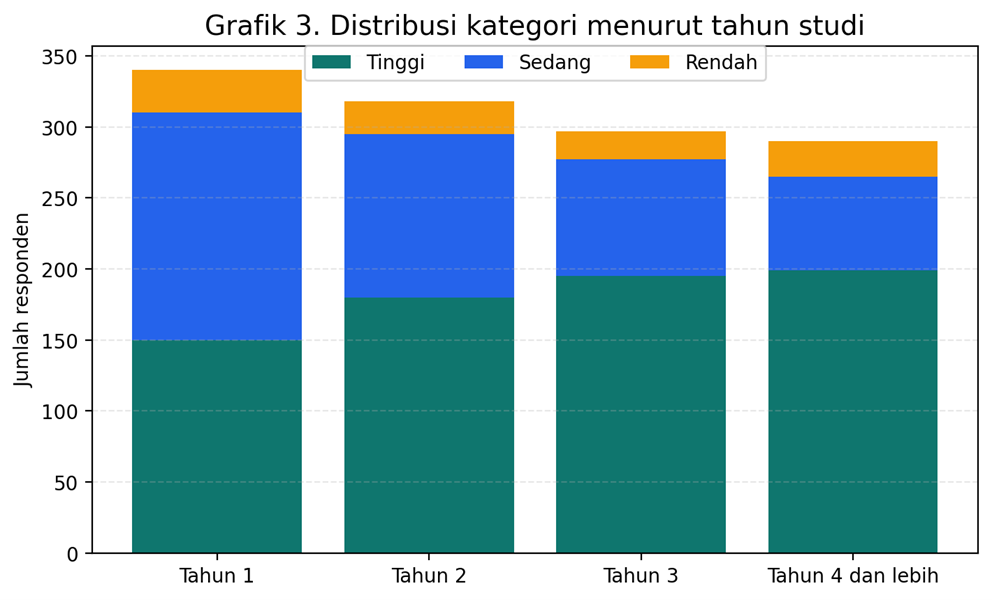
Further analysis shows that sustainability literacy improves slightly with academic progression, with senior students achieving higher average scores.Overall, the findings confirm that sustainability awareness among UNIMUS students is well established and can serve as strong supporting evidence for QS Sustainability reporting, while also guiding future educational improvements.