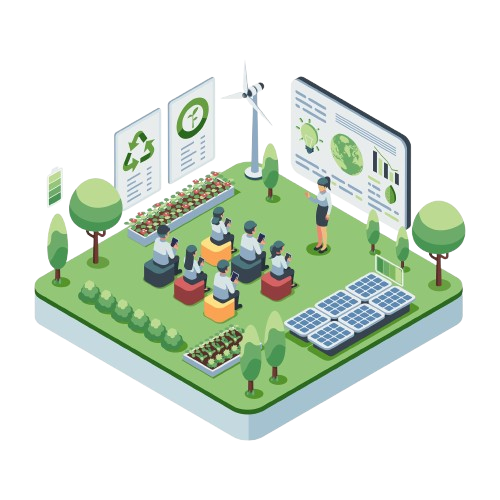

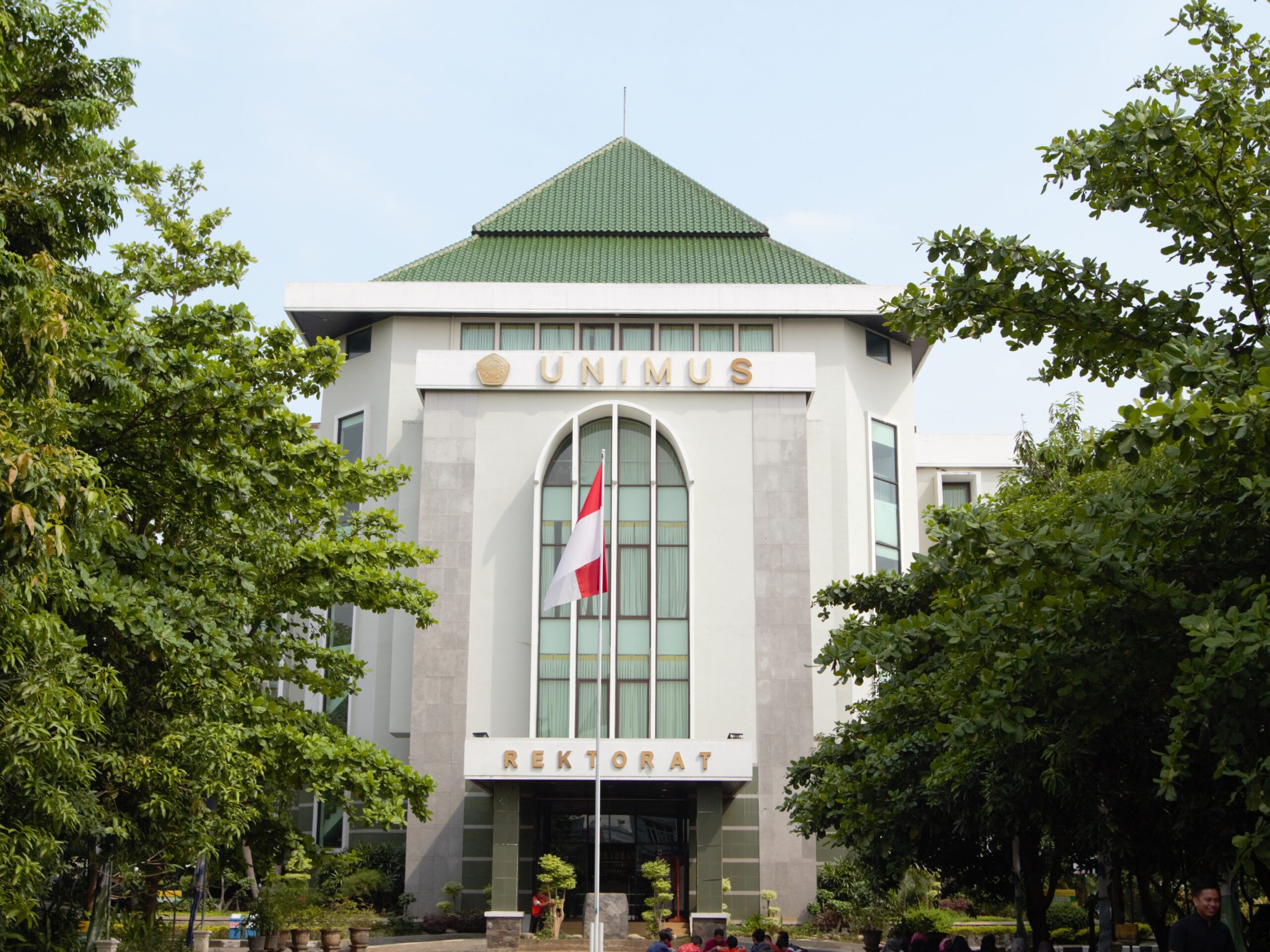
Universitas Muhammadiyah Semarang integrates the principles of sustainability into its educational framework, ensuring that students gain not only academic knowledge but also a strong awareness of global challenges. Through interdisciplinary learning, students are encouraged to develop critical thinking and innovative solutions that align with the Sustainable Development Goals (SDGs). This approach prepares graduates to become responsible professionals who contribute to a more sustainable and equitable future.
Universitas Muhammadiyah Semarang demonstrates a strong institutional commitment to integrating sustainability across its academic programs through continuous curriculum innovation, applied research, and community engagement. Guided by the Curriculum Refresh Program, UNIMUS ensures that sustainability values are embedded in the learning outcomes, teaching methods, and community service activities of various study programs. These initiatives aim to align academic activities with the Sustainable Development Goals (SDGs), particularly in promoting clean energy, sustainable agriculture, environmental protection, public health, and education for sustainable development.
Several study programs have explicitly incorporated sustainability principles into their curriculum, research, and student activities. Among them are the Bachelor of Electrical Engineering, Bachelor of Agribusiness, Bachelor of Food Technology, and Bachelor of Chemistry Education, each contributing to sustainability advancement through their respective disciplinary focuses.
The Bachelor of Electrical Engineering Study Program at Universitas Muhammadiyah Semarang (UNIMUS) integrates sustainability principles into education, research, and community service in alignment with the Sustainable Development Goals (SDGs). The program develops engineers who are not only competent in electrical and electronic systems but also have strong awareness of environmental responsibility, energy efficiency, and technological innovation for sustainability.
Diploma of Nutrition |
Diploma of Nursing |
diploma of Midwifery |
Diploma 4 of Medical Laboratory Technology |
Medical Surgical Nursing Specialist |
Profession of Midwifery |
Profession of Nurse |
Bachelor of Nutrition Science |
Bachelor of Nursing Science |
Bachelor of Midwifery |
Mathematic Education |
Chemistry Education |
English Language Education |
English Literature |
Profession of Teacher |
Bachelor of Public Health |
Bachelor of Sports |
Bachelor of Marine Science |
Bachelor of Data Science |
Bachelor of Statistics |
Bachelor of Food Technology |
Bachelor of Architecture |
Bachelor of Informatics |
Bachelor of Electrical Engineering |
Bachelor of Civil Engineering |
Bachelor of Mechanical Engineering |
Bachelor of Information Technology |
Bachelor of Agribusiness |
Bachelor of Accounting |
Bachelor of Management |
Profession of Medicine |
Bachelor of Medicine |
Professionof Dentistry |
Bachelor of Dentistry |
Master of Nutritional Science |
Master of Clinical Laboratory Science |
Master of Nursing |
Master of Public Health |
At Universitas Muhammadiyah Semarang, research plays a strategic role in advancing sustainable development. The university promotes innovative and collaborative research initiatives that address key environmental, social, and economic issues. By aligning research outputs with the Sustainable Development Goals (SDGs), UNIMUS continues to strengthen its contribution to knowledge creation while offering practical solutions to complex global challenges.
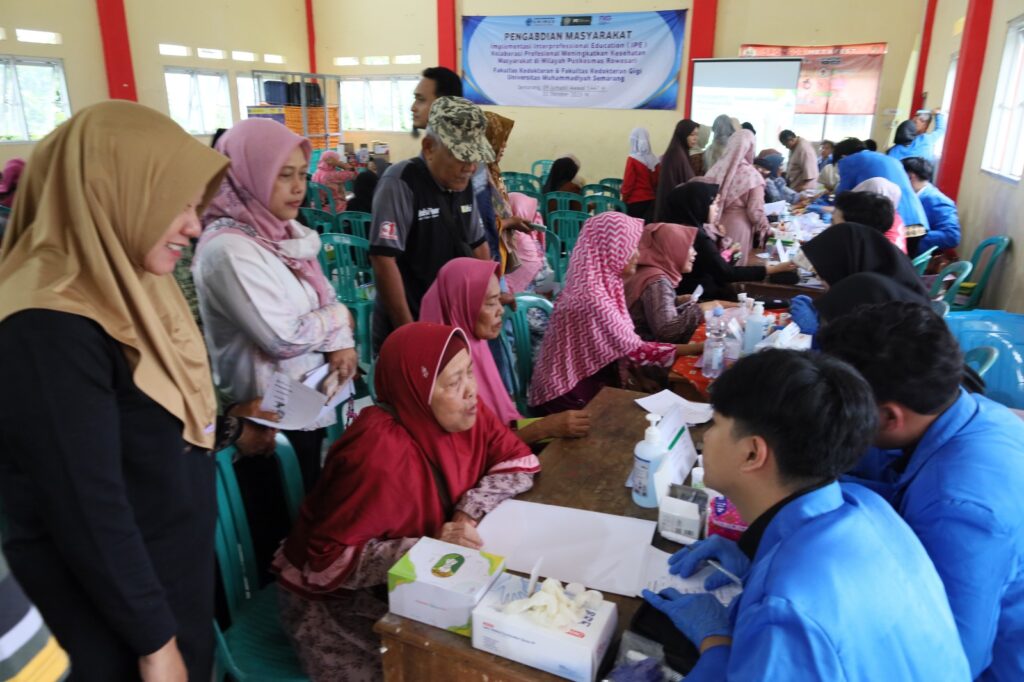
Universitas Muhammadiyah Semarang actively implements community service as part of its commitment to the Tri Dharma Perguruan Tinggi. These initiatives are designed to empower communities, improve quality of life, and foster sustainable development at various levels. Through partnerships with diverse stakeholders, UNIMUS ensures that its community engagement efforts contribute directly to the achievement of the Sustainable Development Goals (SDGs) and create lasting positive impact.

Universitas Muhammadiyah Semarang is committed to implementing sustainable governance as the foundation of its institutional development. Through transparent, accountable, and ethical decision-making processes, UNIMUS ensures that sustainability principles are embedded in its policies, strategies, and organizational practices.
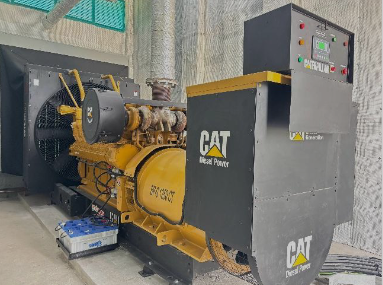
Universitas Muhammadiyah Semarang actively promotes the transition toward renewable and low-emission energy sources to reduce its dependency on fossil fuels. As of 2025, three major renewable energy systems are in operation across the campus: biodiesel power generation, solar-powered street lighting (PJU), and rooftop solar panels installed at the Vocational Training Center (BLK).
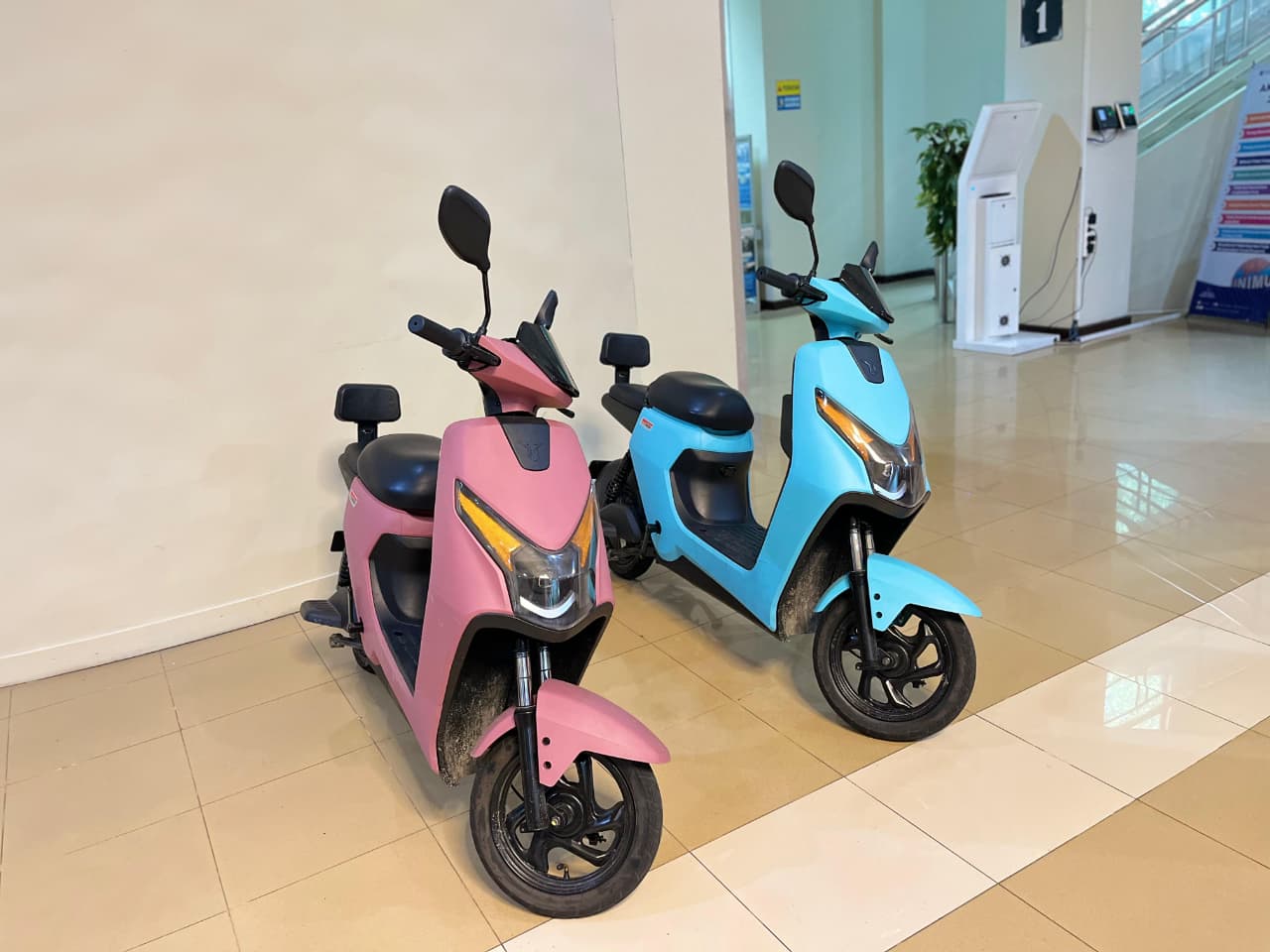
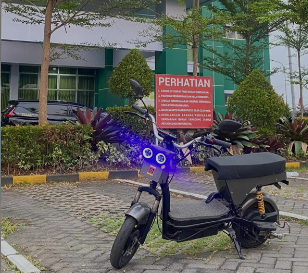
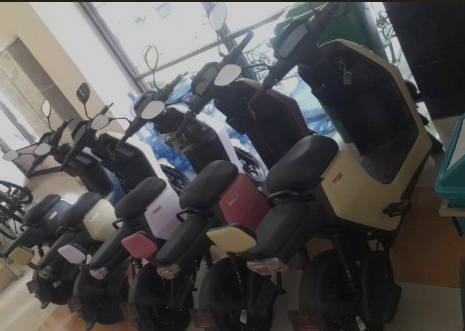
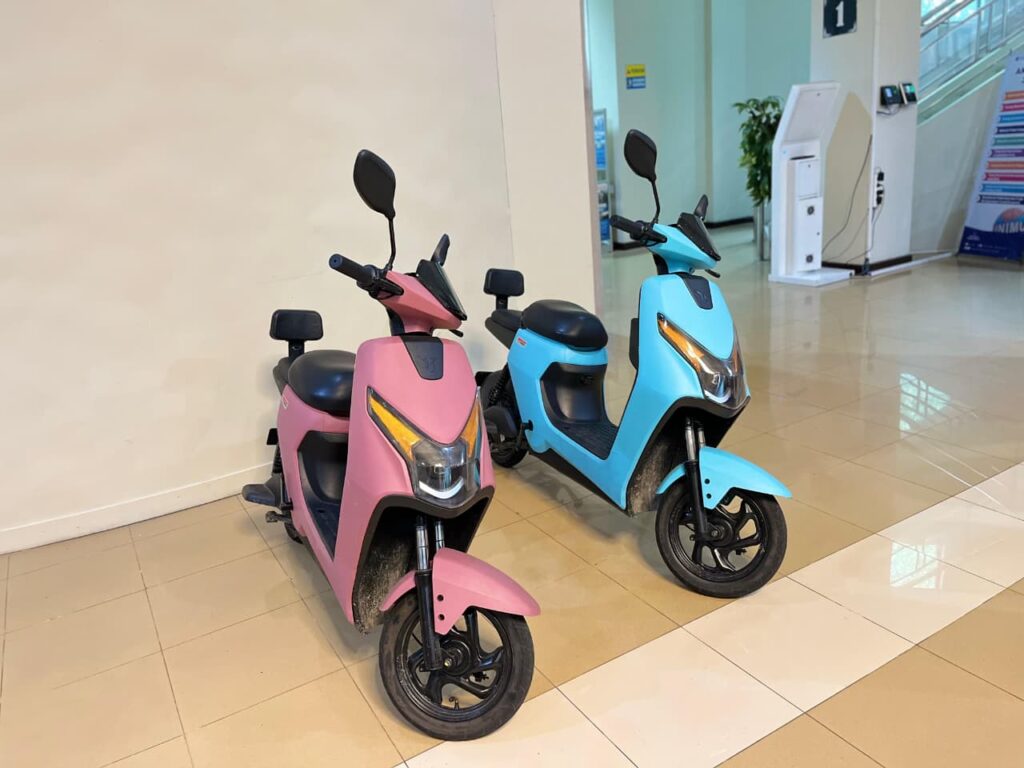
Universitas Muhammadiyah Semarang provides Zero Emission Vehicles (ZEV) to facilitate the mobility of its academic community within the campus, enabling easy access to various facilities. The fleet consists of bicycles and electric bicycles (E-bikes), which are made available free of charge to all members of the academic community.
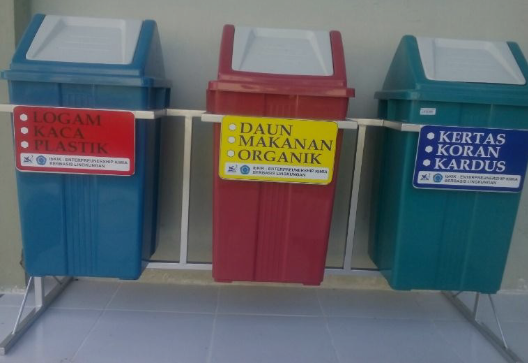
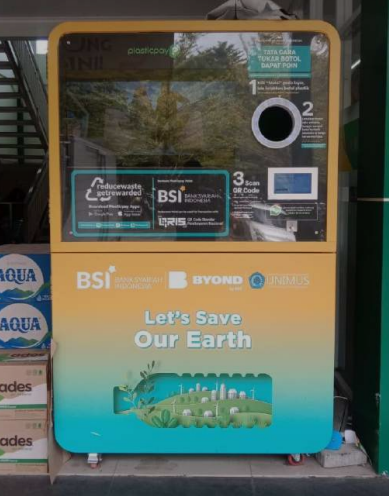
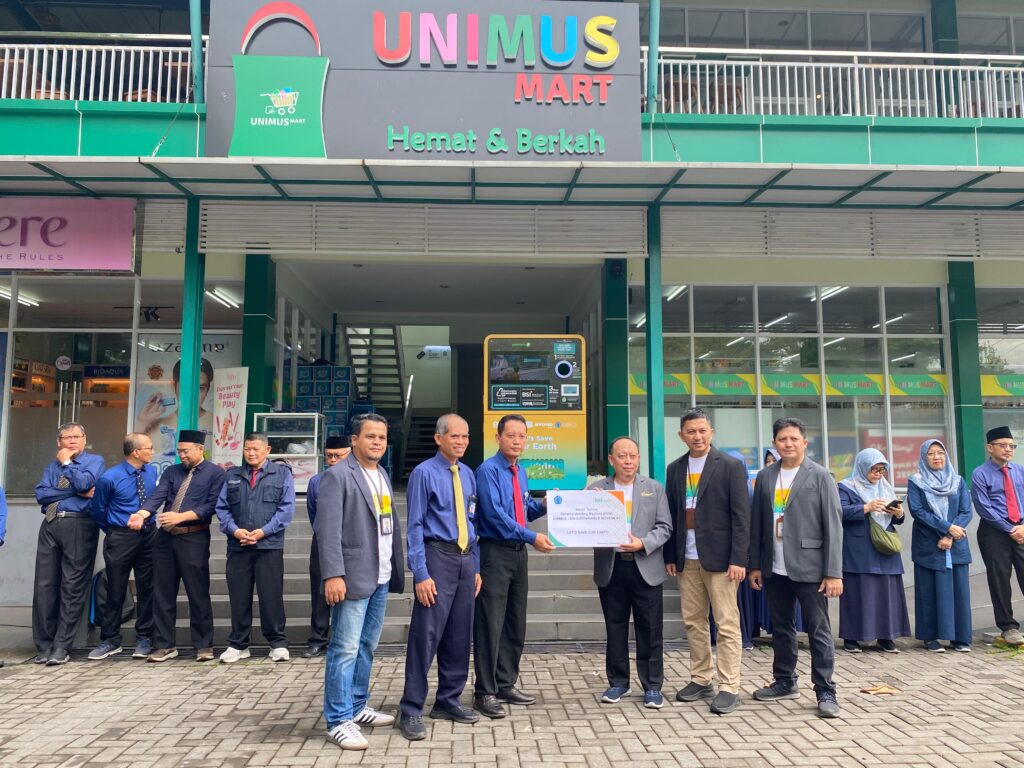
University of Muhammadiyah Semarang has implemented the 3R program (Reduce, Reuse, and Recycle) as part of its commitment to becoming a green and sustainable campus. This program is carried out in an integrated manner by the Business Assurance and Management Unit (UPPU) with active support from faculties, students, and educational staff.
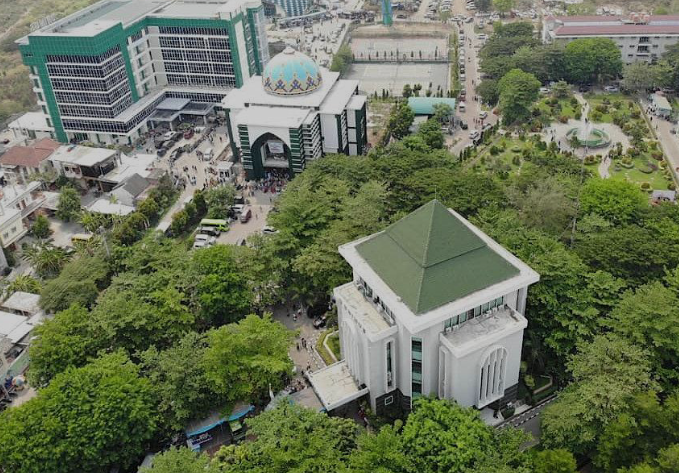
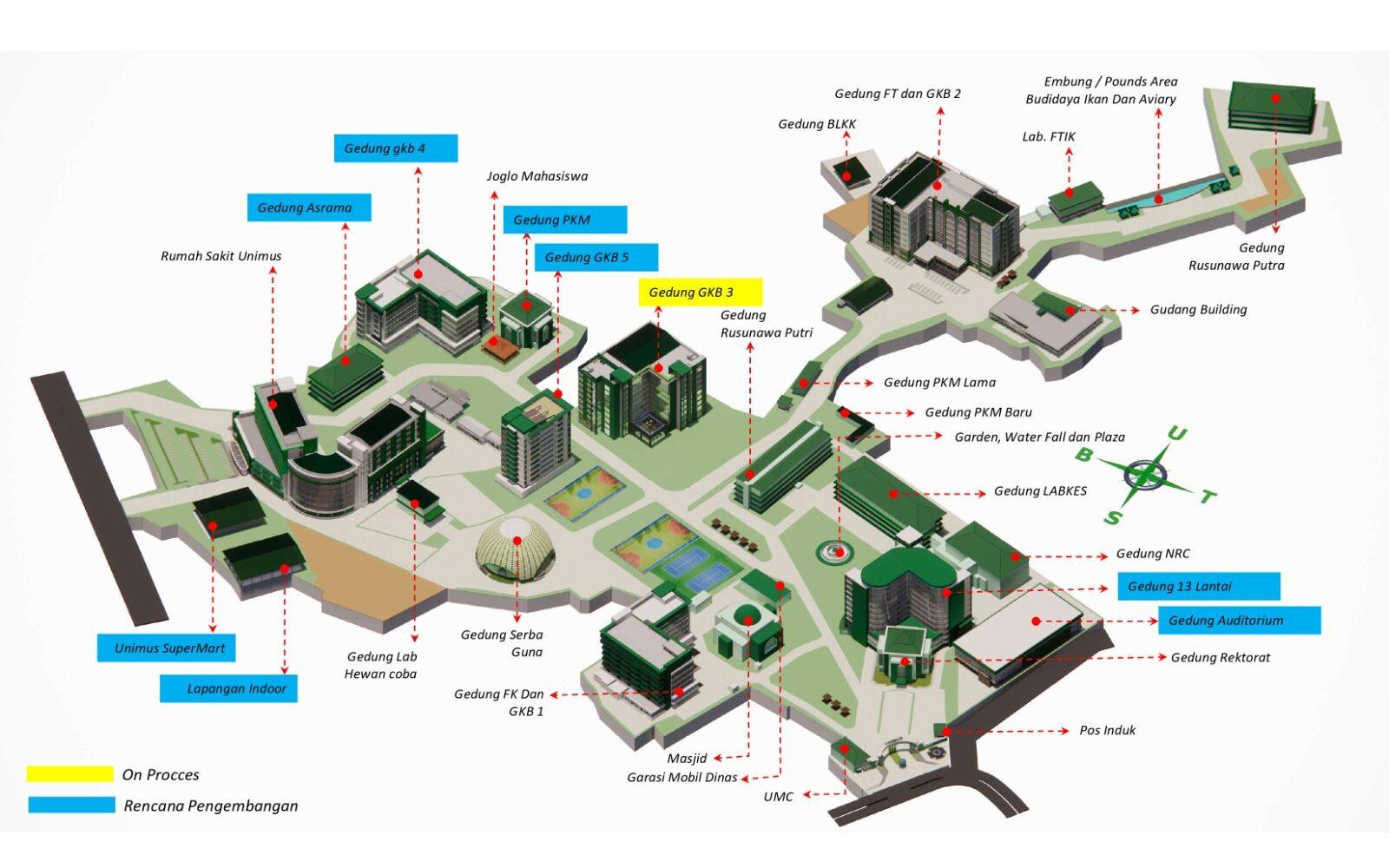
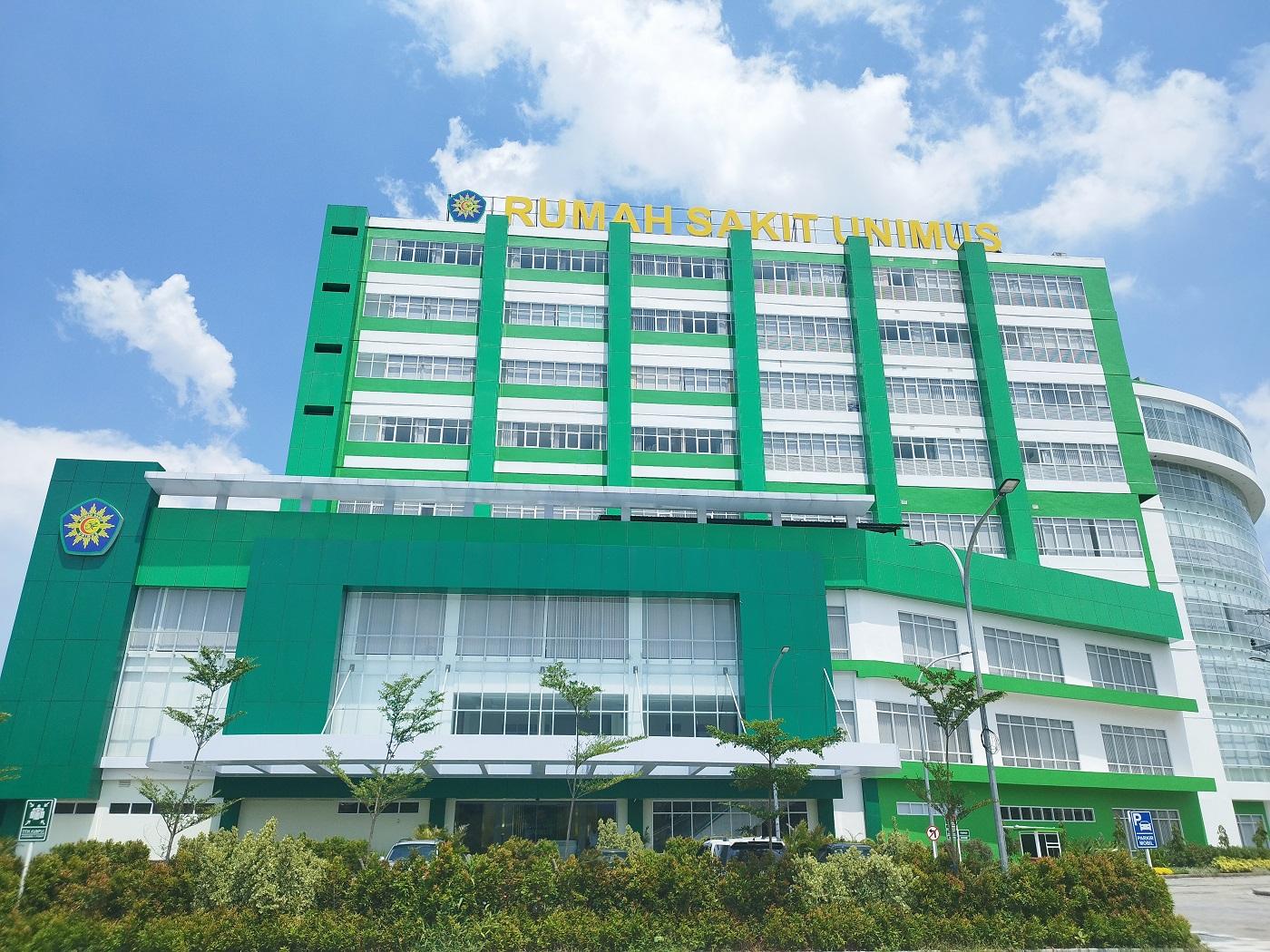
Universitas Muhammadiyah Semarang has integrated the concept of smart building into several key facilities that meet at least five intelligent features, including room automation, safety systems (CCTV), energy management, water waste management, and indoor environmental control. As of 2025, UNIMUS has implemented smart building technology in multiple core buildings such as Joint Lecture 1, Joint Lecture 2, Joint Lecture 3 and Hospital Building UNIMUS.
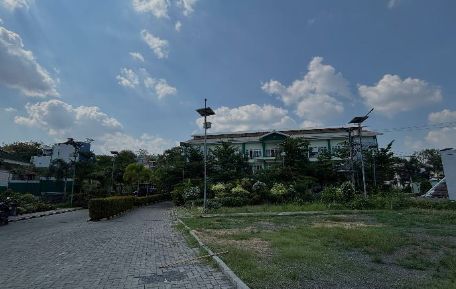
Our efforts to transform the planet for the better through research, a strategic focus on climate mitigation, and how impactful our alumni have been in creating a more sustainable world.
Our efforts in transforming society through equality measures, knowledge sharing, providing strong outcomes to graduates and ensuring a great experience for our college students.
Realizing best practices in governance through good leadership, democratic processes, open and documented decision making, and power across the institution, including our students.
Universitas Muhammadiyah Semarang is committed to implementing sustainable governance as the foundation of its institutional development. Through transparent, accountable, and ethical decision-making processes, UNIMUS ensures that sustainability principles are embedded in its policies, strategies, and organizational practices.
The university continuously strengthens its governance framework by promoting integrity, inclusivity, and stakeholder engagement at all levels. This approach enables UNIMUS to respond effectively to evolving global challenges while maintaining a strong commitment to institutional excellence.
By aligning governance with sustainability values, Universitas Muhammadiyah Semarang fosters a responsible and forward-looking academic environment. This commitment supports the achievement of the Sustainable Development Goals (SDGs) and reinforces the university’s role as a trusted and impactful higher education institution.
Universitas Muhammadiyah Semarang actively promotes the transition toward renewable and low-emission energy sources to reduce its dependency on fossil fuels. As of 2025, three major renewable energy systems are in operation across the campus: biodiesel power generation, solar-powered street lighting (PJU), and rooftop solar panels installed at the Vocational Training Center (BLK).
The total renewable energy production amounts to 46,785 kWh/month, equivalent to 561,420 kWh/year. When compared to the university’s total electricity consumption of 383,430 kWh/month (≈ 4,601,160 kWh/year), the ratio of renewable energy production is calculated as:
| No | Renewable Energy | Production (in kWh) |
| 1 | Biodiesel | 45,840 |
| 2 | Solar panel | 180 |
| 3 | Solar Power Rooftop BLK | 270 |
| Total | 46.290 |
Universitas Muhammadiyah Semarang provides Zero Emission Vehicles (ZEV) to facilitate the mobility of its academic community within the campus, enabling easy access to various facilities. The fleet consists of bicycles and electric bicycles (E-bikes), which are made available free of charge to all members of the academic community. UNIMUS also provides a shuttle service, as shown in Figure 1. This shuttle service consists of a small biodiesel-fueled bus, operated regularly by UNIMUS, and is available free of charge for all members of the UNIMUS academic community.
University of Muhammadiyah Semarang has implemented the 3R program (Reduce, Reuse, and Recycle) as part of its commitment to becoming a green and sustainable campus. This program is carried out in an integrated manner by the Business Assurance and Management Unit (UPPU) with active support from faculties, students, and educational staff.
Universitas Muhammadiyah Semarang has integrated the concept of smart building into several key facilities that meet at least five intelligent features, including room automation, safety systems (CCTV), energy management, water waste management, and indoor environmental control. As of 2025, UNIMUS has implemented smart building technology in multiple core buildings such as Joint Lecture 1, Joint Lecture 2, Joint Lecture 3 and Hospital Building UNIMUS.
Jl. Kedungmundu Raya No. 18, Kec. Tembalang, Kota Semarang, Jawa Tengah.
(024) 76740296
Copyright 2025, UNIVERSITAS MUHAMMADIYAH SEMARANG. All Rights Reserved.