Governance
Universitas Muhammadiyah Semarang is committed to embedding sustainability, governance, and institutional responsibility across all aspects of its operations. This page presents a collection of official policies that guide the university’s practices in areas such as environmental management, sustainable procurement, transportation, and social responsibility.
Universitas Muhammadiyah Semarang's Committee on Equality, Diversity, and Inclusion
Universitas Muhammadiyah Semarang is committed to embedding sustainability, governance, and institutional responsibility across all aspects of its operations. This page presents a collection of official policies that guide the university’s practices in areas such as environmental management, sustainable procurement, transportation, and social responsibility. These policies reflect the university’s ongoing efforts to create a structured and accountable approach to sustainability. Universitas Muhammadiyah Semarang also establishes a Task Force for the Prevention and Handling of Sexual Violence (PPKS), which plays a key role in promoting equality, diversity, and inclusion within the university environment.
Promoting Integrity through Anti-Bribery and Anti-Corruption Policies
Universitas Muhammadiyah Semarang is committed to strengthening institutional integrity through transparent, accountable, and ethical governance. The university has implemented comprehensive anti-bribery and anti-corruption policies to ensure that all academic and administrative processes are conducted with fairness and integrity. These policies play a crucial role in preventing unethical practices, promoting good governance, and fostering a culture of trust and responsibility within the university community.
The following section presents the official policy documents that outline the university’s framework for anti-bribery and anti-corruption practices. These documents serve as formal guidelines for all stakeholders and demonstrate Universitas Muhammadiyah Semarang’s commitment to maintaining integrity through structured policies and continuous implementation.
- UNIMUS Rector Decree No.579/UNIMUS/SK.PP/2024 on the Gratuity Control and Prevention Policy at Universitas Muhammadiyah Semarang
- UNIMUS Rector Decree No. 606/UNIMUS/SK.PP/2024 on the Whistleblowing System for Reporting Alleged Violations at Universitas Muhammadiyah Semarang
- Guidelines on Conflicts of Interest
Sustainability Committee
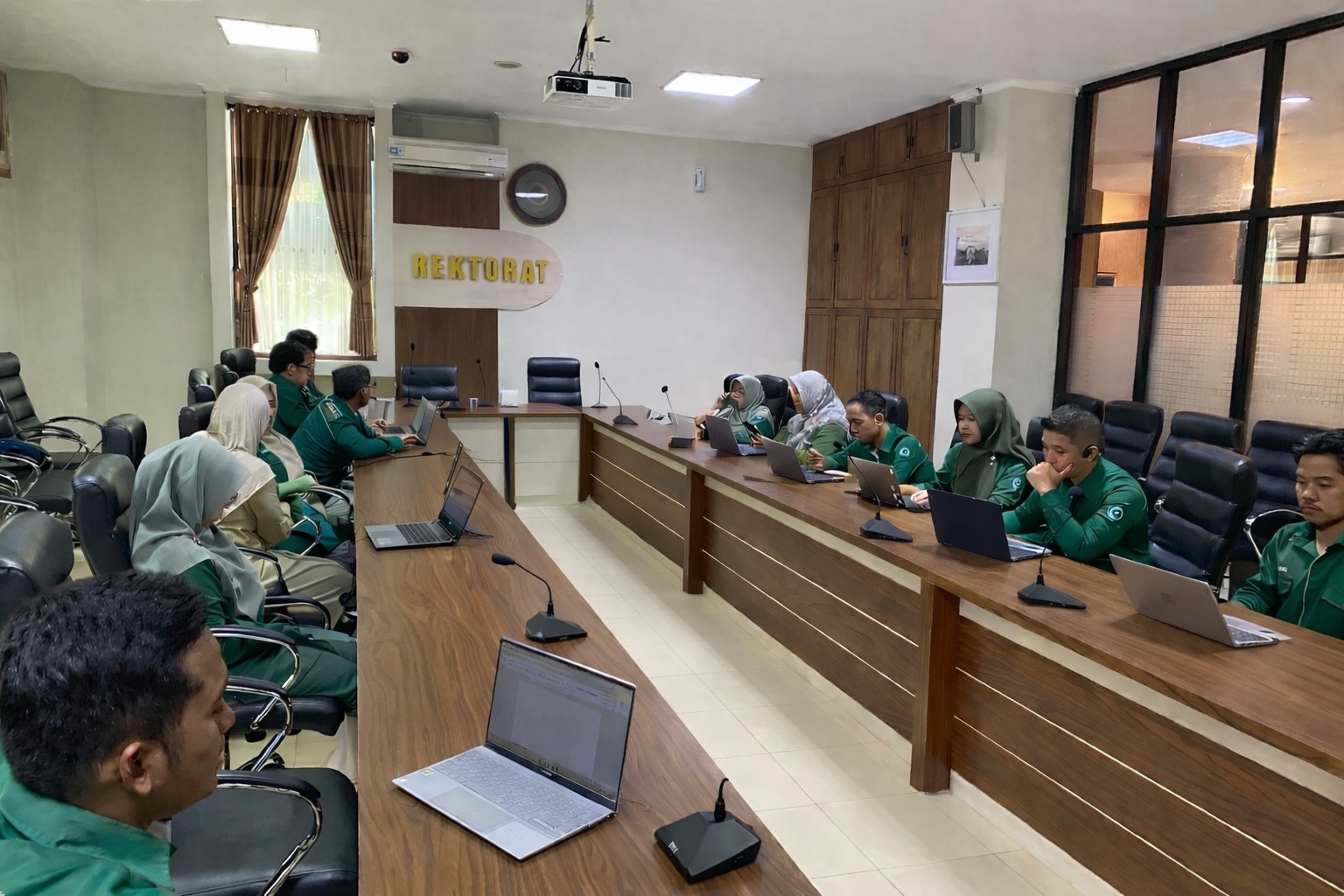
The Sustainability Committee at Universitas Muhammadiyah Semarang (UNIMUS) serves as a strategic body responsible for integrating sustainability principles into institutional policies, academic activities, research, and community engagement. The committee plays a central role in aligning university initiatives with the Sustainable Development Goals (SDGs), ensuring a holistic and measurable impact.
This committee consists of representatives from university leadership, academic staff, and administrative units, enabling a collaborative and interdisciplinary approach to sustainability governance. Through this structure, the committee ensures that sustainability efforts are inclusive, participatory, and embedded across all levels of the institution.
The key responsibilities of the Sustainability Committee include formulating sustainability policies, monitoring and evaluating sustainability programs, promoting environmental awareness, and facilitating partnerships with external stakeholders. The committee also oversees the implementation of environmentally responsible practices on campus, such as energy efficiency, waste management, and sustainable resource use.
In addition, the committee actively supports the integration of sustainability into the curriculum and research agenda, encouraging innovation and interdisciplinary collaboration. Regular reporting and transparency are maintained to track progress and ensure accountability in achieving sustainability targets.
Through its commitment and structured approach, the Sustainability Committee reinforces UNIMUS’s dedication to becoming a sustainable and socially responsible institution that contributes meaningfully to global sustainable development.
Student Representation in University Governance at UNIMUS
1. The Focus Group Discussion (FGD) activity between university leaders in the field of student affairs and representatives of Student Organizations (Ormawa) was held as a strategic forum to discuss policies and guidelines for the implementation of MASTA (Masa Ta’aruf Mahasiswa in 2025). This activity was led by Mrs. Fitria and accompanied by Mr. Rully and Mr. Anjar, by involving representatives of Ormawa from various units as dialogue partners.
This FGD aims to equalize perceptions, review, and ensure the validity of MASTA policies and documents that will be used as official guidelines in the implementation of new student admission activities. In the discussion that took place in a participatory manner, the participants provided input, clarification, and considerations related to the substance of the policy, the implementation mechanism, and the values that they wanted to instill in new students.
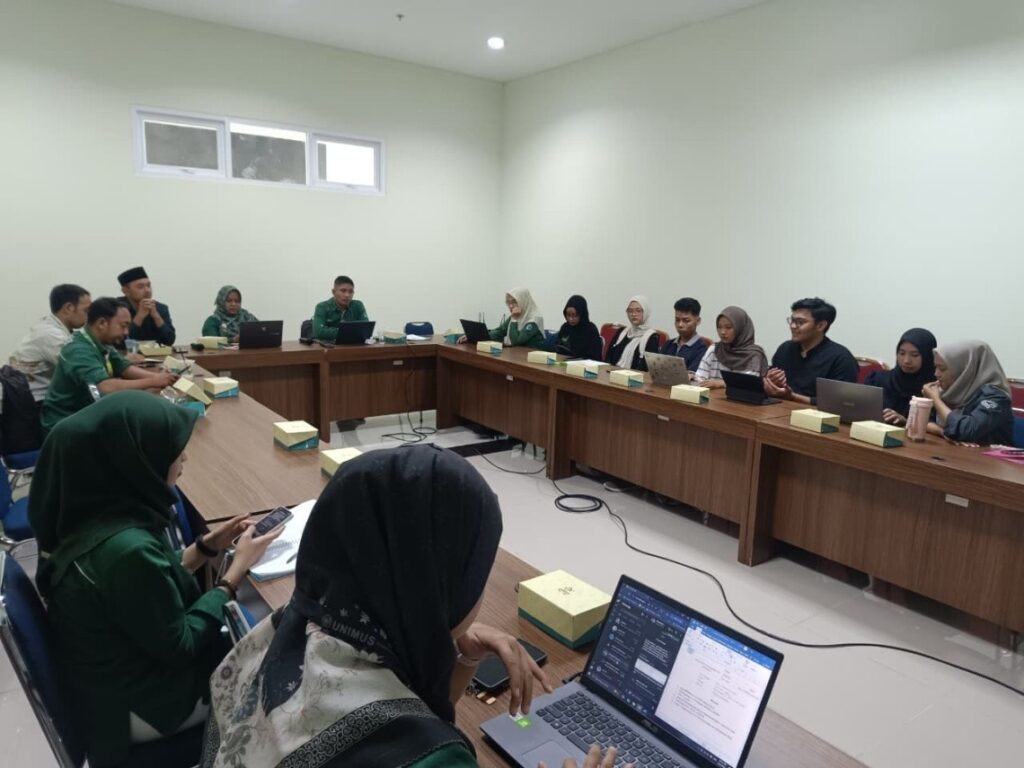
In addition, the discussion was also focused on the preparation and strengthening of the content of the MASTA PMB material, so that the material presented was not only informative but also educational, inspiring, and relevant to the needs of new students. The material designed is expected to be able to equip students with an understanding of campus life, academic values, character, and an introduction to student organizations. Various inputs for the improvement of the MASTA 2025 Policy Decree & Guidelines related to the material are more condensed so that the study can be more focused, in addition to some of the material needed by students, namely those related to the addition of Achievement type materials, Belmawa Program
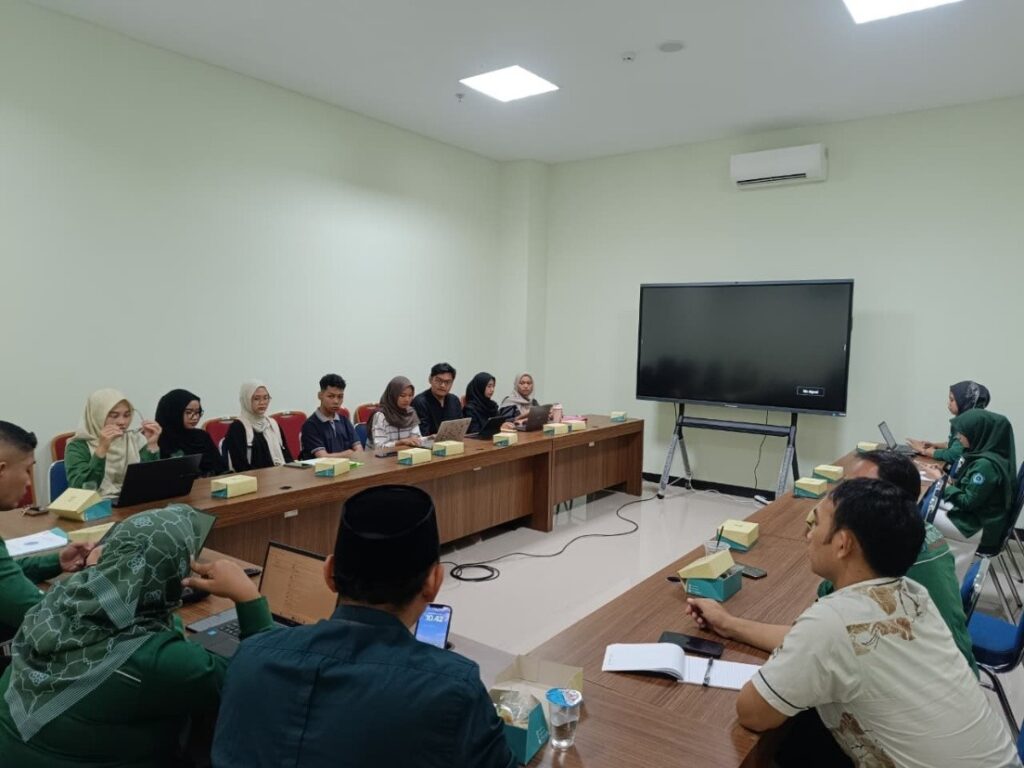
Through this activity, it is hoped that MASTA 2025 policies and guidelines will be created that are more comprehensive, inclusive, and in accordance with the principles of student development, so that its implementation can run in a directed, educative, and initial experience for new students.
2. The Focus Group Discussion (FGD) activity was held as a space for critical dialogue between student leaders and representatives of the University’s Student Executive Board (BEM) and the Faculty’s BEM in order to review and criticize the guidelines for oration activities and student actions in the Central Java region. This activity is an important forum to harmonize understanding related to the implementation of responsible freedom of opinion, while ensuring that every student activity remains within the corridor of applicable rules.
In an atmosphere of open and constructive discussion, the participants actively conveyed their views, criticisms, and inputs on the content of the existing guidelines. The discussion focused on the clarity of regulations, procedures for implementing actions, aspects of security and order, and the protection of students’ rights in expressing their aspirations in the public space.
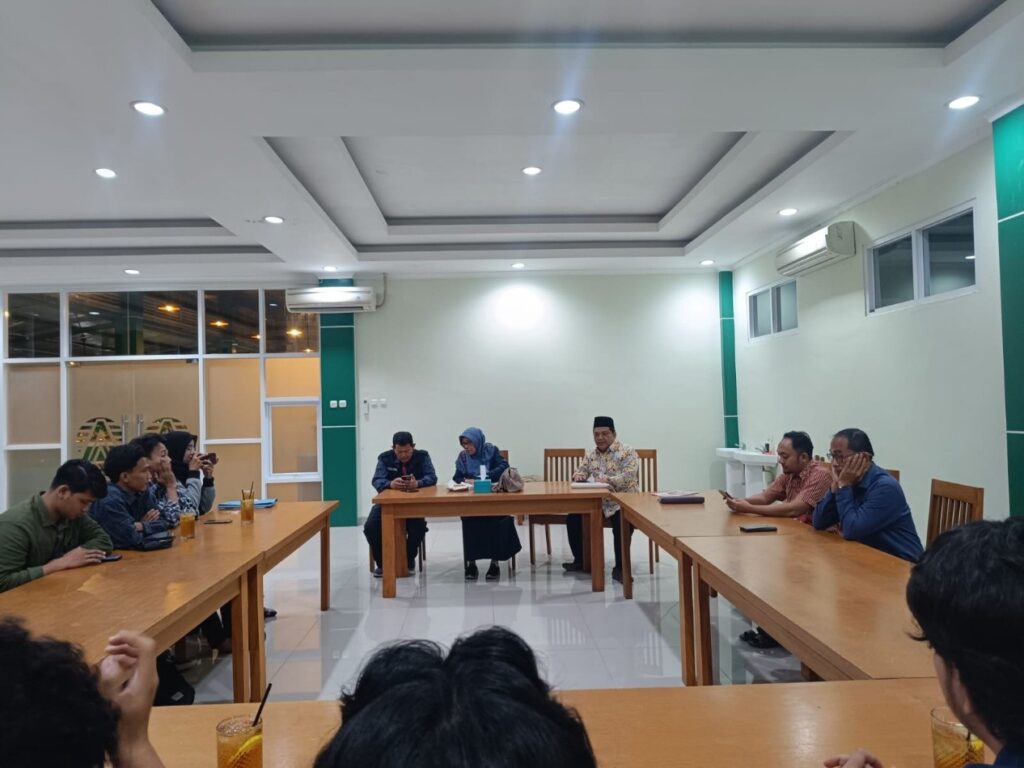
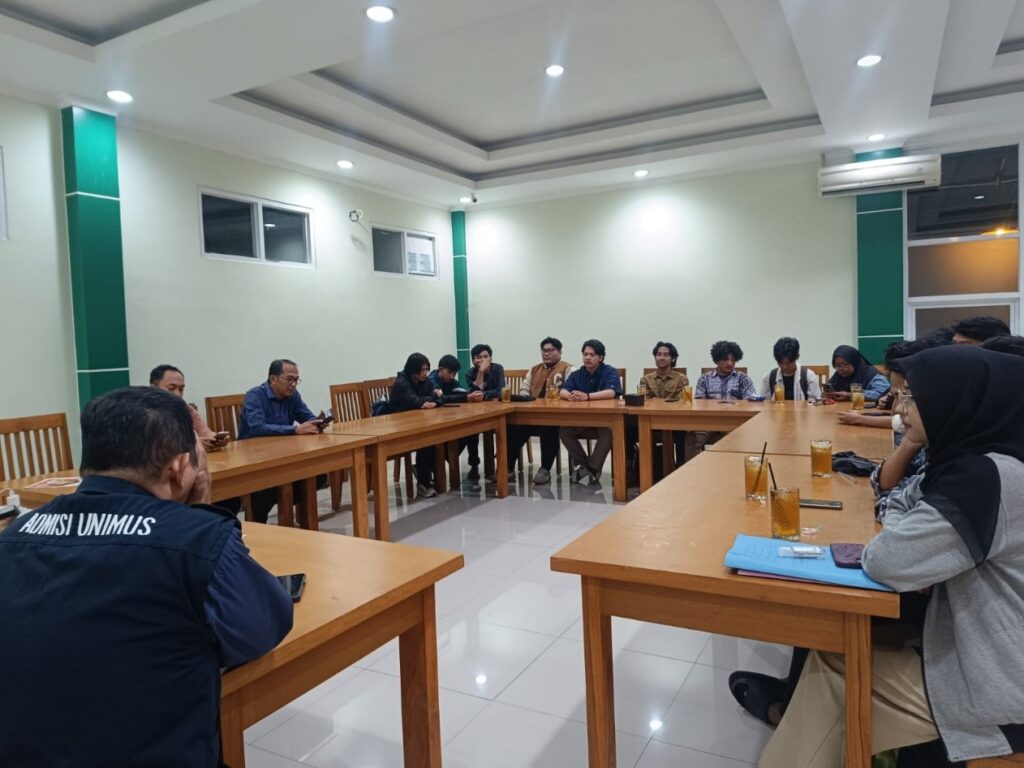
Representatives of the University BEM and the Faculty BEM emphasized the importance of guidelines that are not only normative, but also adaptive to the dynamics of student movements and social conditions in the field. Meanwhile, the student leaders emphasized the importance of maintaining ethics, safety, and institutional image in every oration and action activity.
Through this FGD, it is hoped that a more comprehensive, clear, and implementable guide for student oration and action activities can be produced. The results of this discussion are also a strategic step in building synergy between students and institutions, so that freedom of expression can run in harmony with social responsibility and applicable legal provisions.
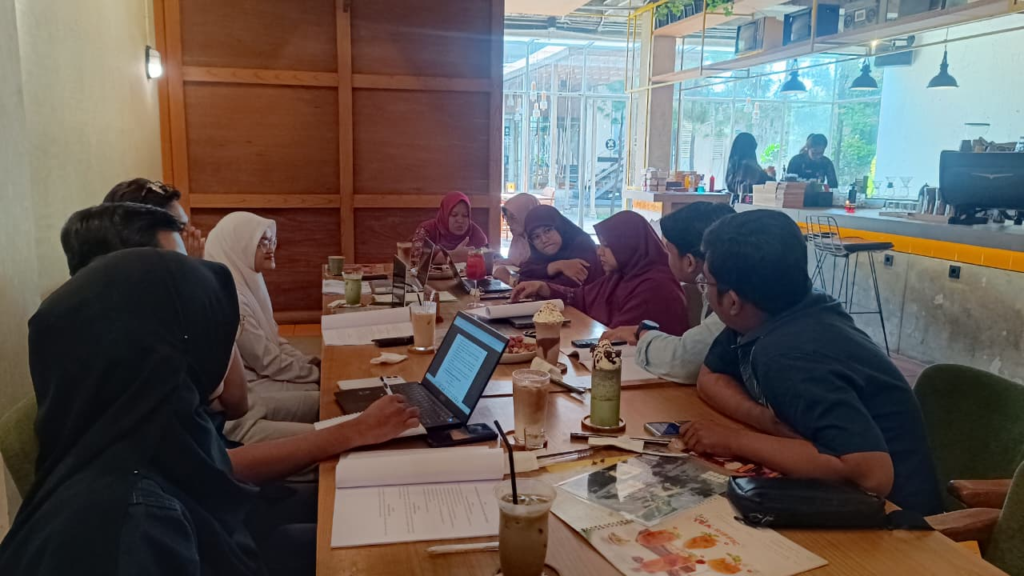
3. The Focus Group Discussion (FGD) activity was held as a strategic forum between student leaders and representatives of Student Organizations (Ormawa) in order to discuss policies and the preparation of the Student Organization Governance Guidebook which is in line with the provisions of the Muhammadiyah Central Leadership Guidelines (PP). This activity aims to ensure that the governance system of Ormawa in the university environment runs in an orderly, accountable, and in accordance with the values and principles of the Muhammadiyah organization.
In its implementation, the FGD takes place in a participatory manner by involving various elements of Ormawa as the main stakeholders. The discussion focused on strengthening institutional aspects, clarity of organizational structure, work mechanisms, administrative systems, and effective and sustainable governance of work programs. In addition, the discussion also included adjusting the internal rules of the student organization to remain in line with institutional regulations and official guidelines from the Muhammadiyah Central Government.
The participants of the FGD actively provided input, criticism, and constructive suggestions to improve the policies and content of the Guidebook that is being drafted. This is an important step in building a student organization system that is professional, transparent, and with integrity, while being able to support the development of soft skills and student leadership.
Through this activity, it is hoped that policies and Student Organization Governance Guidelines can be produced that are comprehensive, applicative, and based on Islamic and Muhammadiyah values. Thus, Ormawa is expected to play a more optimal role as a forum for character development, leadership, and students’ real contributions to society.
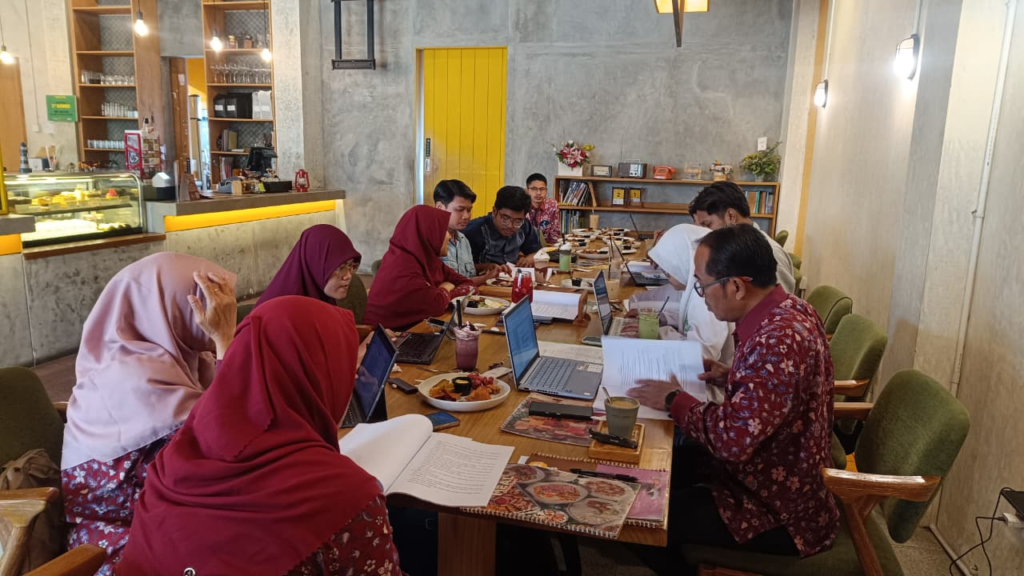
4. The Focus Group Discussion (FGD) activity was held as a strategic forum in order to discuss the implementation of the Student General Election (Pemira), especially related to the mechanism for electing the Chairman of the Student Executive Board (BEM) and the Chairman of the Student Senate (SEMA), Muhammadiyah Student Association (IMM). This activity involves student leaders and representatives of student organizations as an effort to ensure that the campus democratic process runs in a transparent, fair, and accountable manner.
In an atmosphere of participatory discussion, the FGD participants examined various important aspects in the implementation of Pemira, ranging from regulations, election stages, nomination systems, campaigns, to voting and vote counting techniques. In addition, the discussion also highlighted the importance of the integrity of the organizers, the neutrality of related parties, and the strengthening of the supervision system to minimize potential violations.
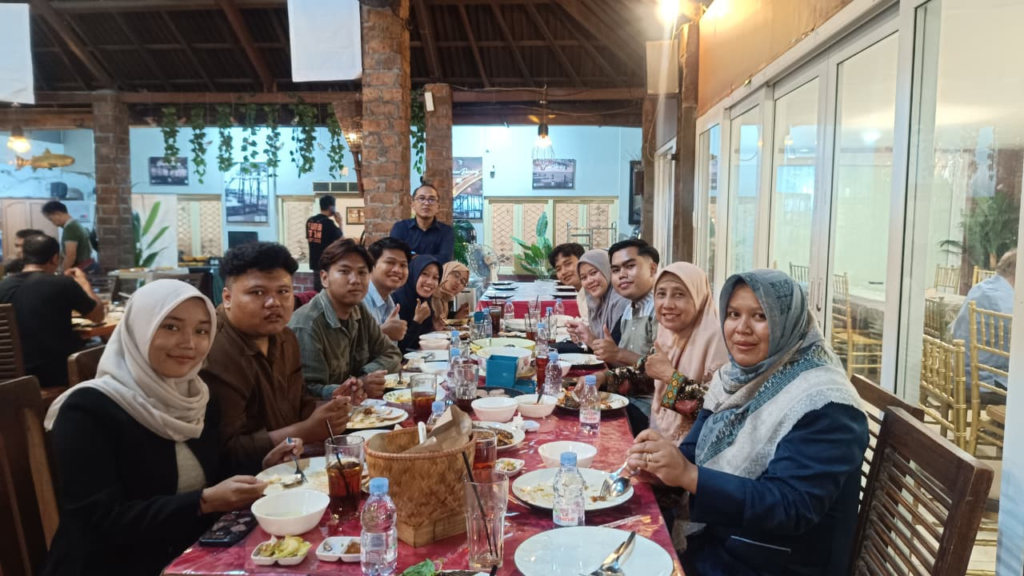
Student representatives also provided input related to innovations in the implementation of Pemira that are more adaptive, such as the use of digital technology in the election process, increasing student participation, and drafting clearer and more implementable rules. Meanwhile, the student body emphasized the importance of upholding democratic values, organizational ethics, and responsibility in every stage of the election.
Through this FGD activity, it is hoped that a more comprehensive and quality formulation of policies and guidelines for the implementation of Pemira can be produced, so that the process of electing the Chairman of BEM and the Chairman of SEMA can take place democratically, in an orderly manner, and produce student leaders with integrity and are able to bring student aspirations constructively.
Student Engagement and Leadership through UNIMUS Student Union
UNIMUS promotes student engagement and leadership through its Student Union, which acts as a bridge between students and institutional governance. The organization supports initiatives related to education, social responsibility, and sustainability, contributing directly to the achievement of the Sustainable Development Goals (SDGs), particularly in fostering inclusive participation and youth empowerment.
1. Student Executive Board
2. Student Representative Council
Jl. Kedungmundu Raya No. 18, Kec. Tembalang, Kota Semarang, Jawa Tengah.
(024) 76740296
Copyright 2025, UNIVERSITAS MUHAMMADIYAH SEMARANG. All Rights Reserved.