
Semarang – The Student Executive Board (BEM KM) of Universitas Muhammadiyah Semarang (UNIMUS) carried out a community service program in Tambak Mulyo, Tambak Lorok area, Tanjung Mas Subdistrict, North Semarang, Semarang City. The program ran for four days, from 26 to 29 June 2025.
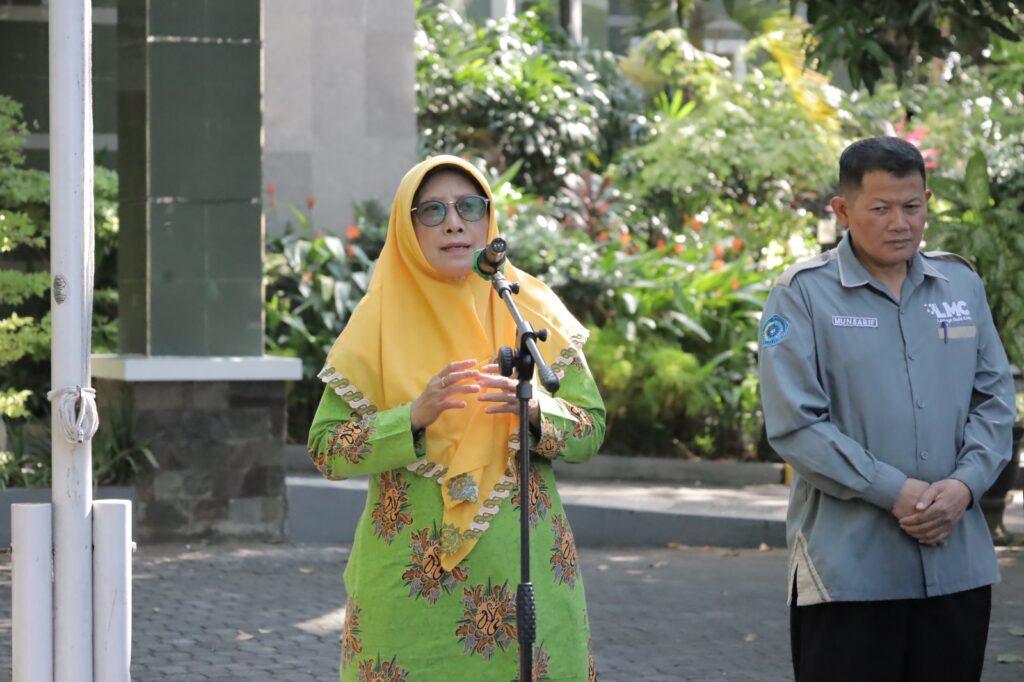
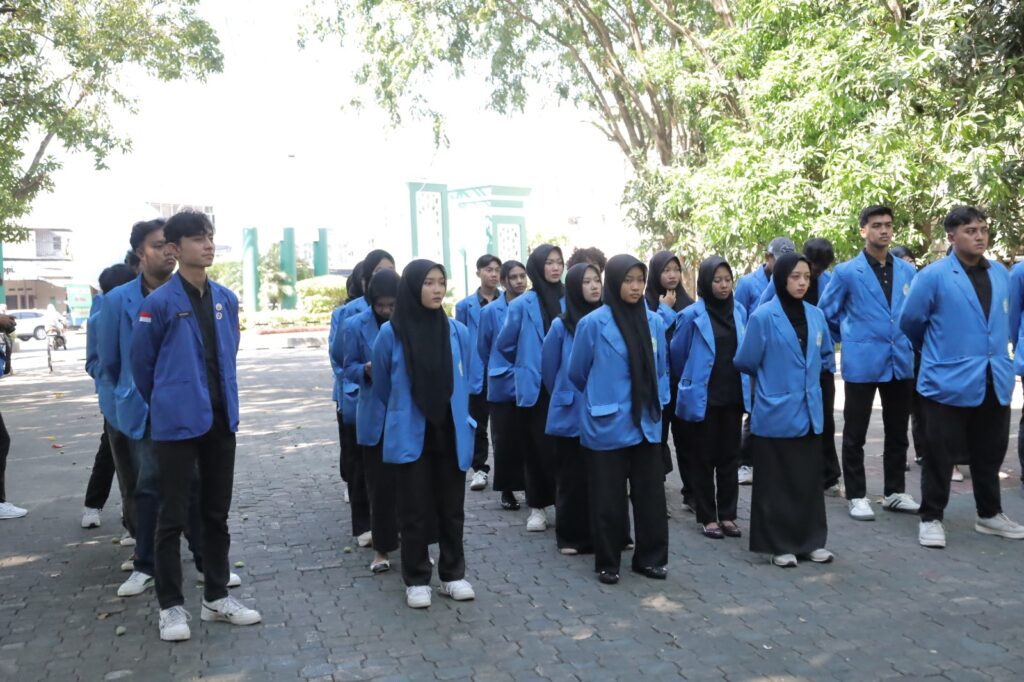
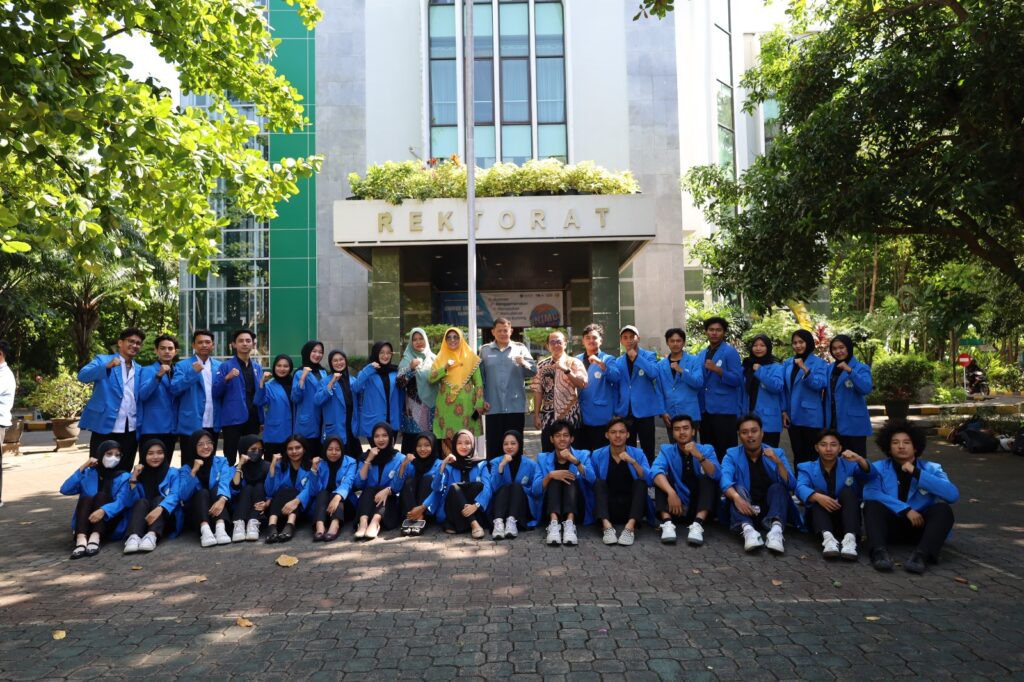
The program began with a send-off ceremony led by Vice Rector III Dr. Eny Winaryati, M.Pd., accompanied by the Head of the Student Affairs Bureau, Dr. Fitria F., M.Pd., and other UNIMUS leaders. Held on Thursday, 26 June 2025, in front of the UNIMUS Rectorate, the ceremony was attended by all BEM KM members and representatives of UNIMUS student organizations.
In her remarks, Dr. Eny Winaryati praised BEM KM’s initiative. She hoped the community service would give students the opportunity to help solve problems faced by the community, particularly in health and in dealing with the tidal flooding (rob) that frequently affects the area.
“Through this activity, I hope students will prepare themselves to face various problems in society and become role models in their surroundings. This does not happen overnight but is shaped by everyday habits,” she said.
Dr. Eny also stressed the importance of creative, proactive and strategic thinking in finding solutions to problems, even beyond one’s formal duties. She encouraged students to keep building collaboration for shared benefit.
“Students must also take care of themselves and not neglect their worship, because that is one of the hallmarks of Muhammadiyah that we need to show the wider public: that UNIMUS students have a character in line with the university’s vision,” she added.
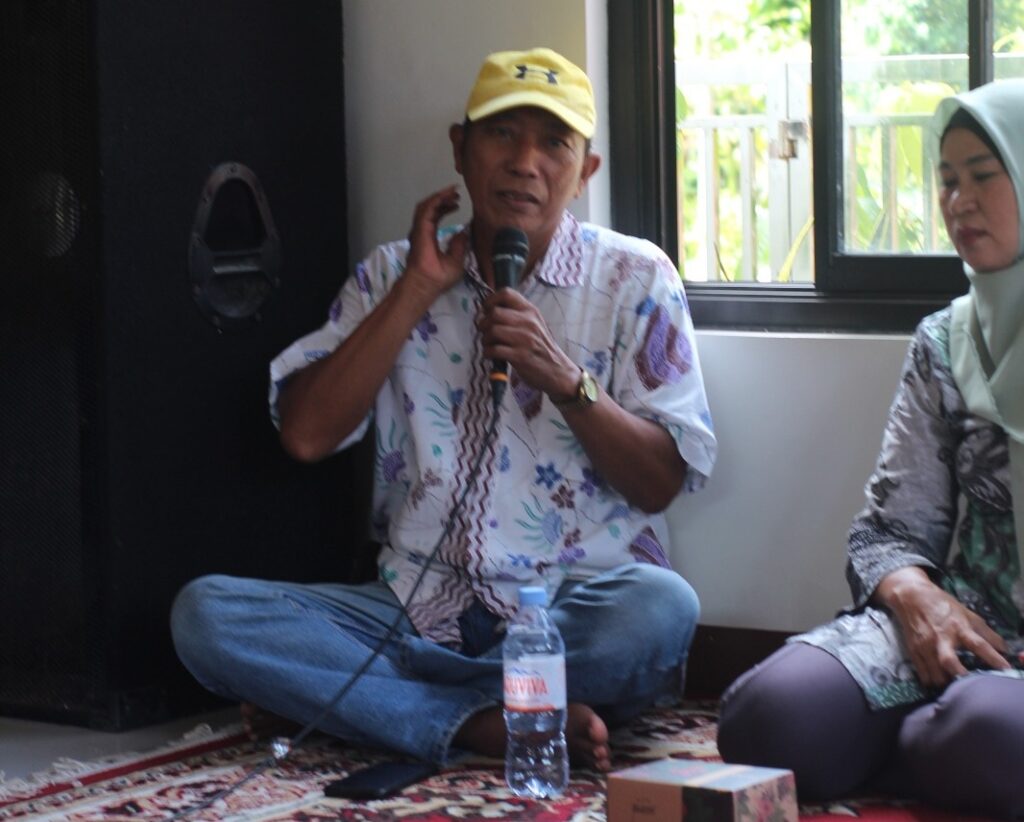
After the send-off, the program was officially opened at the Tambak Mulyo community hall by the head of neighborhood unit RW 15, Slamet Riyanto. The program is expected to build close synergy between students and the community.
On the second day, the community service team held an awareness session, led by the Social and Environmental Division, on maggot farming and hydroponic plants. Starting at 8:00 a.m., the session introduced environmentally friendly organic waste management using maggots and taught soilless farming skills. The material was delivered by Jodie Artha Kusuma and Dr. Nur Muttaqien Zuhri, S.Pi., M.Si.
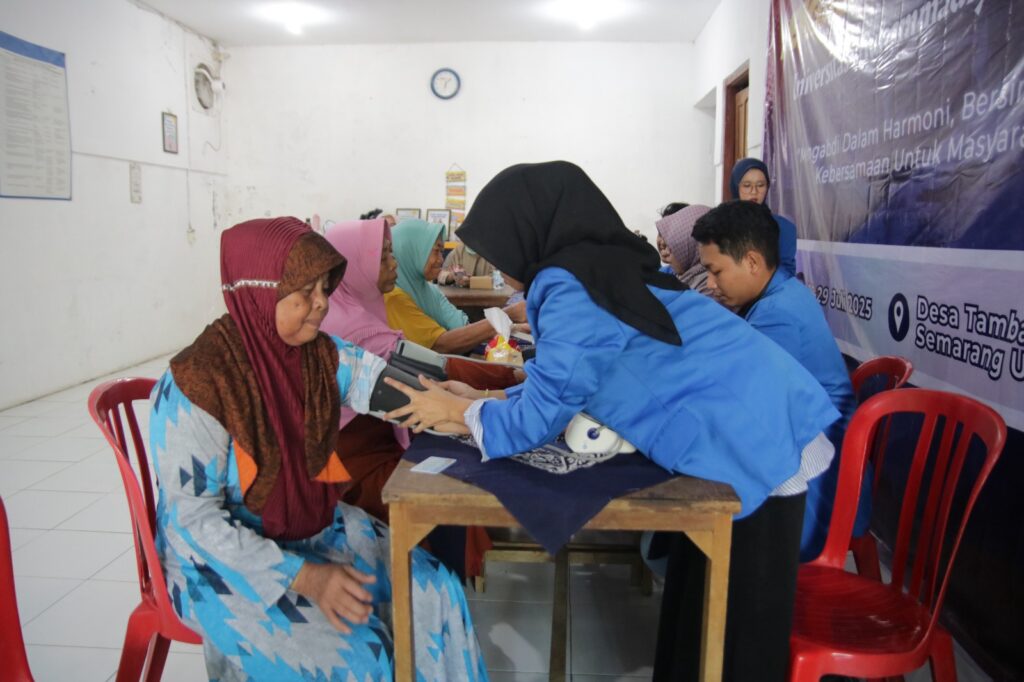
The third day had three main agendas. First, the Health Team provided health education and check-ups for older adults at the Bandarharjo integrated health post (Posyandu) and distributed basic food packages. The education focused on clean and healthy living behavior (PHBS).
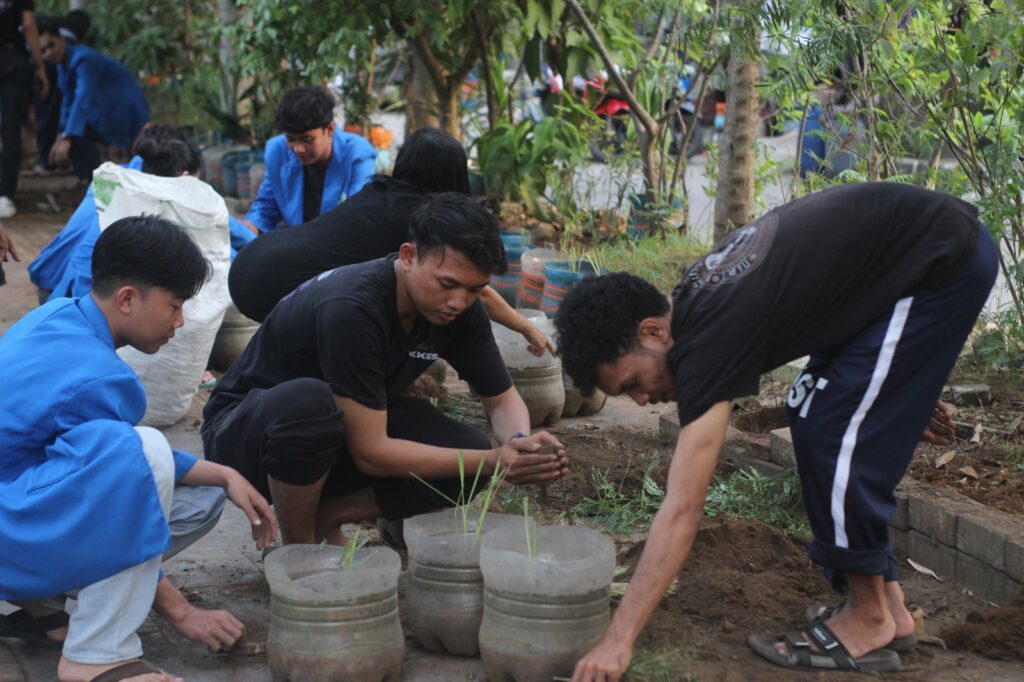
Next, the Social and Environmental Division built hydroponic terraces and cleaned the greenhouse in RW 15, as a sustainable farming solution for limited land and to support environmental conservation.
In the afternoon, the Education Division held a session on waste management for children, along with a hands-on activity recycling clamshells into keychains, to raise environmental awareness and children’s creativity in using waste.
On the final day, the Economics and Entrepreneurship Division held a session on Halal Certification and Food Product Legality, delivered by Dr. Agus Suryanto, S.T.P., M.Si., a lecturer in the UNIMUS Food Technology Undergraduate Program. Participants also learned how to obtain home-industry food production permits (PIRT). The session is expected to strengthen the empowerment of micro, small and medium enterprises in the area. Meanwhile, the Social and Environmental Division cleaned the greenhouse again to maintain good air circulation for the plants.
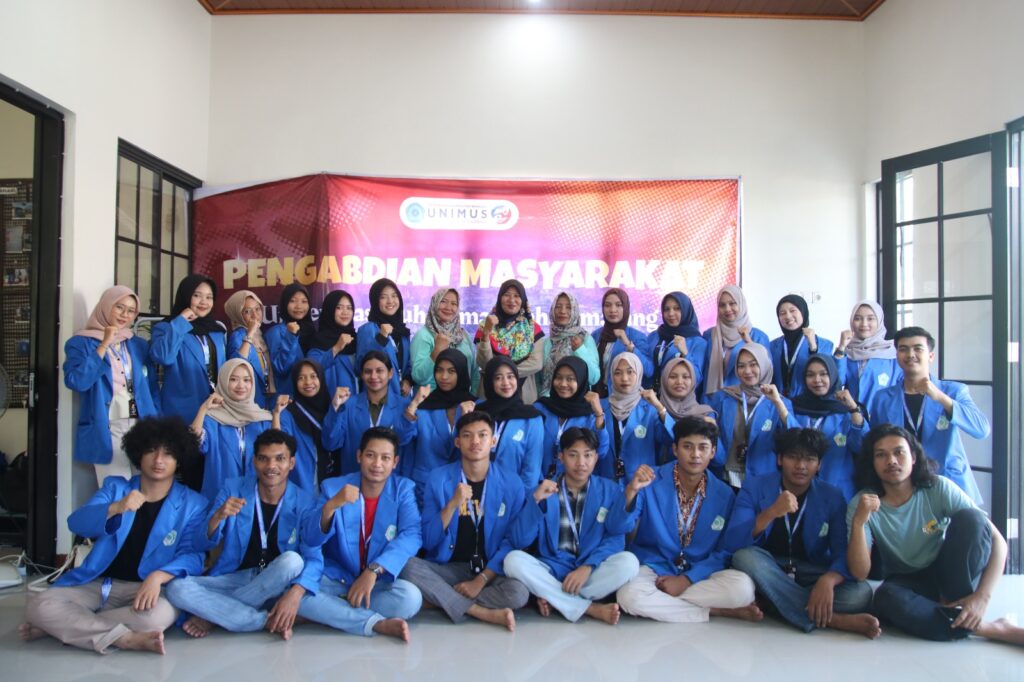
The program closed with gratitude for the experience and lessons gained and a group photo session.
Originally published in Indonesian on unimus.ac.id.