

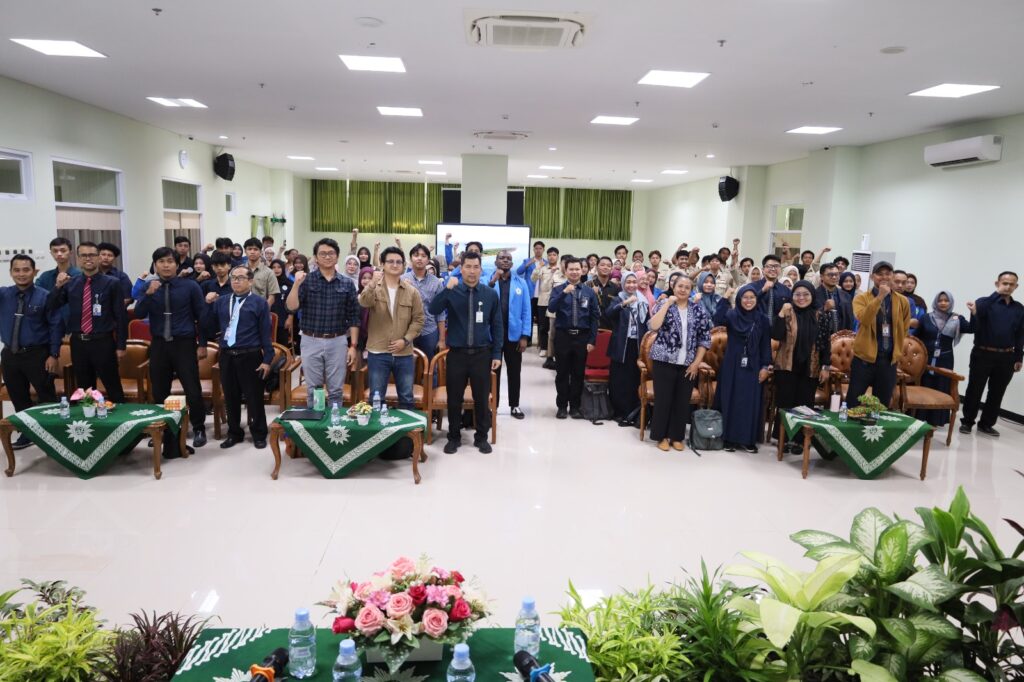
Semarang | The Bachelor of Marine Science and Bachelor of Statistics Study Programs of the Faculty of Agricultural Science and Technology (FSTP) at Universitas Muhammadiyah Semarang (Unimus) held an international public lecture featuring experts from Universiti Malaysia Terengganu and Universitas Diponegoro. The event was part of the International Guest Lecturer 2026 series and focused on using scientific data and advanced technology to conserve marine biodiversity.
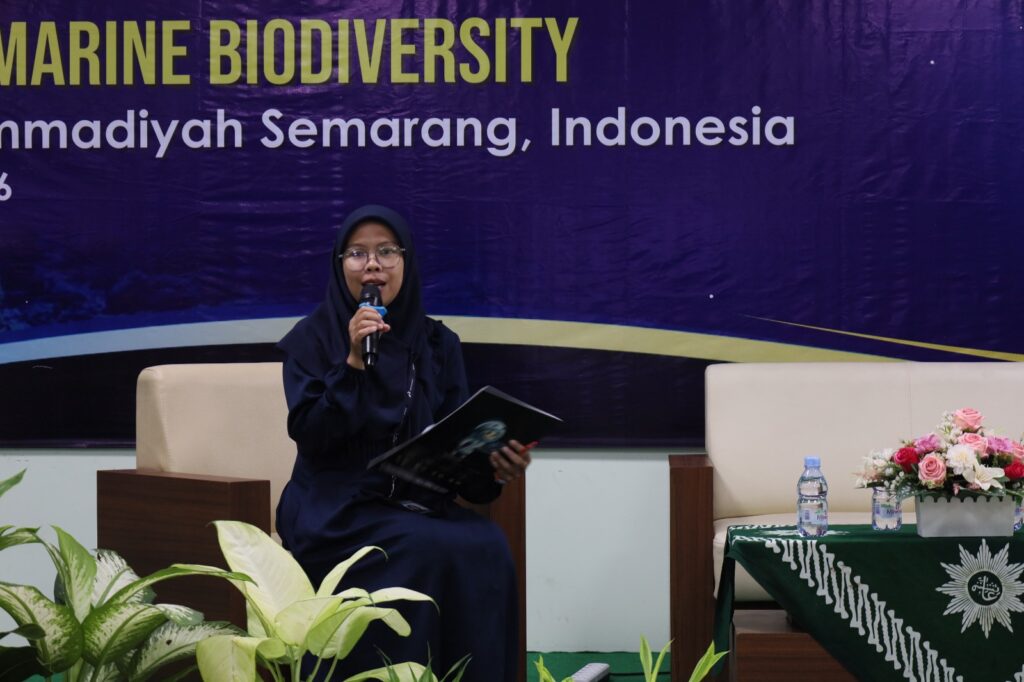
Unimus Marine Science lecturer Angka Mahardini, PhD, explained that the academic forum aimed to broaden the academic community’s understanding of the challenges currently facing the marine sector. She said technological development and data-driven approaches are key to understanding and protecting increasingly complex marine ecosystems.
Besides being a platform for exchanging knowledge, the event is also part of a cross-institutional collaboration between Unimus, the Faculty of Science and Mathematics of Universitas Diponegoro and the National University of Singapore on a marine biodiversity monitoring program. Through this collaboration, researchers will carry out systematic, ongoing observation, measurement and recording of marine species and ecosystems.
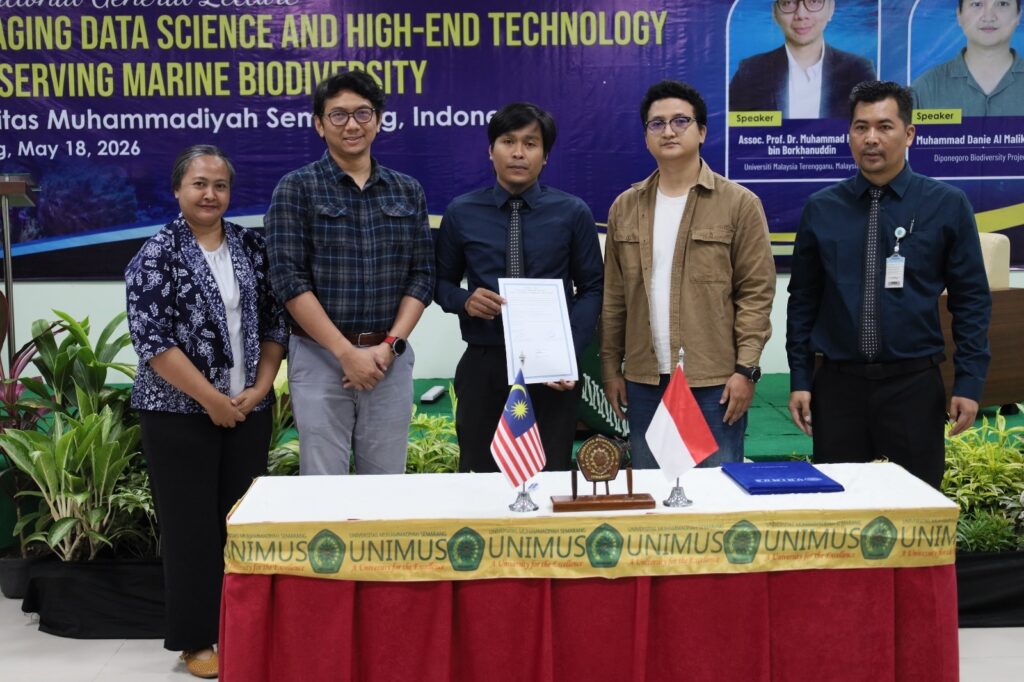
The monitoring is expected to produce an integrated database that will support conservation policies and the sustainability of marine resources. Unimus remains the main custodian of the research data, particularly for biodiversity studies in the Karimunjawa Islands, Jepara.
The Dean of FSTP Unimus, Dr. Nurhidajah, expressed full support for the global academic forum. She hoped it would have a positive impact on lecturers and students and contribute to the development of marine science and technology.
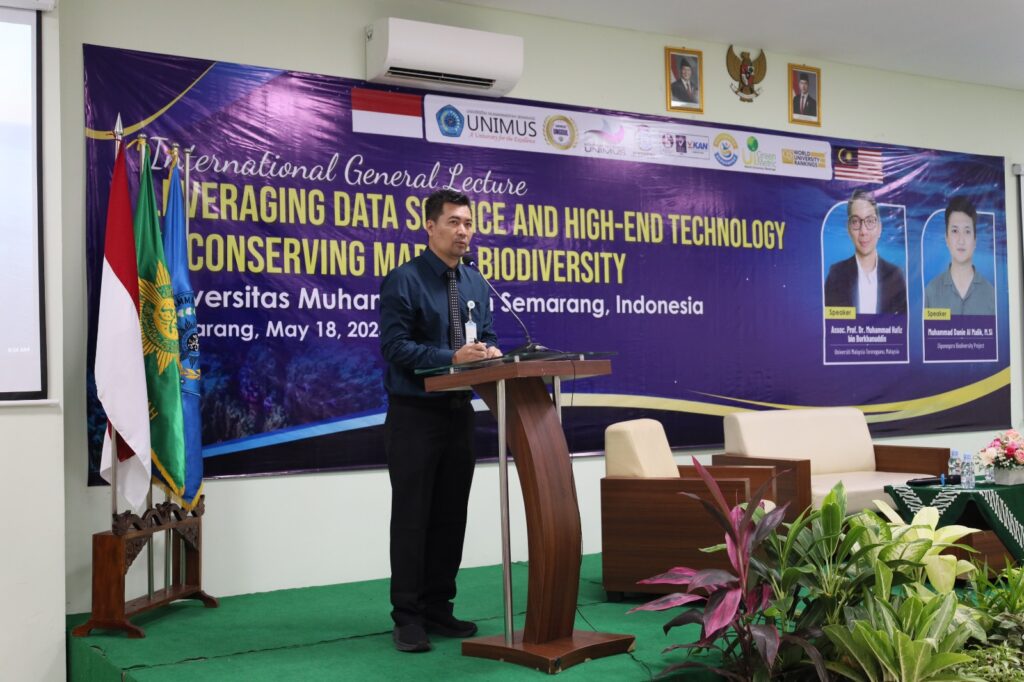
Vice Rector IV Muhammad Yusuf, S.STPi., M.Si., Ph.D., also voiced his support when opening the event, expressing appreciation to the Marine Science and Statistics Study Programs for initiating the international forum.
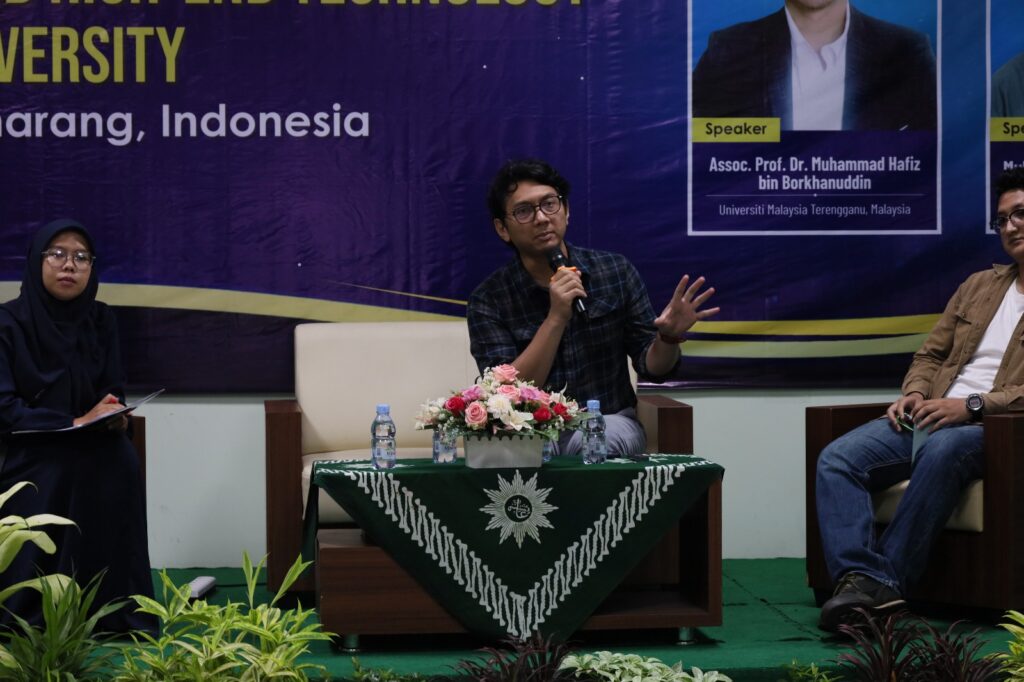
In the lecture, Assoc. Prof. Dr. Muhammad Hafiz Bin Borkhanuddin of Universiti Malaysia Terengganu emphasized the importance of recording marine biodiversity, especially in Indonesia, which is known for its abundant marine resources. He said accurate data is essential to support the sustainable use of marine resources, including the development of the blue economy.
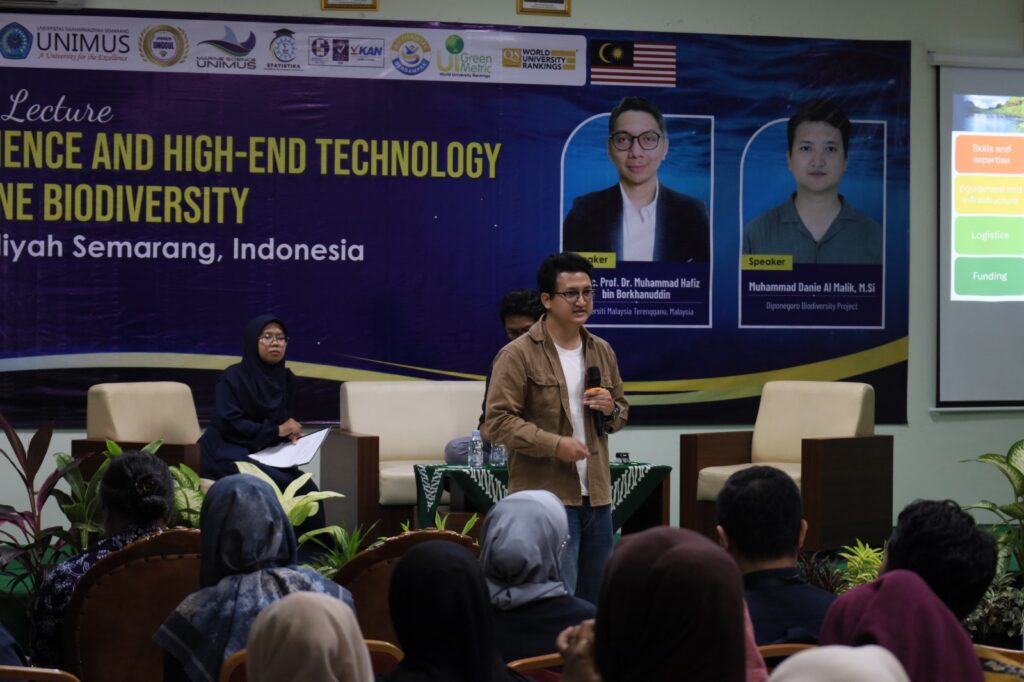
Researcher Muhammad Danie Al Malik, S.Si., M.Si., of Universitas Diponegoro highlighted the urgency of applying modern methods to biodiversity recording, including environmental DNA (eDNA). This method can produce faster and more accurate data and cover wide areas without damaging the environment.
With its vast marine wealth, Indonesia needs more innovative and sustainable data collection systems. Technologies such as eDNA are a strategic solution for revealing more of the country’s marine biodiversity potential.