
South Tangerang | Monday, 22 June 2026 – Universitas Muhammadiyah Semarang (Unimus) demonstrated its commitment to sustainable development by attending the Global Sustainable Development Congress (GSDC) 2026, organized by Times Higher Education (THE) at the Indonesia Convention Exhibition (ICE) BSD, South Tangerang, on Monday (22/6). The opening ceremony began at 15.30 WIB and was attended by thousands of leaders from higher education, government, industry and international organizations, as well as students from many countries.
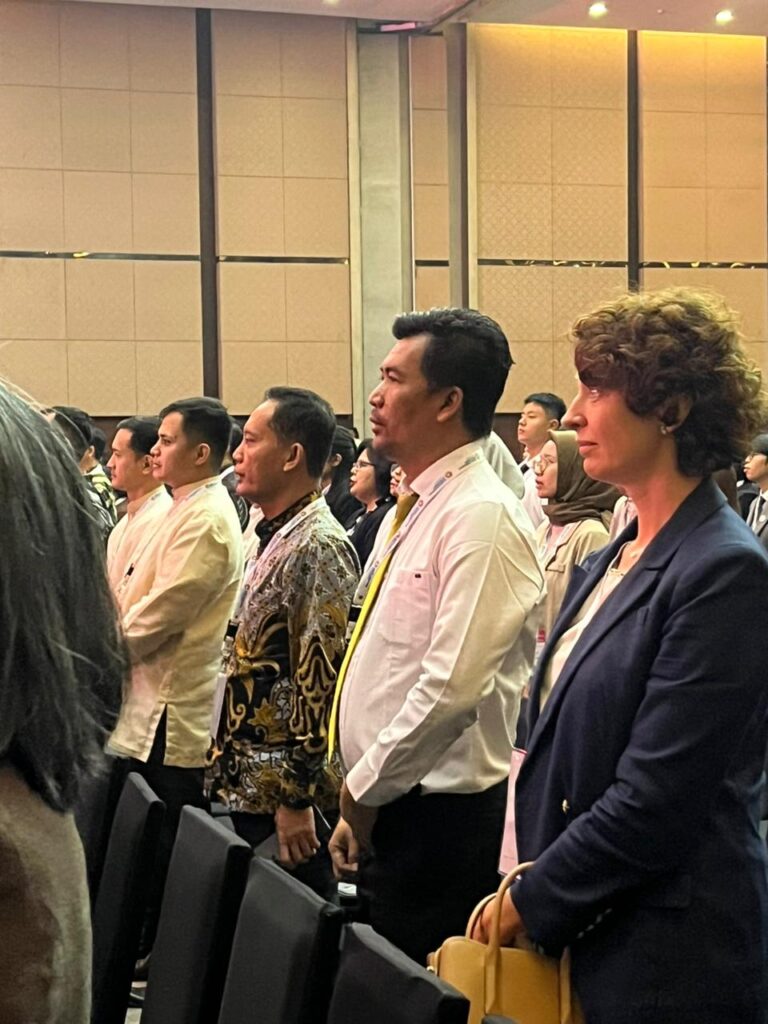
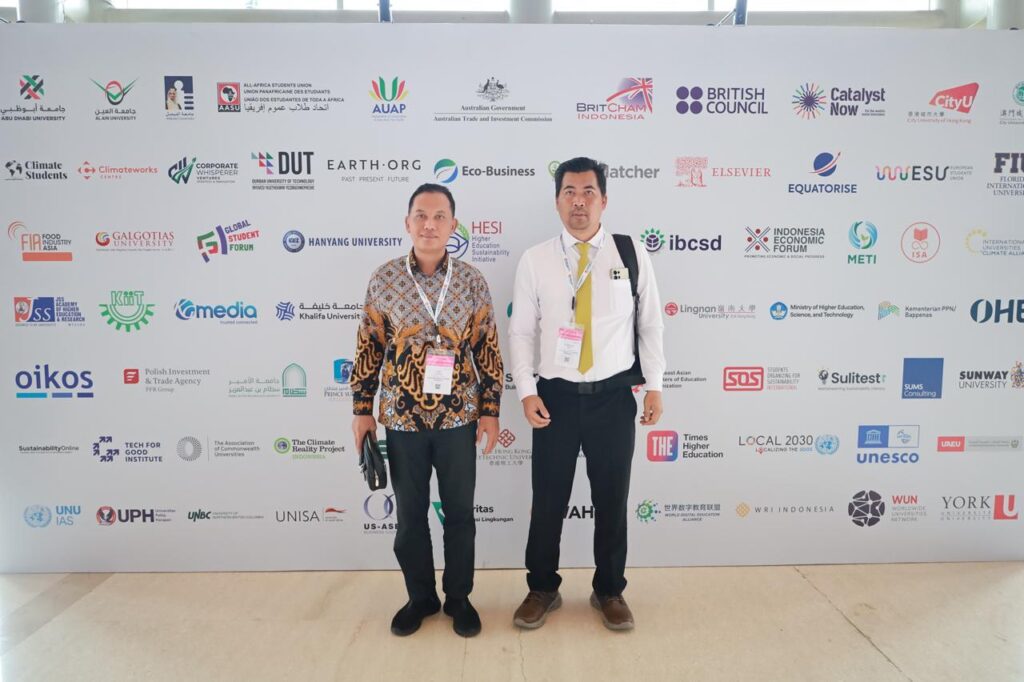
At the global forum, Unimus was represented by Vice Rector I Prof. Dr. Budi Santosa, M.Si., Med. and Vice Rector IV M. Yusuf, Ph.D. Their participation was part of efforts to expand international collaboration and strengthen the university’s contribution to achieving the Sustainable Development Goals (SDGs).
In his opening speech, Phil Baty, Chief Global Affairs Officer of Times Higher Education (THE), stressed the importance of imagination in meeting the world’s sustainable development challenges.
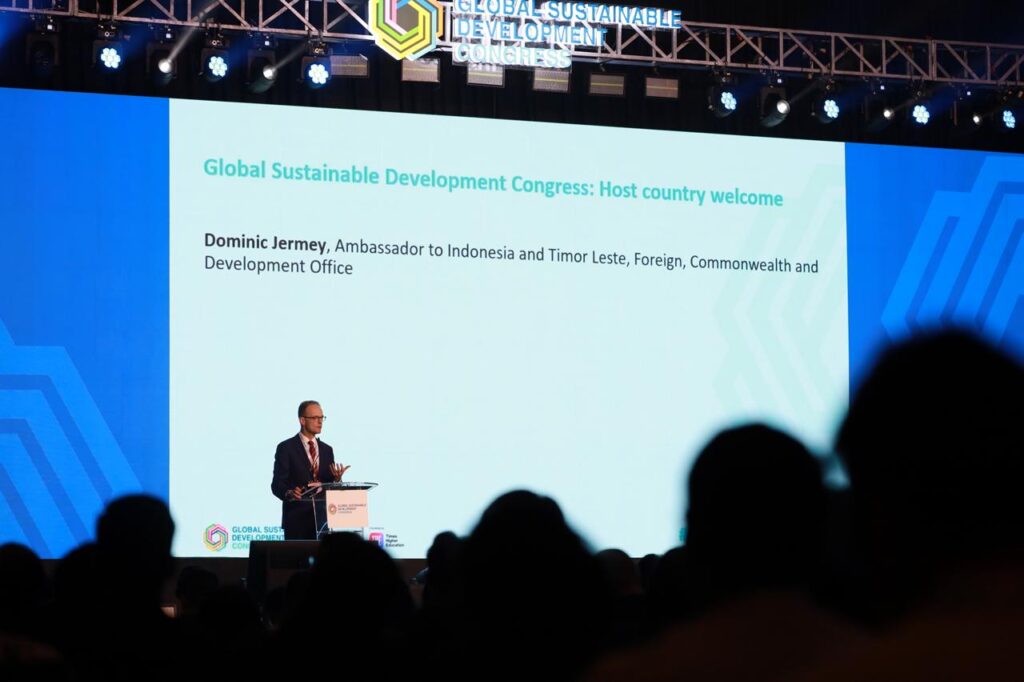
“Change does not start from the world as it is, but from the world as we can imagine it. The climate crisis is not only an environmental crisis but also a crisis of imagination,” he said.
Phil Baty explained that more than 1,600 universities worldwide now belong to the THE Sustainability Impact Network, the largest network of universities focused on sustainability. He said universities play an important role in producing innovation, research and real solutions to support the 17 SDGs.
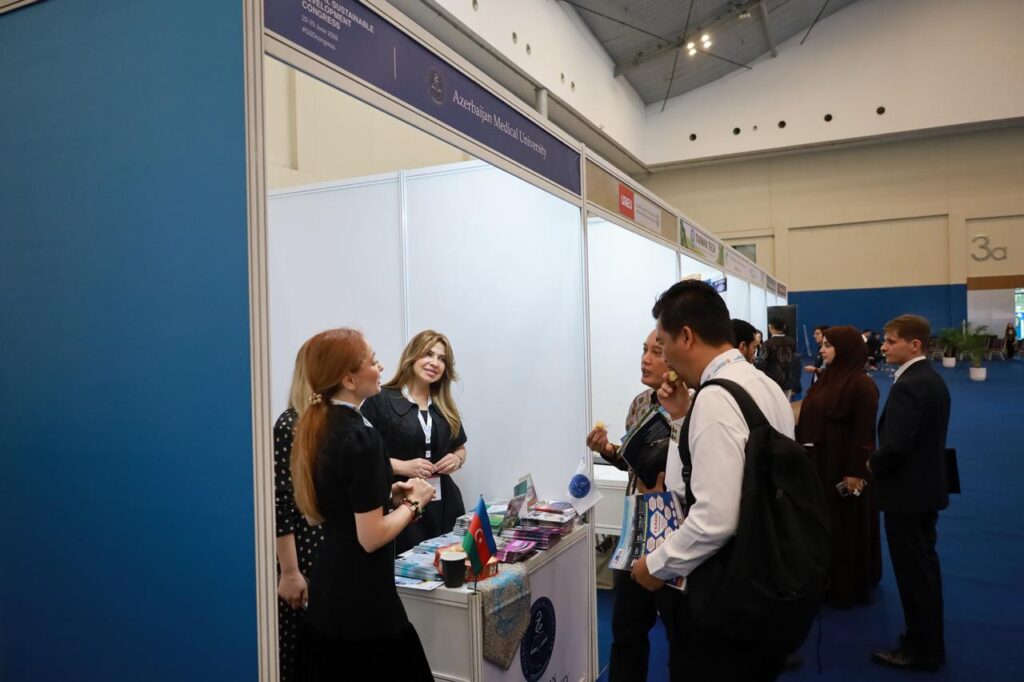
Dominic Jermey, British Ambassador to Indonesia and Timor-Leste from the Foreign, Commonwealth and Development Office (FCDO), stressed that sustainable development can only be achieved through cross-sector collaboration.
“The transition to a sustainable future cannot be achieved by governments alone, or by business and academia separately. The future will be built through collaboration between education, government, industry and society,” he said.
He also highlighted the importance of education in preparing young people for the green economy, including through stronger skills, innovation and research that support sustainable development.
On the same occasion, Leonardo Adypurnama Teguh Sambodo, Ph.D., Deputy for Food, Natural Resources and Environment at the Ministry of National Development Planning/Bappenas, warned that the world faces increasingly complex sustainability challenges.
“Sustainability can no longer be seen as an optional extra in policy. It must be the main foundation of every long-term development strategy,” he said.
Leonardo explained that, according to the latest global report, only about 18 percent of the world’s SDG targets are currently on track to be met by 2030. Indonesia, however, is showing positive progress, with around 62.7 percent of national SDG indicators having met their targets or showing significant progress.
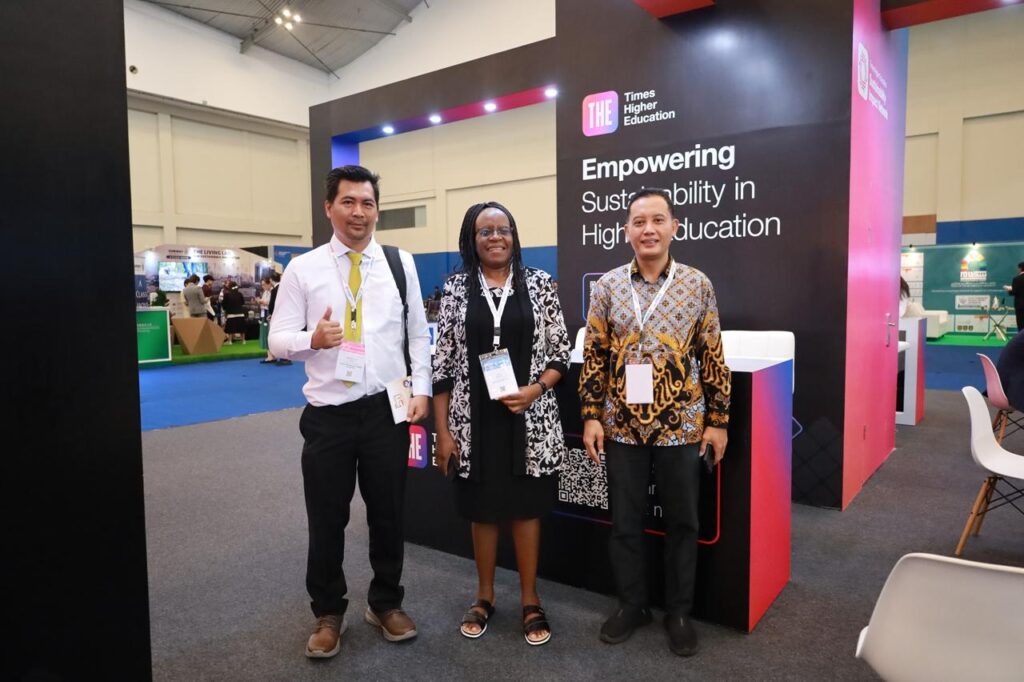
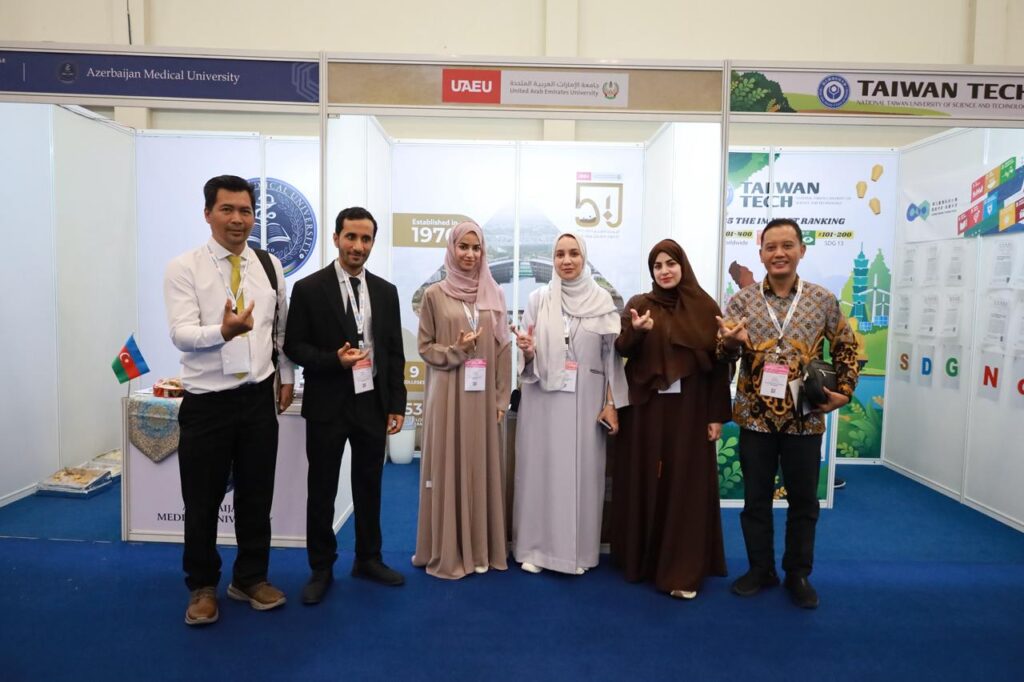
Through its participation in GSDC 2026, Unimus strengthened its internationalization and expanded its strategic network with institutions around the world. The activity is in line with Unimus’ commitment to supporting the sustainable development agenda through education, research, community service and sustainability-oriented campus governance.
Unimus’ participation in this global forum is also part of efforts to increase the university’s contribution to future challenges and to strengthen its position as a campus that actively supports the SDGs nationally and internationally.