
Semarang | Universitas Muhammadiyah Semarang (UNIMUS) continues to show its commitment to an inclusive and welcoming learning environment for all students. This was demonstrated through an Inclusive Campus Internalization and Disability Services Training, organized by the Bureau of Student Affairs and Alumni (BKA) in cooperation with the Bureau of Academic Administration (BAA) on Wednesday (22/7/2026) in the Smart Class of the UNIMUS Faculty of Medicine.
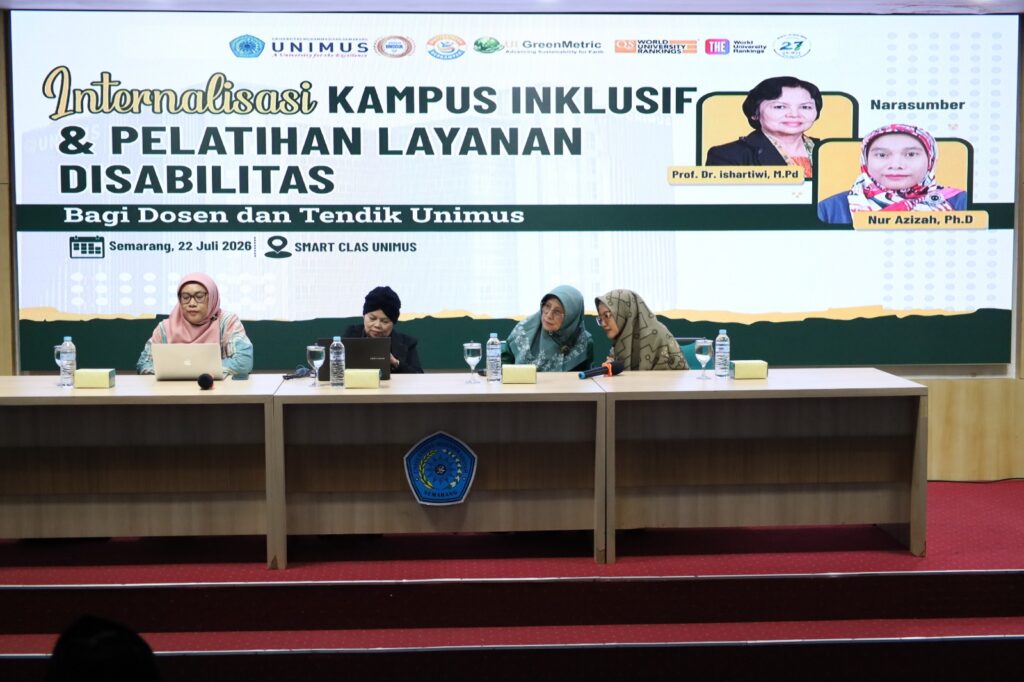
The event was attended by UNIMUS Vice Rector III Dr. Eny Winaryati, M.Pd.; the Head of BKA, Fitria Fatichatul Hidaya, M.Pd.; the Head of BAA, Rosita Lihasari, S.Sos., M.Hum.; and representatives of lecturers, education staff and support staff at UNIMUS. Participants also came from other universities, including Universitas Muhammadiyah Kudus, Universitas Muhammadiyah Kendal Batang, Universitas Karya Husada Semarang and Institut Statistika Aisyiyah (ITESA) Semarang.
To deepen participants’ understanding, UNIMUS invited two experienced speakers in inclusive education: Dr. Nur Azizah, Ph.D., of the Special Education Department of the Faculty of Education at Universitas Negeri Yogyakarta, and Prof. Dr. Ishartiwi, M.Pd., Professor of Learning Technology for Children with Special Needs at Universitas Negeri Yogyakarta.
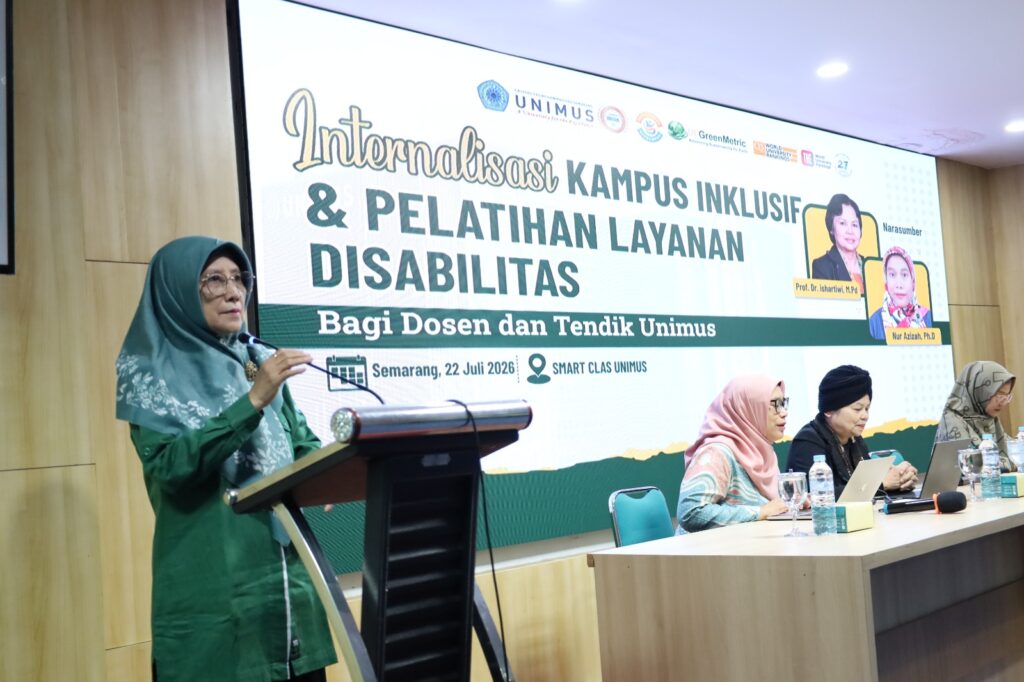
In her remarks, UNIMUS Vice Rector III Dr. Eny Winaryati, M.Pd., said UNIMUS began building an inclusive campus several years ago. The Faculty of Medicine was one of the first units to pay attention to services for people with disabilities before the university set up a more structured Disability Services Unit (ULD).
“The Disability Services Unit was further strengthened after UNIMUS received a grant to develop it. The grant shows the university’s seriousness in providing equal educational services for all students,” she said.
Eny said the Disability Services Unit now plays an increasingly strategic role. Besides helping to fulfil the rights of students with special needs, it will also be considered in university accreditation. That is why a shared understanding across the academic community is needed so that inclusive services run optimally.
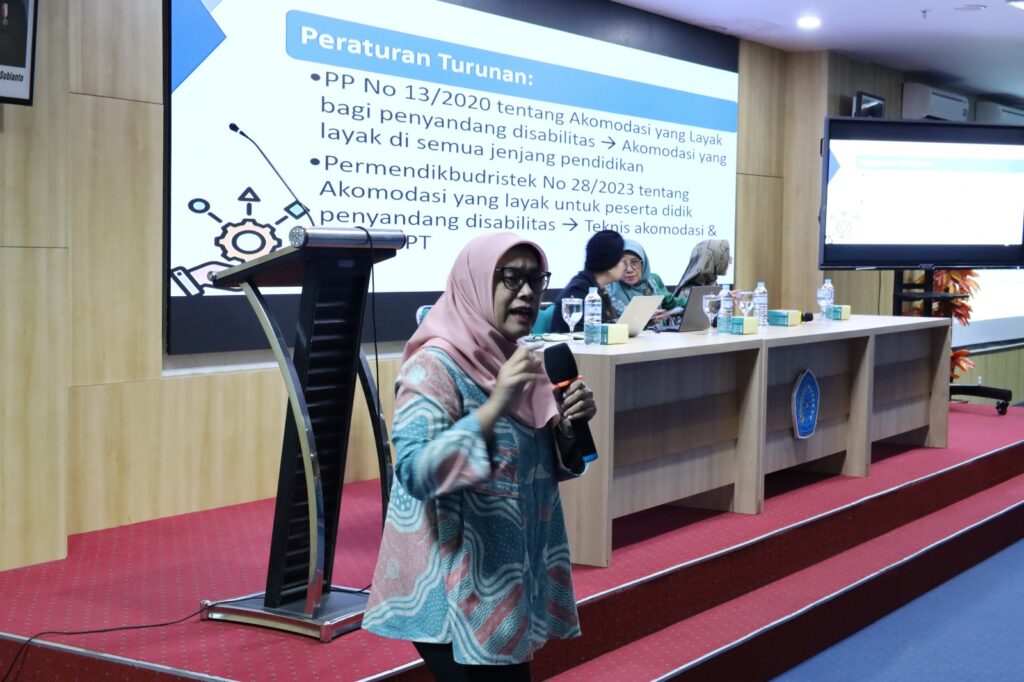
She explained that disability services are no longer only about physical access but also include support for students’ social and mental health needs. UNIMUS therefore maps needs through surveys and questionnaires so that each student receives services that match their needs.
“What we want to build is not only facilities but also the awareness of the whole academic community to create a learning environment that values diversity, is mutually supportive and gives every student equal opportunities,” she said.
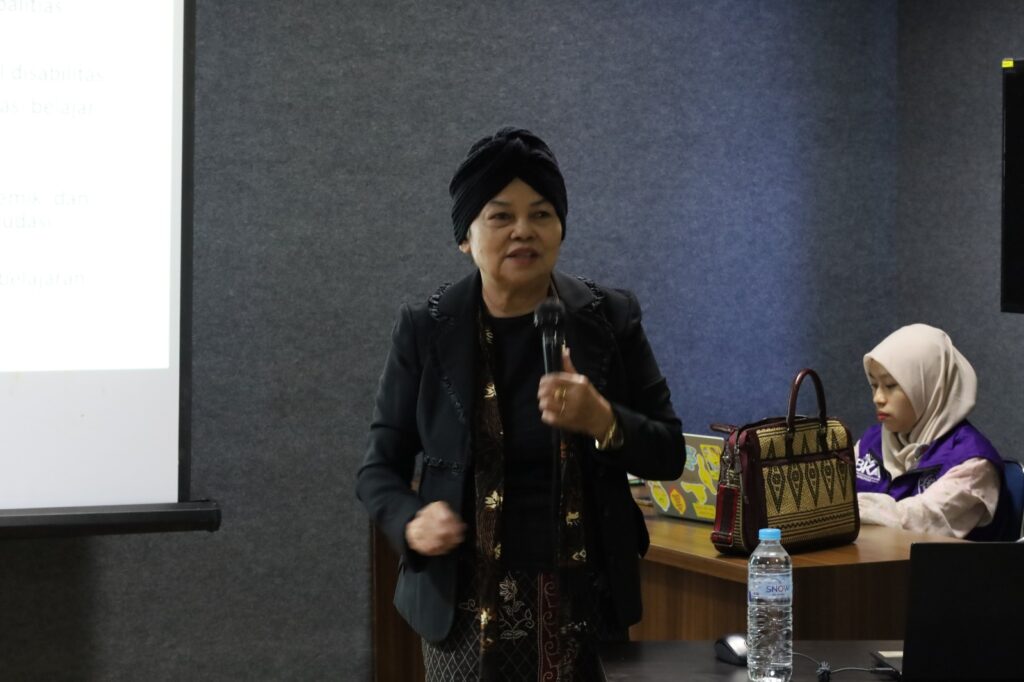
Eny added that this activity is the third program carried out under the ULD grant. Several programs have already been delivered, from drafting regulations and policies to awareness-raising, training and implementing services on campus. These efforts are beginning to show real results, with better identification of the needs of students with disabilities and better-quality services.
She added that this spirit is in line with Muhammadiyah values that uphold equal rights, care and respect for every individual regardless of background or physical condition.
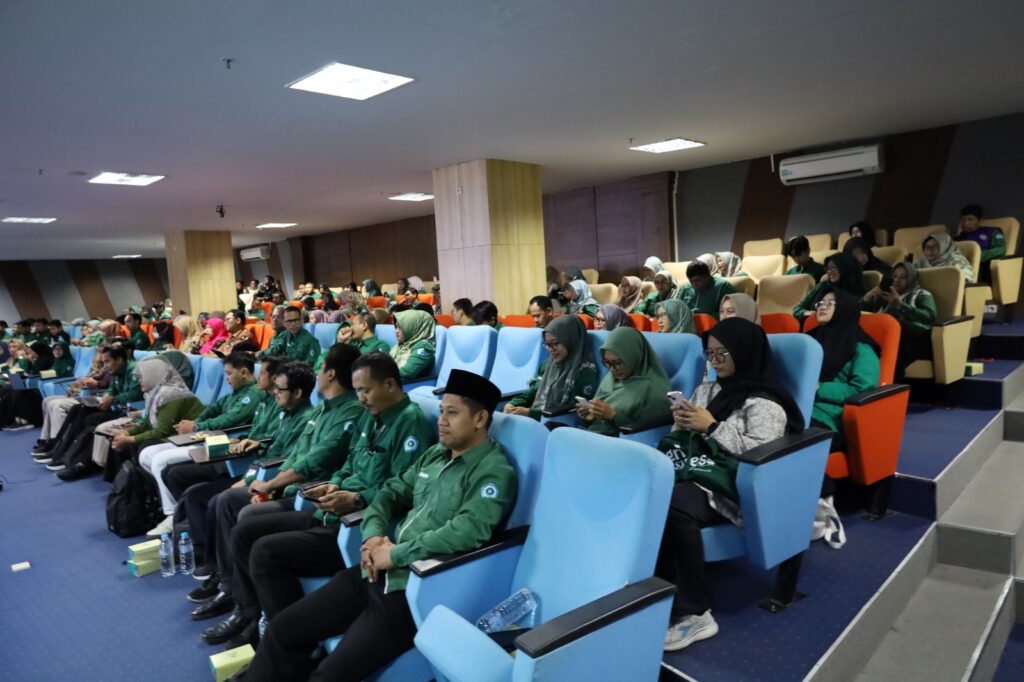
Strengthening the inclusive culture at UNIMUS involves not only lecturers and education staff but also student organizations. Students with disabilities and student volunteers work together in various Disability Services Unit activities. The volunteers are expected to foster a culture of caring, sharing and mutual respect on campus.
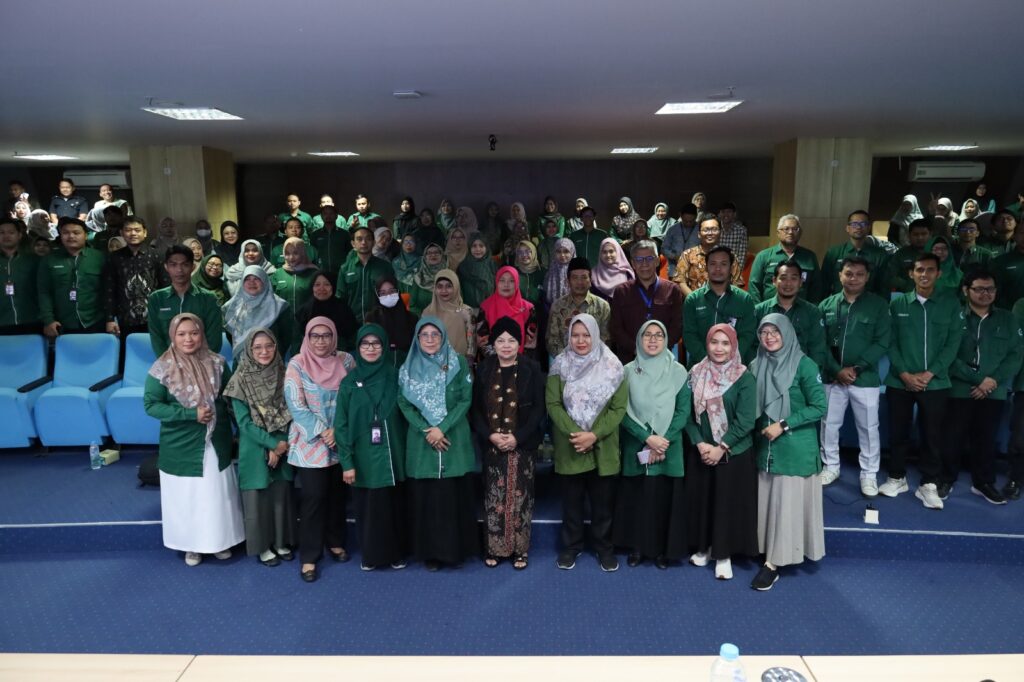
Through this activity, UNIMUS affirms its commitment to developing the Disability Services Unit sustainably. With supportive policies, human resources and collaboration with various parties, UNIMUS seeks to build an increasingly inclusive higher education ecosystem in which every student has an equal opportunity to learn, grow and succeed without barriers.