


Semarang Regency — Micro and small enterprises (MSEs) are a mainstay of Indonesia’s economy amid global market competition. Products made by these businesses need halal standardization through halal certification assistance. The PPK Ormawa team, together with the Halal Center of Universitas Muhammadiyah Semarang (Unimus), therefore held a halal certification assistance session on Sunday (30/08) at the Pringapus Urban Village Hall, Semarang Regency. It was attended by Pringapus MSE owners who had previously taken part in the Digital Product Marketing Strategy Training.
Dr. Agus Suyanto, S.T.P., M.Si, Head of the Unimus Centre for Nutrition and Halal Food Studies, said halal certification is essential for MSEs because product markets are growing and becoming more competitive, so food needs to meet halal and wholesome standards. “Processed food products sold by MSEs need halal certification to give consumers assurance. This is the most basic business legality at the one-stop licensing office, an administrative requirement to ensure the business meets the applicable conditions and rules,” he explained.
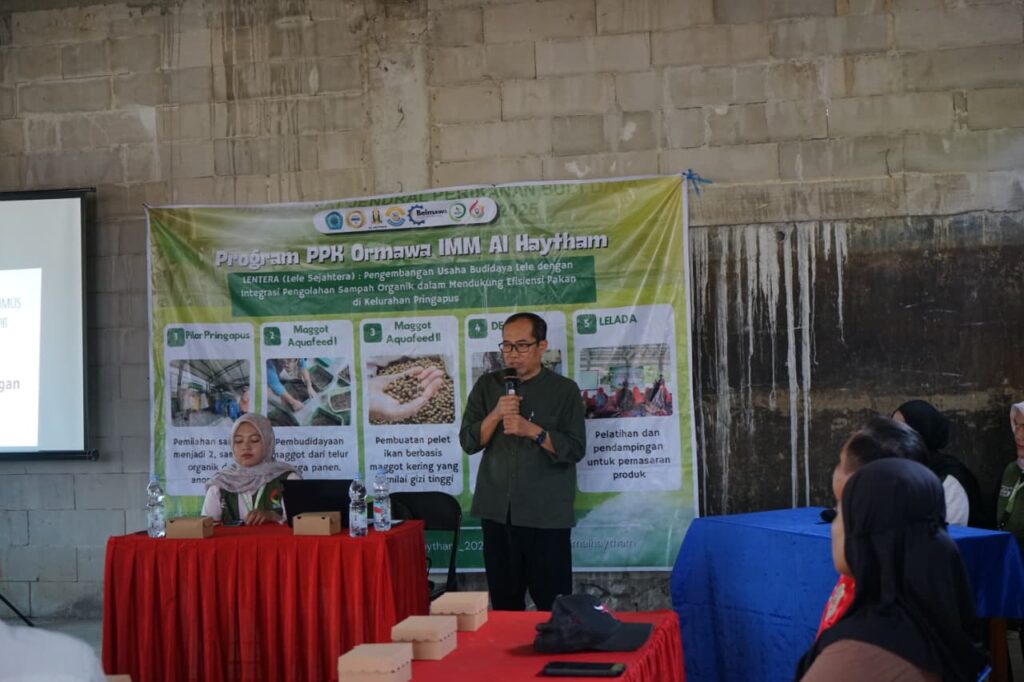
During the training, Agus Suyanto stressed that administrative legality is also part of a business’s identity that must be fulfilled, and he hopes business owners will adopt a forward-looking mindset about developing their enterprises, he concluded.
For MSEs, certification is mandatory and involves three stages: (1) assistance with the halal product process; (2) the Indonesian Ulema Council (MUI) then issues a halal fatwa, which it will not do without the halal product process (PPH) assistance; and (3) following this process, the Halal Product Assurance Agency (BPJPH) issues a halal certificate for the certified product. The leader of the Unimus IMM Al Haytham PPK Ormawa team, Haidar Adnan, hopes that after the halal certification session, Pringapus MSE owners understand the importance of halal certification, food product legality and ways of developing start-up businesses, so that the program’s main outcome, sustainability, can be achieved.
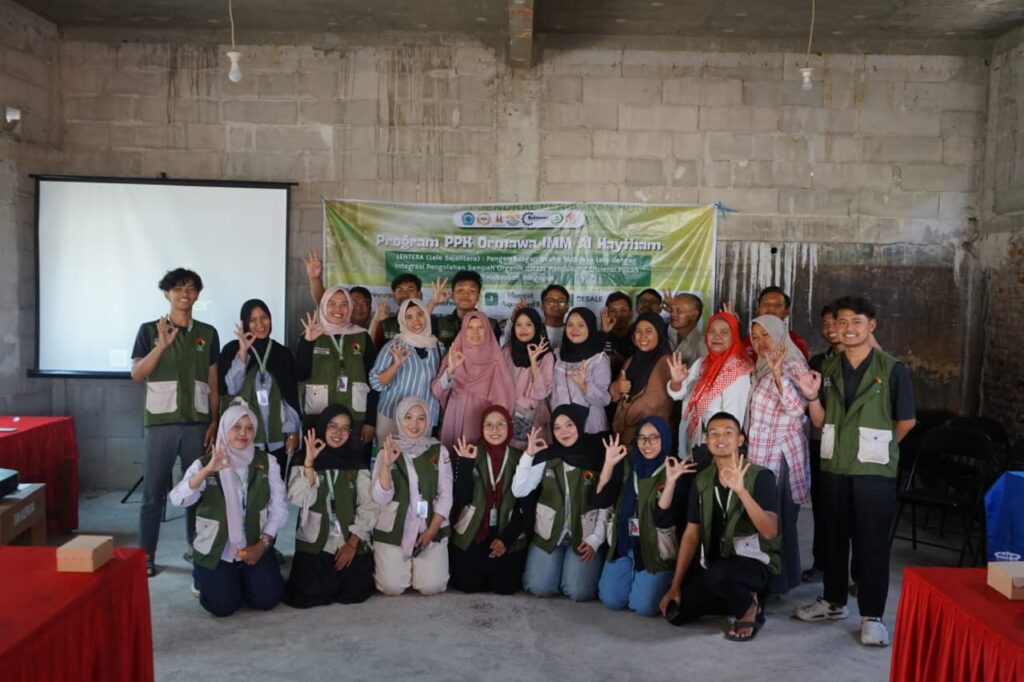
The session continued with an explanation of procedures for preparing halal certification in line with the Halal Product Assurance System (SJPH) of the Halal Product Assurance Agency (BPJPH) of the Ministry of Religious Affairs. With halal certification of their products, new businesses in Pringapus Urban Village are now ready to commit to and take responsibility for producing halal products.