

Semarang | Rapid developments in information technology have changed the face of university libraries. No longer just book collections, libraries are becoming centres of digital information resources, managers of institutional repositories, supporters of scholarly publishing and strategic partners in research and learning.
In response, the Forum of Muhammadiyah and ‘Aisyiyah University Libraries (FPPTMA) held its National Gathering (Silasma) and National Seminar 2026 under the theme “High Tech, High Touch: Keeping the Human Spirit in Libraries in the Digital Era”. Held at Universitas Muhammadiyah Semarang (UNIMUS) on Thursday–Friday (4–5 June 2026), the event served to consolidate, collaborate and strengthen the role of PTMA libraries in the era of digital transformation.
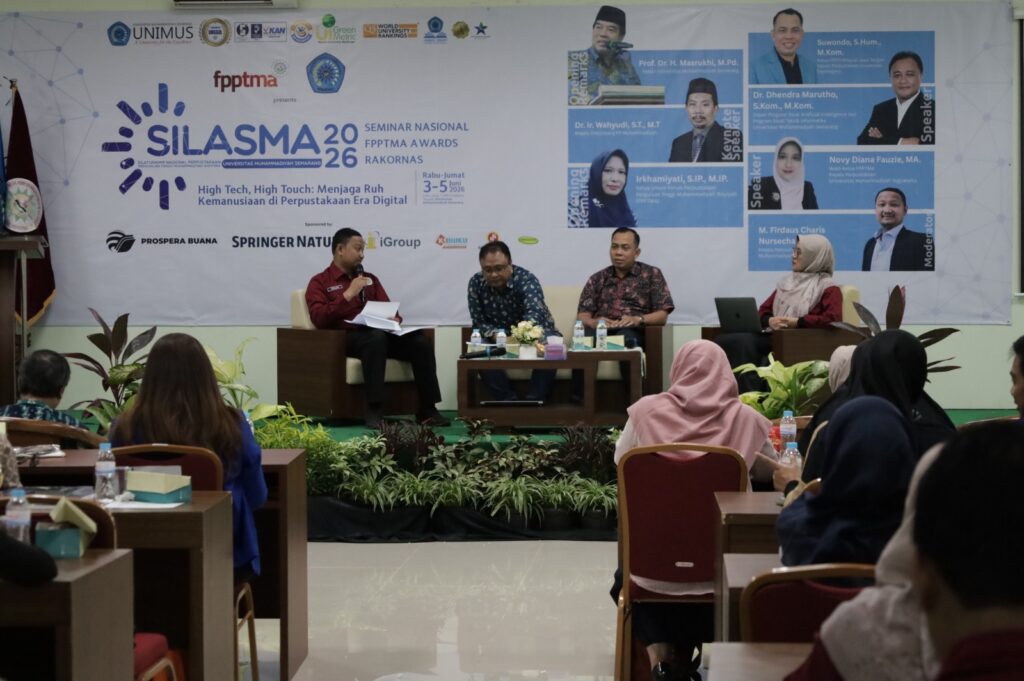
It was attended by the Chair of the Council for Higher Education, Research and Development (Diktilitbang) of the Muhammadiyah Central Board, Prof. Dr. Bambang Setiaji, M.Si.; Dr. Ir. Wahyudi, S.T., M.T.; FPPTMA adviser Drs. Lasa, M.Si.; FPPTMA Chair Irkhamiyati, S.IP., M.IP.; UNIMUS Vice Rector I Prof. Dr. Budi Santosa, M.Si.Med.; the Head of the UNIMUS Library, M. Firdaus CN, S.Hum.; and library managers from PTMA across Indonesia.
Besides the gathering and national coordination, the event included a national seminar with expert speakers, including the Head of the Universitas Muhammadiyah Yogyakarta Library, Novi Diana Fauziah; the Chair of the Central Java Indonesian University Libraries Forum (FPPTI) and Head of the Universitas Diponegoro Library, Suwondo, M.Kom.; and the Head of the UNIMUS Master of Informatics Study Program, Dr. Dendra Maruto, M.Kom.
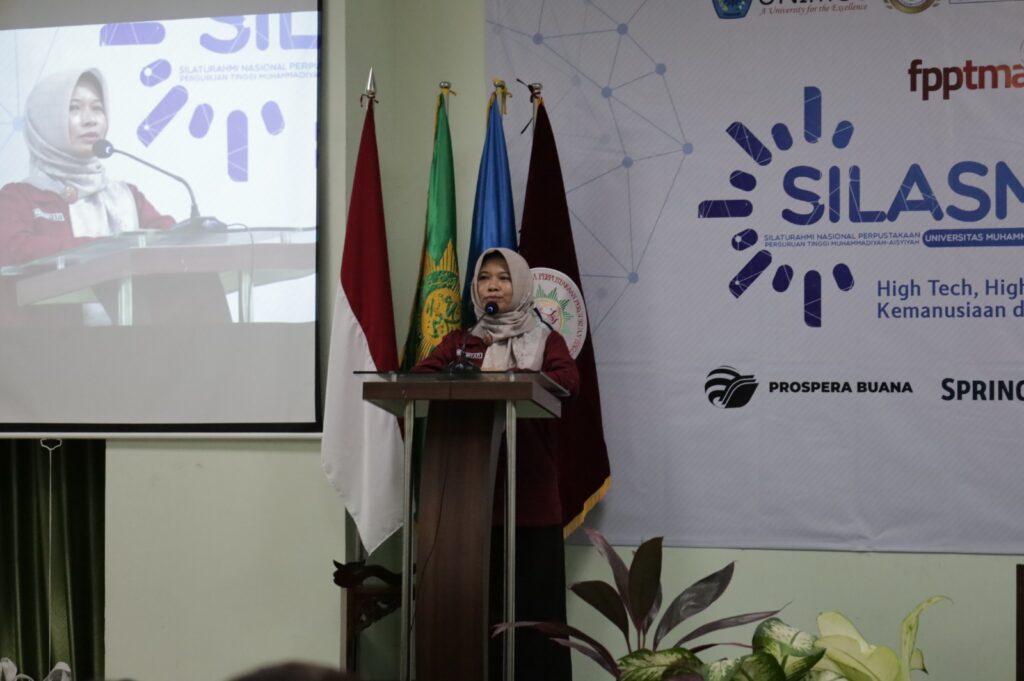
In her remarks, FPPTMA Chair Irkhamiyati, S.IP., M.IP., said Silasma 2026 is a strategic annual agenda and an important moment to strengthen coordination and the direction of library development at PTMA in Indonesia.
She said the rapid development of technology, especially artificial intelligence (AI), requires libraries to keep adapting without abandoning the human values at the heart of information services.
“As part of carrying out the Catur Dharma of Muhammadiyah and ‘Aisyiyah universities, libraries must keep up with technology while maintaining a human touch. Librarians today are not only information managers but also strategic partners in research and learning,” she said.
Irkhamiyati also stressed the importance of improving librarians’ competence through stronger literacy and knowledge development as a real contribution to educating the nation and enlightening the world.
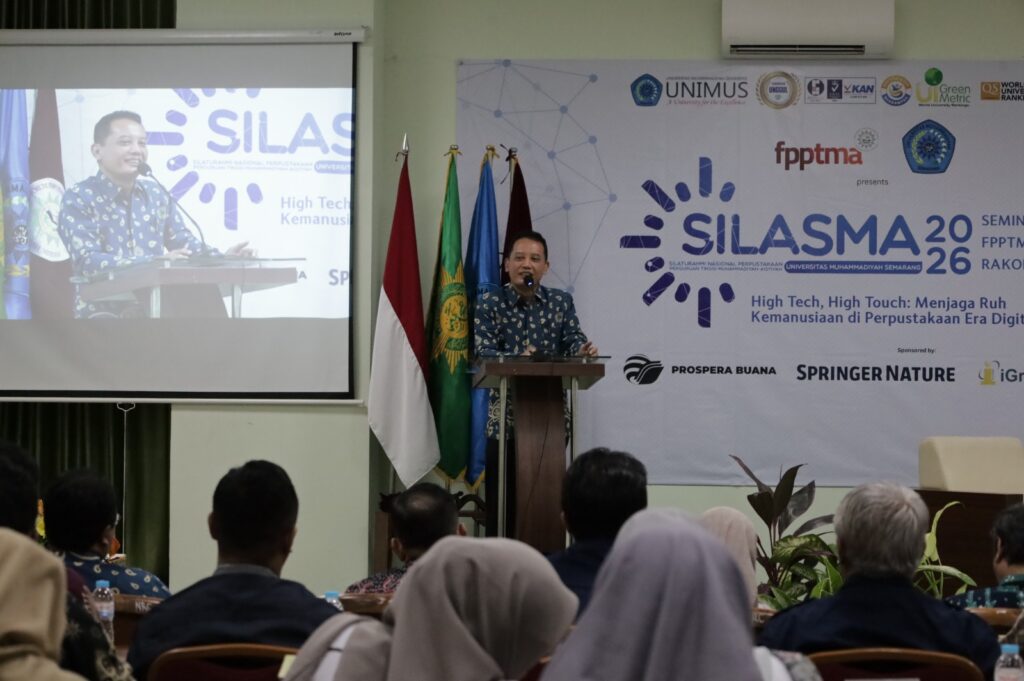
UNIMUS Vice Rector I Prof. Dr. Budi Santosa, M.Si.Med., expressed appreciation for the trust given to UNIMUS to host Silasma and the FPPTMA National Seminar 2026.
He said the event is a strategic space for literacy advocates and library managers to discuss the challenges and opportunities of the evolving digital era.
“Technology, especially AI, is developing very fast. All kinds of information, from news to scientific articles, can be accessed in seconds. Many tasks that used to take a long time can now be done much faster with technology,” he said.
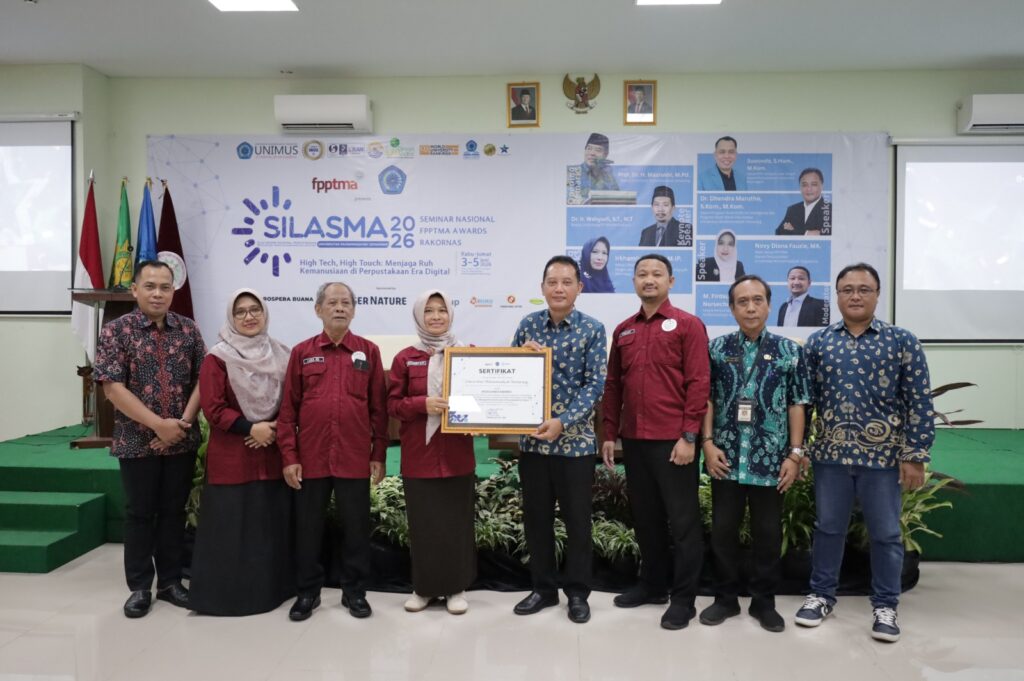
However, Prof. Budi stressed that technology must not erase the human side of library services. He said libraries should not only store information but also be spaces that build understanding, empathy and character in the academic community.
“The challenge ahead is not only to create a smart library but a human smart library. Libraries must combine sophisticated technology with a humane approach,” he said.
He added that the library holds a strategic position as the heart of the university, especially in supporting accreditation, learning, research, community service and the strengthening of Al-Islam and Kemuhammadiyahan (AIK).
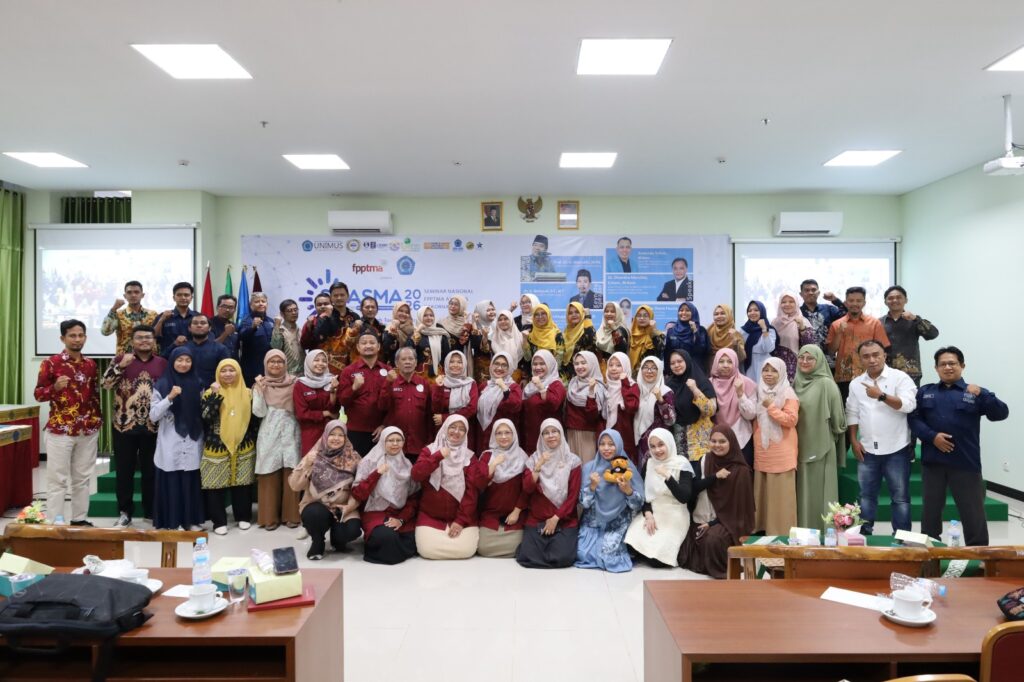
“A university’s success in building an excellent academic ecosystem depends greatly on the quality of its library. People grow and develop through literacy and knowledge. That is why collaboration is key to building shared strength and progress,” he said.
Through Silasma and the FPPTMA National Seminar 2026, the organizers hope to achieve a balance between the use of technology (high tech) and strengthening human values (high touch), so that university libraries can continue to provide excellent, adaptive, innovative and people-centred services in an increasingly dynamic digital era.