
Semarang – Universitas Muhammadiyah Semarang (UNIMUS) once again demonstrated its commitment to expanding strategic collaboration, particularly in health. On Friday, 1 August 2025, UNIMUS received a visit from Bendan Regional General Hospital (RSUD Bendan), Pekalongan, to monitor and evaluate their existing cooperation and sign a new agreement.
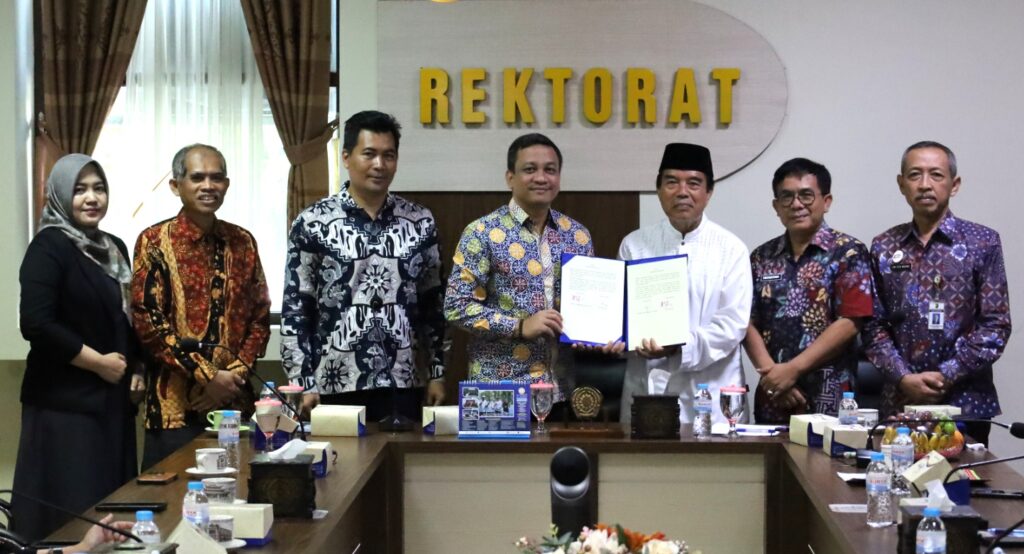
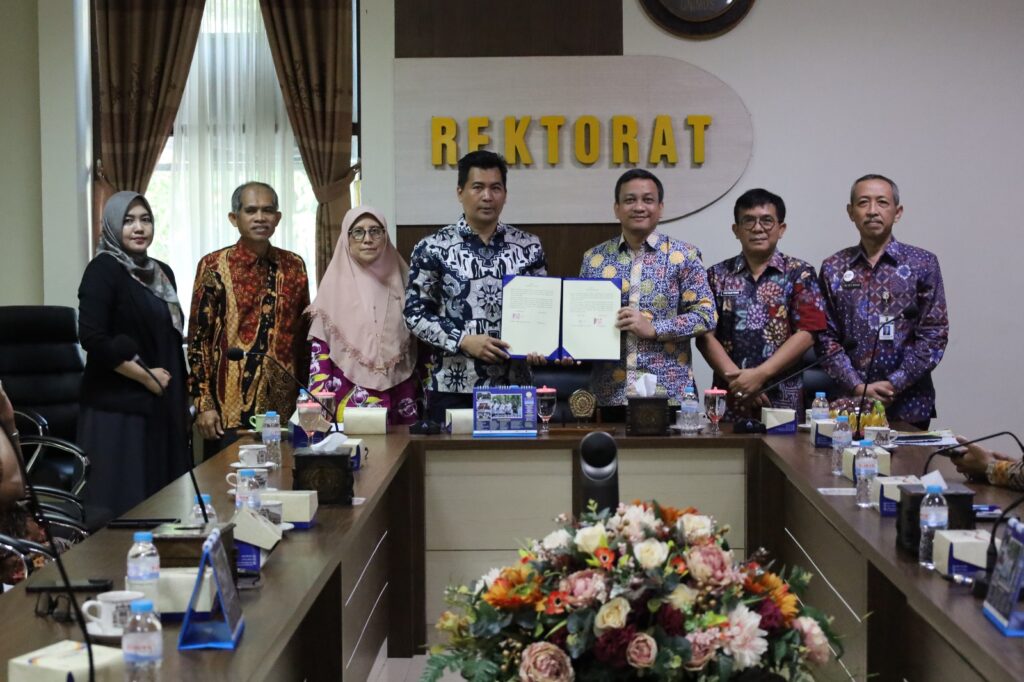
The visit was attended by the Mayor of Pekalongan, H. Anwar Afzan Arslan Djunaid, SE., MM., who witnessed the signing of the memorandum of understanding between the two institutions, accompanied by the Director of RSUD Bendan and staff. In Room 208 of the UNIMUS Rectorate Building, the Mayor and the RSUD Bendan delegation were warmly welcomed by UNIMUS Rector Prof. Dr. Masrukhi, M.Pd., and university leaders.
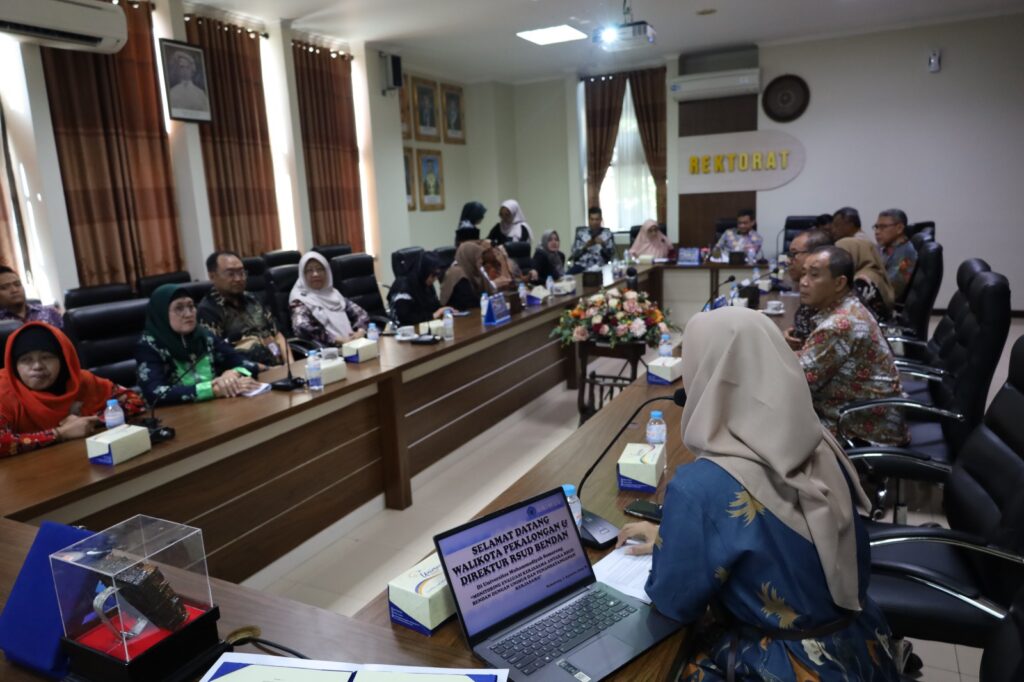
During the meeting, both parties evaluated their existing cooperation and explored opportunities to expand collaboration in education, research and community service, particularly to improve the quality of services and human resources in the health sector.
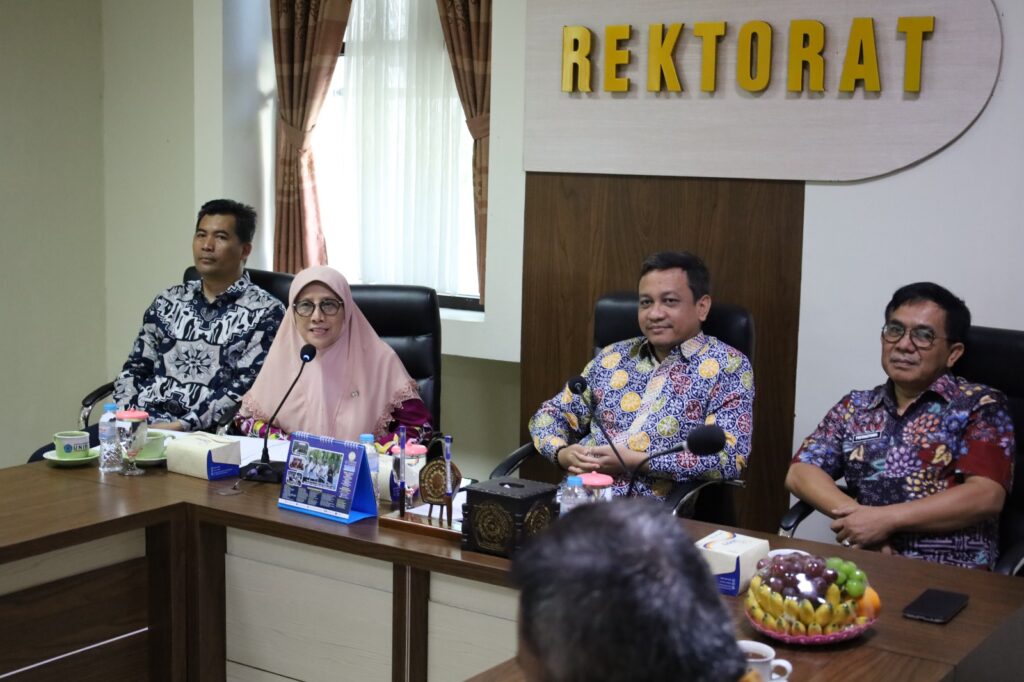
UNIMUS Rector Prof. Masrukhi expressed his appreciation for the partnership so far. He hoped the cooperation would not only continue but also bring concrete benefits to both parties and the wider community.
“We believe this collaboration will bring many benefits, especially in developing competent human resources ready to contribute to the health sector,” said Prof. Masrukhi.
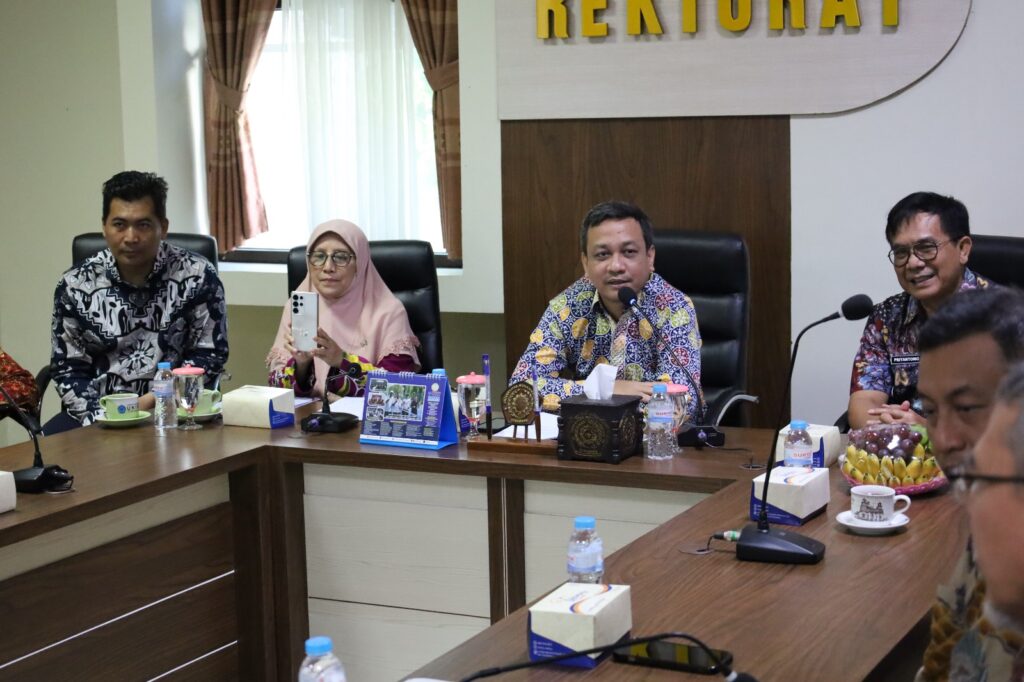
The Mayor of Pekalongan, H. Anwar Afzan, thanked UNIMUS for its warm welcome. He stressed that the partnership is very important in supporting the transformation of RSUD Bendan into a better and more professional hospital.
“During our leadership, RSUD Bendan has made a lot of progress. Cooperation with universities such as UNIMUS has been one of the driving factors. We are optimistic that this partnership will continue to grow and benefit the people of Pekalongan,” he said.
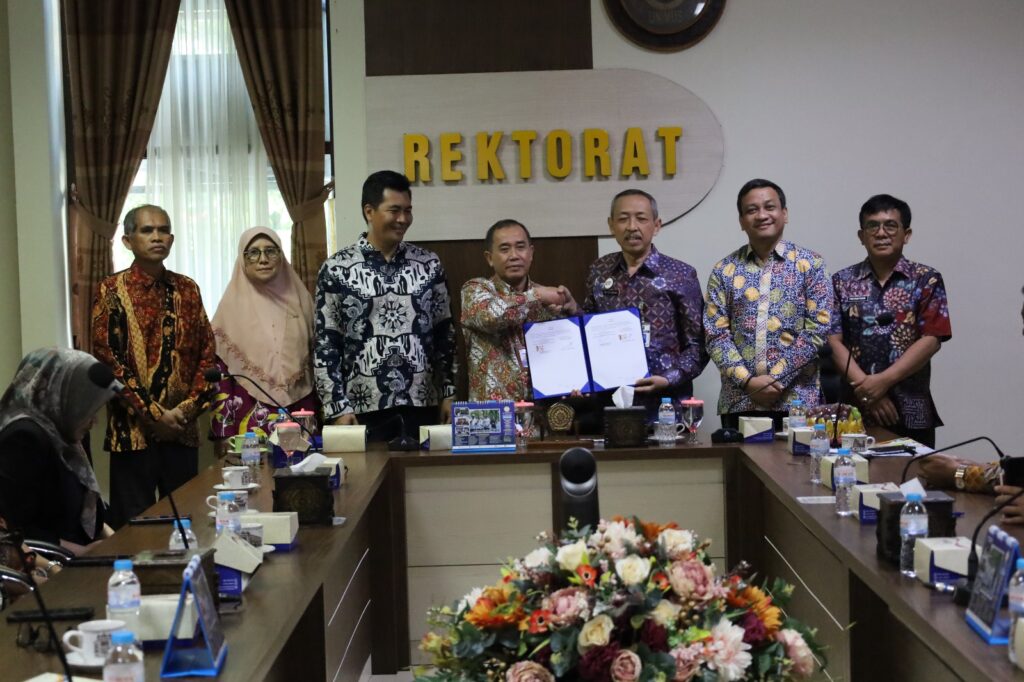
The event closed with the signing of the memorandum of understanding as a symbol of the shared commitment to strengthening synergy between educational institutions and health services. This step is expected to drive the development of higher education that is relevant, practical and directly responsive to community needs.
Reported by UNIMUS Public Relations (TRI)
Originally published in Indonesian on unimus.ac.id.