
Kendal, 6 April 2026 — Universitas Muhammadiyah Semarang (Unimus), through the Bachelor of Agribusiness Study Program of the Faculty of Economics and Business (FEB), held its first rice harvest with a partner farmer group in Tambaksari Village, Rowosari District, Kendal Regency, on Monday (6/4). The event showed how universities and communities can work together to promote food self-sufficiency and improve farmers’ welfare.
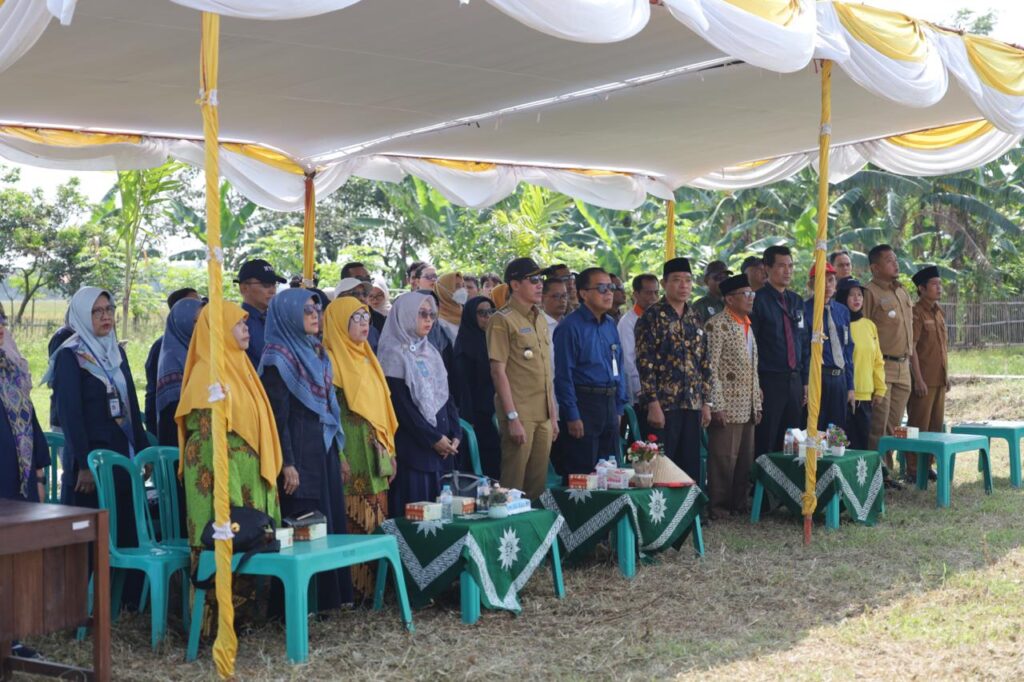
The first harvest took place on a 3,840 m² plot planted with the Inpari 32 rice variety, with an estimated yield of 2.5 tonnes. It was the result of intensive mentoring by the Unimus Agribusiness Study Program for the Sido Makmur Farmers’ Group Association (Gapoktan), which continues to be supported to grow sustainably.
The mentoring program focuses not only on raising production but also on combining education, agricultural innovation and stronger farmer institutions.
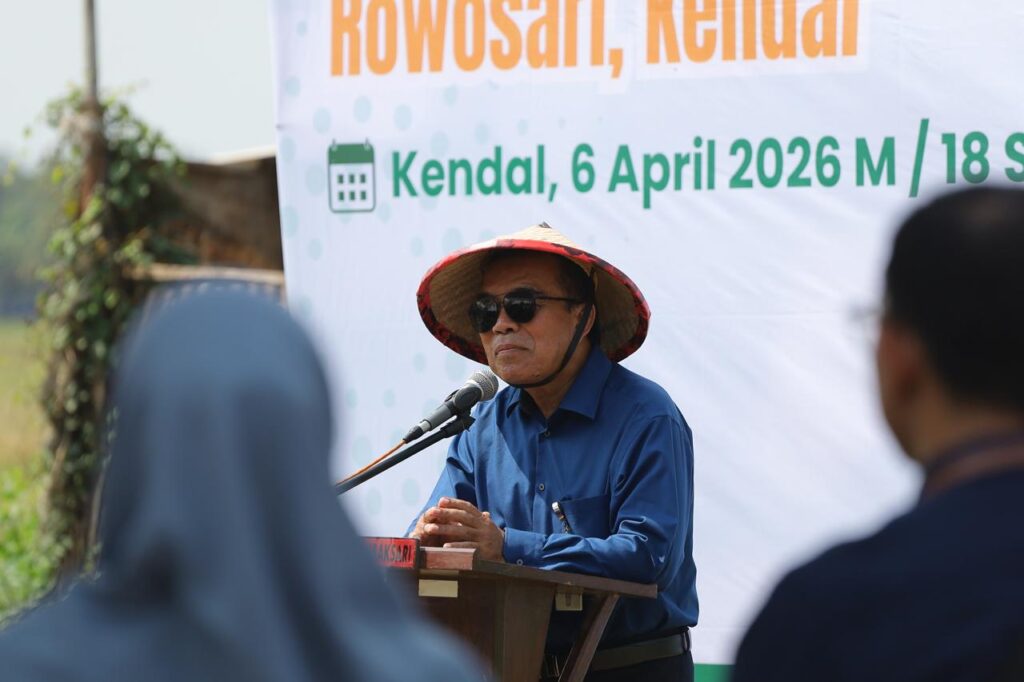
The event was attended by Unimus leaders, including the Rector, the Vice Rectors, the Dean of FEB and members of the academic community. Also present were the Deputy Regent of Kendal, H. Benny Karnadi, S.Ag., representatives of the local government, members of the community and local farmer groups.
The Rector of Unimus, Prof. Dr. Masrukhi, M.Pd., stressed that the activity was a concrete contribution by the university to the community.
“This first harvest proves that a university must be present and have a direct impact on the community, especially in strengthening food security,” he said.
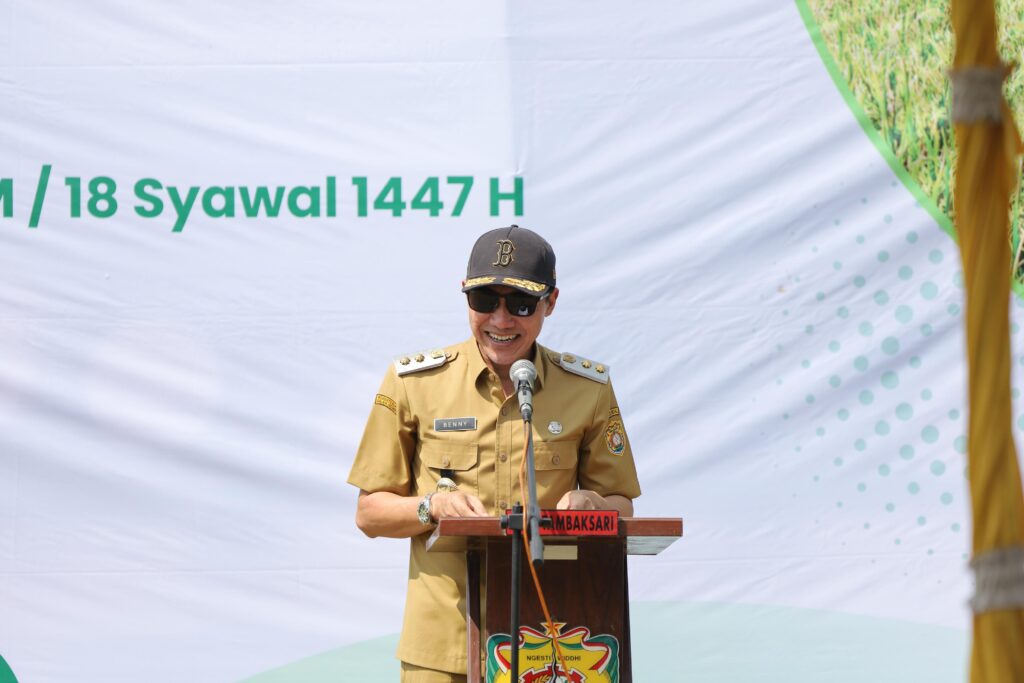
The Deputy Regent of Kendal also expressed appreciation for Unimus’ contribution to the regency’s food security program.
“We hope this collaboration does not stop here but continues to expand, so that more villages benefit and food security in Kendal Regency becomes stronger,” he said.
Speaking for the farmers, the head of the farmer group, Mr. Fathurohman, thanked Unimus for its support. He said the farmers’ knowledge and yields had both improved since the program began.
“Alhamdulillah, with mentoring from Unimus we have learned a great deal, from cultivation techniques to managing the harvest. The yield is also better than before,” he said.
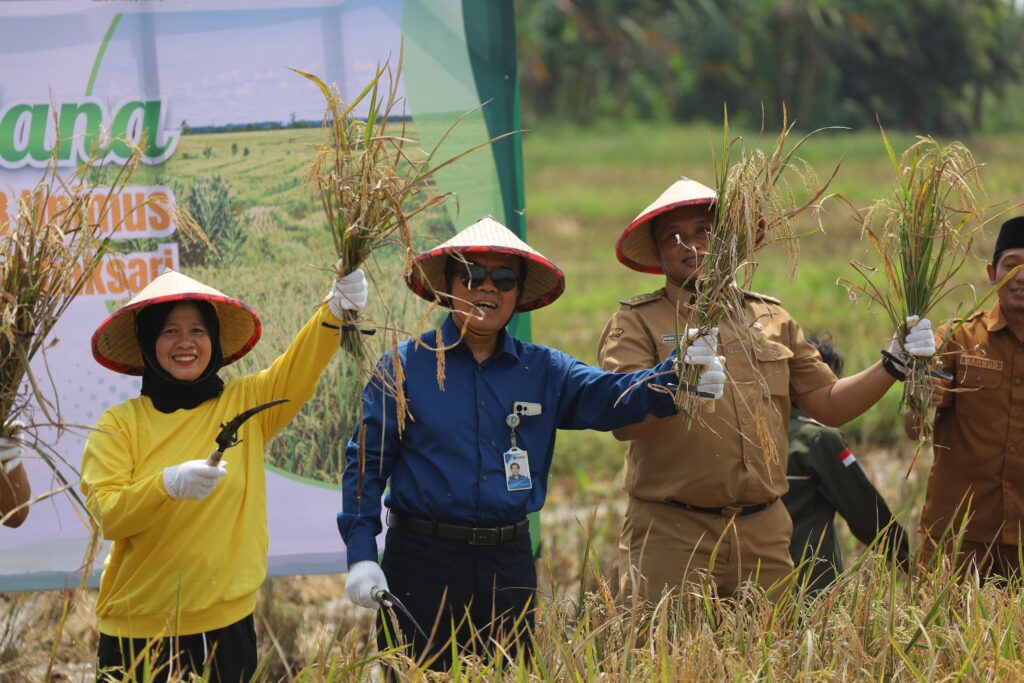
Another farmer representative, Mr. Imam, agreed, saying the collaboration had opened farmers’ eyes to modern agricultural innovation.
“We now better understand how to farm effectively and efficiently. We hope this partnership continues so that we can become more self-reliant,” he said.
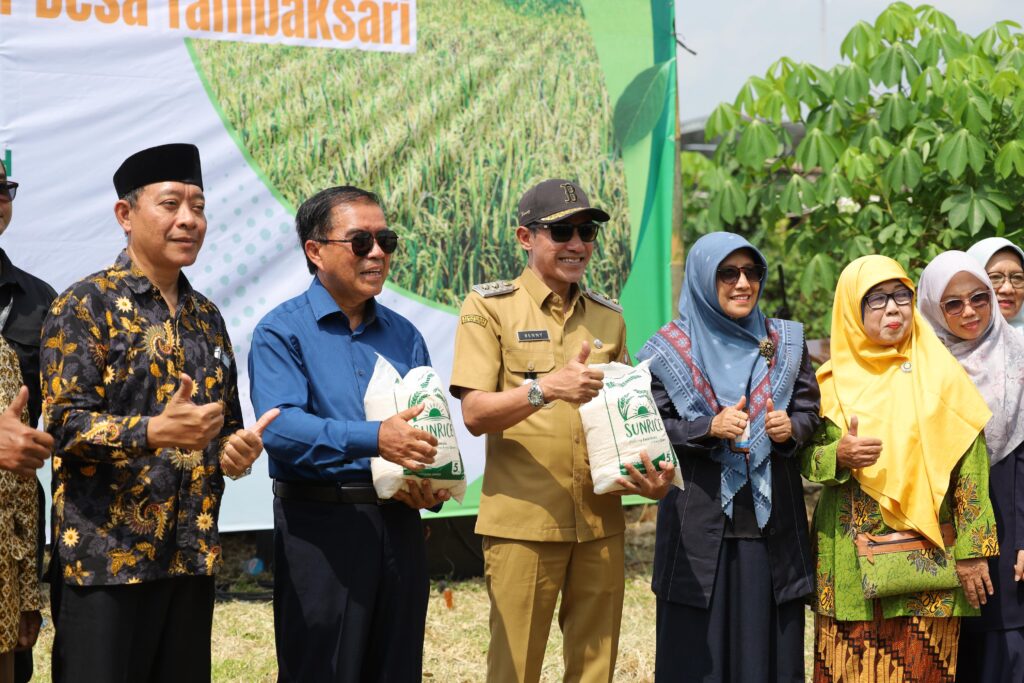
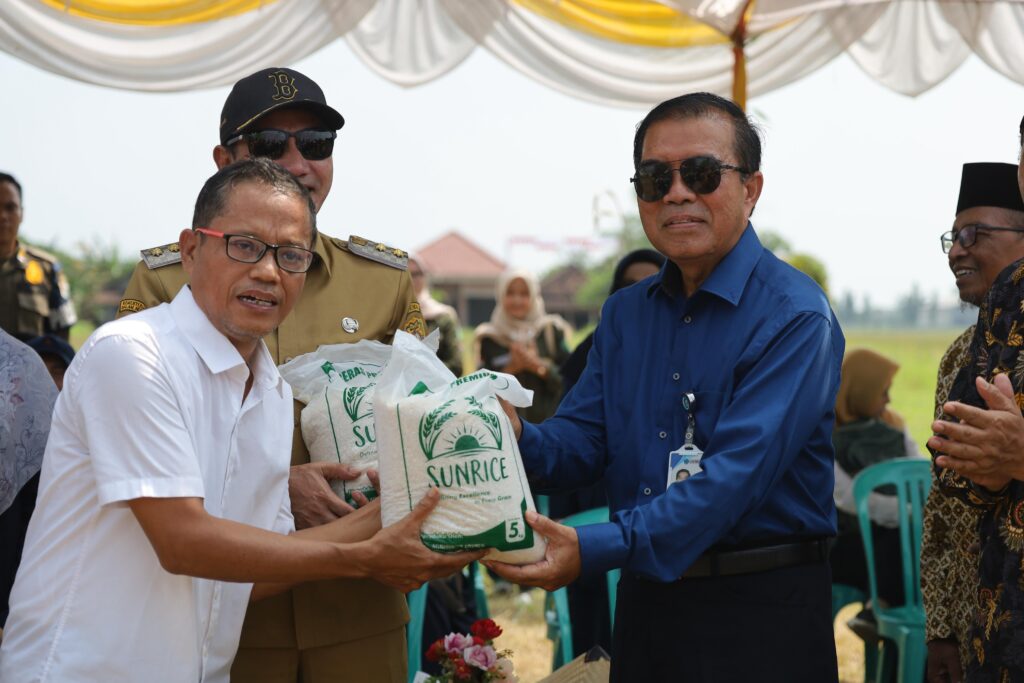
The event also included the launch of a premium rice product, “SUNRICE”, and the signing of a memorandum of understanding (MoU) to sustain the partnership between Unimus and the farmer group.
Through this activity, Unimus acts not only as an educational institution but also as a strategic partner for the community in developing the agricultural sector. The synergy between the university, government and farmers is expected to create a productive, innovative and sustainable farming ecosystem that supports national food self-sufficiency.