
Semarang Regency – Students have once again brought their spirit of service to the community. This time, through the Student Organization Capacity Building Program (PPK Ormawa), the Al Haytham branch of the Muhammadiyah Students Association (PK IMM) at Universitas Muhammadiyah Semarang (Unimus) launched a community empowerment program called LENTERA (Lele Sejahtera, or Prosperous Catfish) in Pringapus Urban Village, Pringapus District, Semarang Regency, on Saturday (13/6/2026).
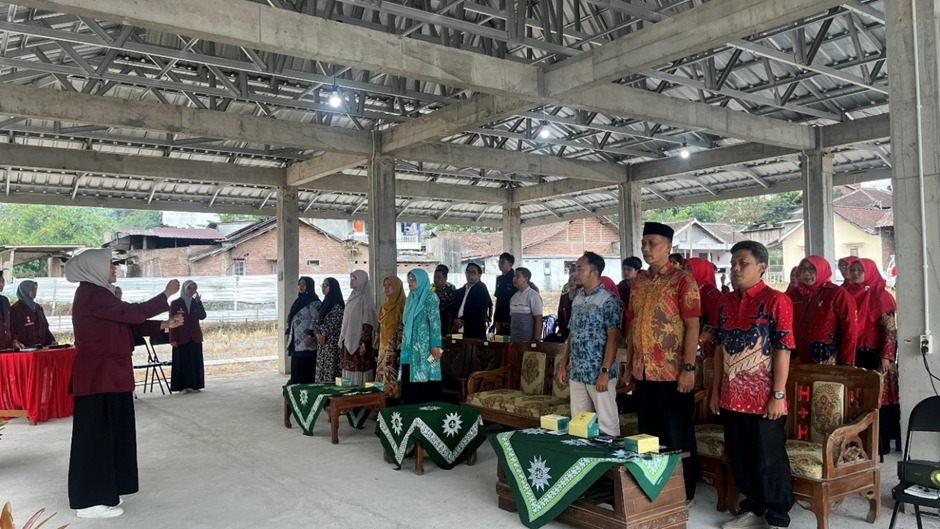
Held at the Pringapus Urban Village Hall, the launch marked the start of a collaboration between students, local government, academics and the community to develop local potential based on catfish farming and organic waste management.
LENTERA develops catfish farming integrated with the processing of organic waste as an alternative source of feed. The innovation is expected to cut farming costs while tackling household waste, which has long been a challenge for the community.
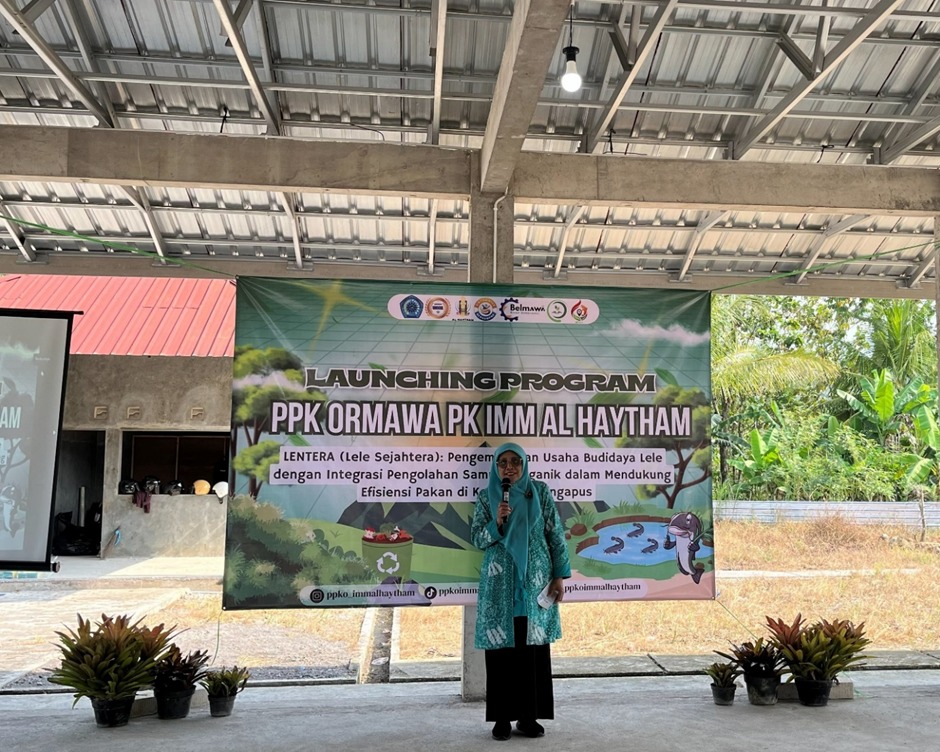
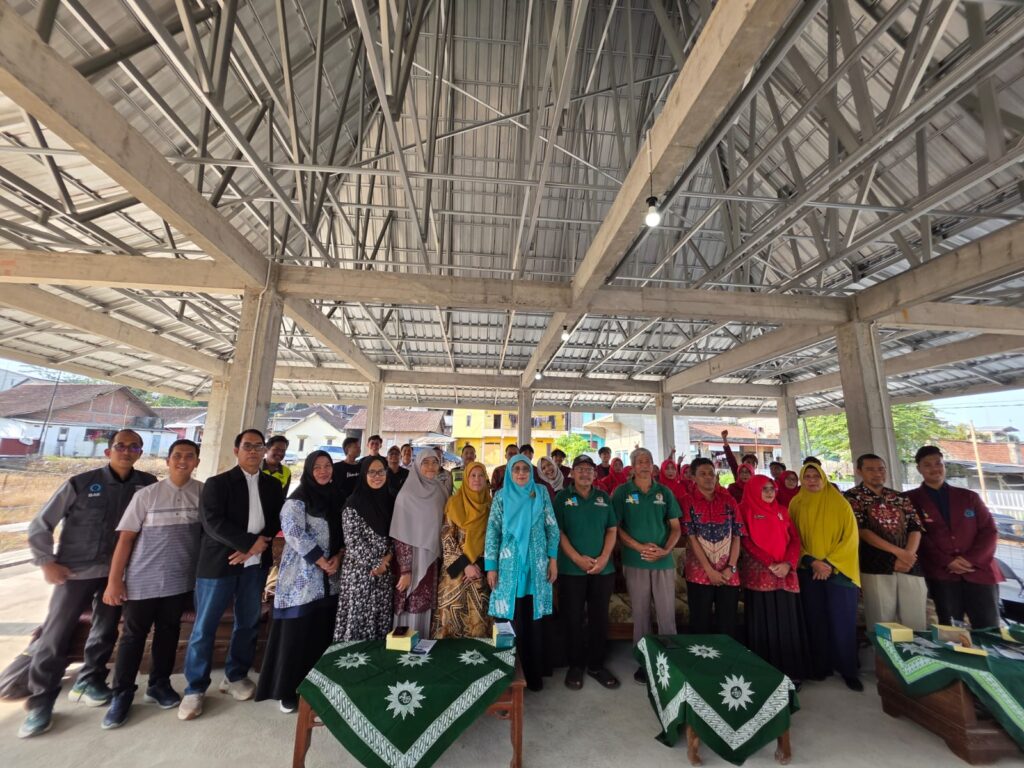
The grand launch was officially opened by Unimus Vice Rector III for Student Affairs, Dr. Eny Winaryati, M.Pd. Also present were the Head of Pringapus District, Slamet Shodiq, S.H.; the Head of Pringapus Urban Village, Cahya Okta P.; faculty leaders, heads of study programs and supervising lecturers; and community members including PKK family welfare cadres, youth groups (karang taruna), small business owners, waste bank managers and biofloc pond managers.
The presence of university leaders showed full support for the student-led program. Also attending were the Deans of the Faculty of Agricultural Science and Technology (FSTP), the Faculty of Nursing and Health Sciences (FIKKES) and the Faculty of Economics, Law and Business (FEHB), as well as heads of study programs, including the Head of the Bachelor of Food Technology Study Program, Dr. Yunan Khalifatudin Sya’di, S.TP., M.Sc.; the Head of the Bachelor of Mechanical Engineering Study Program, Muhammad Subri, S.T., M.T.; and the Secretary of the Bachelor of Management Study Program, Nurhayati, S.E., M.M.
Dr. Eny Winaryati said the program is a clear example of how students can build interdisciplinary collaboration to have a direct impact on the community.
“The Student Organization Capacity Building Program comes to life through collaboration among students from various study programs who complement each other to achieve the program’s main goal: making a direct impact on the people of Pringapus,” she said.
She stressed that the university is not only a place for academic learning but also a place where real solutions to community needs are born.
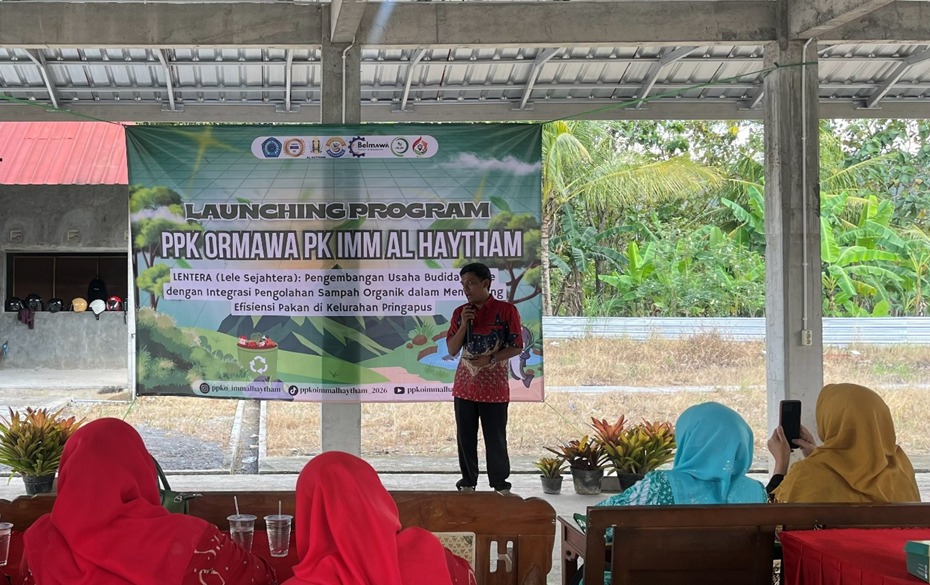
The urban village government expressed similar support. The Head of Pringapus Urban Village, Cahya Okta P., praised the program as relevant to the area’s potential and needs.
“We are very grateful for and appreciate this PPK Ormawa program,” he said.
He said Pringapus has great potential, with biofloc catfish ponds and an abundant supply of household organic waste. Through LENTERA, both are expected to become new sources of income for the community.
The program has four integrated main activities: LENTERA Bioflok, Maggot Aquafeed, DESALE (catfish cooking demonstrations) and LELADA (Lele Lezat Anak Desa, Tasty Village Catfish). Together they form a single empowerment chain, from managing organic waste and producing feed from Black Soldier Fly (BSF) maggots to processing harvested catfish and strengthening product marketing through village small businesses.
Pringapus Urban Village has 24 biofloc ponds, each with a capacity of around 2,000 to 3,000 catfish. Meanwhile, household organic waste of around 900 kilograms per day is a large potential resource that has not been used optimally.
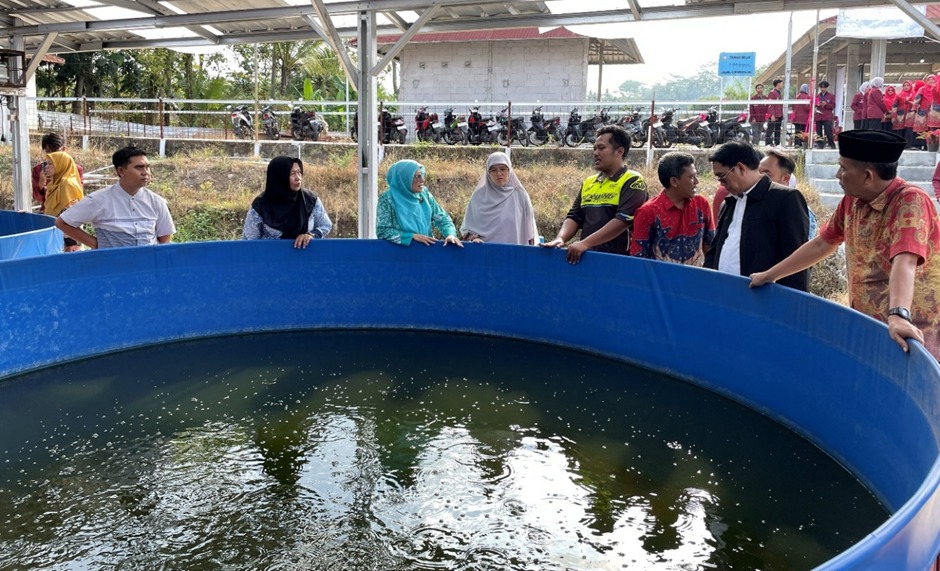
The launch was marked by a symbolic ribbon-cutting at the biofloc pond area by the Unimus Vice Rector III together with the Head of Pringapus District, the Head of Pringapus Urban Village and the leader of the PK IMM Al Haytham PPK Ormawa team, Haidar Adnan Bahriansyah, witnessed by all the guests.
Over the next five months, a series of empowerment activities will be carried out with the local community. The program is expected not only to increase catfish farming productivity but also to raise awareness that waste management can have economic value.
Through LENTERA, Unimus students show that their role does not end in the lecture hall. With the support of local government and the academic community, students act as a bridge between knowledge and community needs, while contributing to economic self-reliance based on local potential in Pringapus.