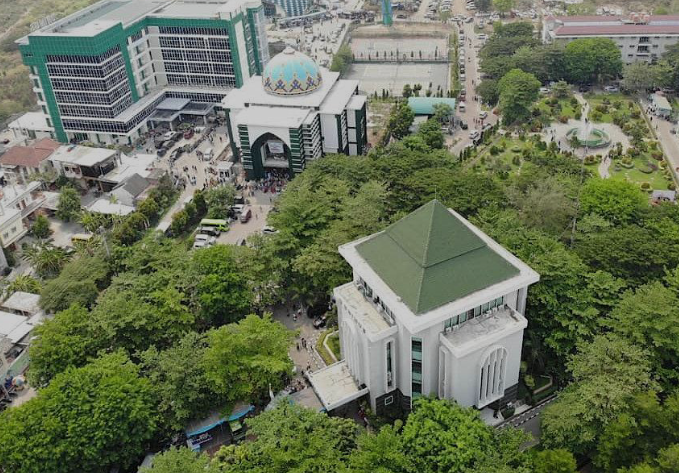
Universitas Muhammadiyah Semarang is committed to implementing sustainable governance as the foundation of its institutional development. Through transparent, accountable, and ethical decision-making processes, UNIMUS ensures that sustainability principles are embedded in its policies, strategies, and organizational practices.
The university continuously strengthens its governance framework by promoting integrity, inclusivity, and stakeholder engagement at all levels. This approach enables UNIMUS to respond effectively to evolving global challenges while maintaining a strong commitment to institutional excellence.
By aligning governance with sustainability values, Universitas Muhammadiyah Semarang fosters a responsible and forward-looking academic environment. This commitment supports the achievement of the Sustainable Development Goals (SDGs) and reinforces the university’s role as a trusted and impactful higher education institution.

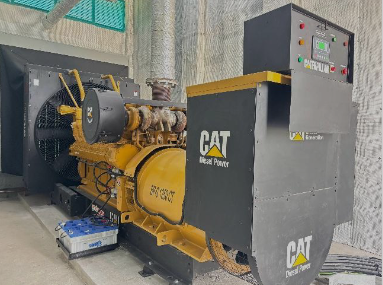
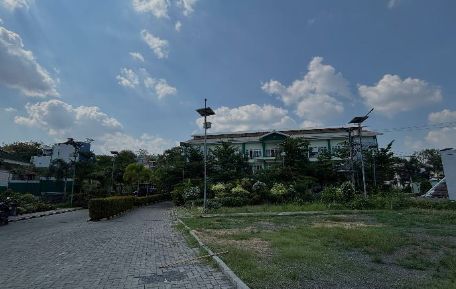
Universitas Muhammadiyah Semarang actively promotes the transition toward renewable and low-emission energy sources to reduce its dependency on fossil fuels. As of 2025, three major renewable energy systems are in operation across the campus: biodiesel power generation, solar-powered street lighting (PJU), and rooftop solar panels installed at the Vocational Training Center (BLK).
The total renewable energy production amounts to 46,785 kWh/month, equivalent to 561,420 kWh/year. When compared to the university’s total electricity consumption of 383,430 kWh/month (≈ 4,601,160 kWh/year), the ratio of renewable energy production is calculated as:
| No | Renewable Energy | Production (in kWh) |
| 1 | Biodiesel | 45,840 |
| 2 | Solar panel | 180 |
| 3 | Solar Power Rooftop BLK | 270 |
| Total | 46.290 |
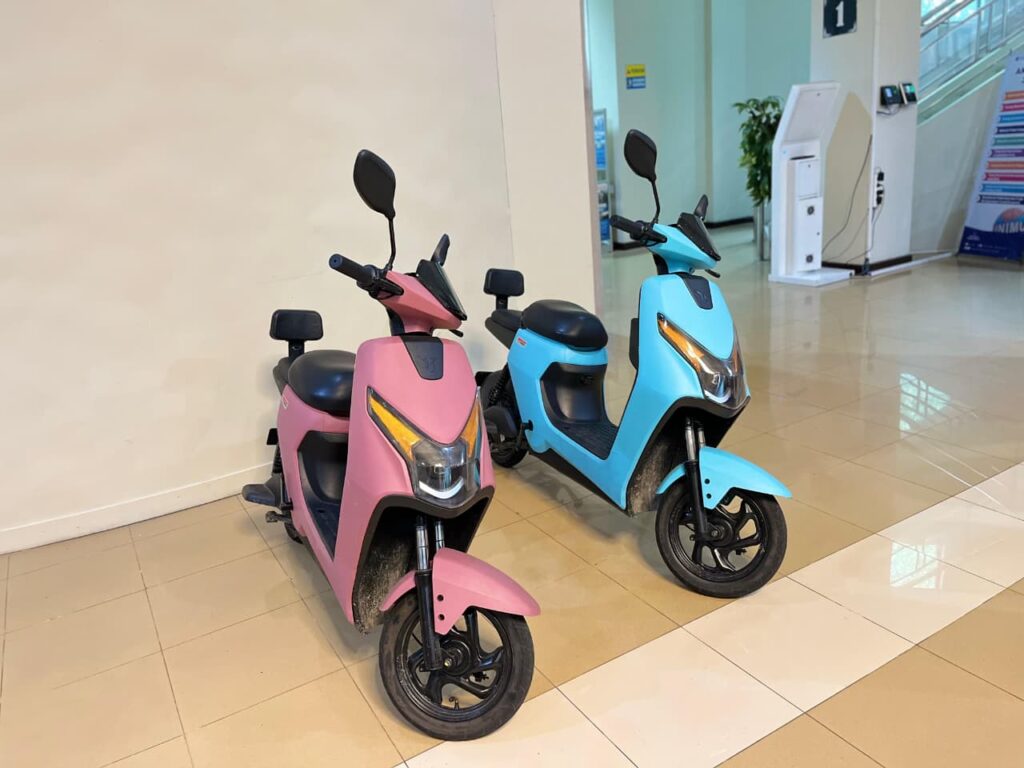
Universitas Muhammadiyah Semarang provides Zero Emission Vehicles (ZEV) to facilitate the mobility of its academic community within the campus, enabling easy access to various facilities. The fleet consists of bicycles and electric bicycles (E-bikes), which are made available free of charge to all members of the academic community. UNIMUS also provides a shuttle service, as shown in Figure 1. This shuttle service consists of a small biodiesel-fueled bus, operated regularly by UNIMUS, and is available free of charge for all members of the UNIMUS academic community.
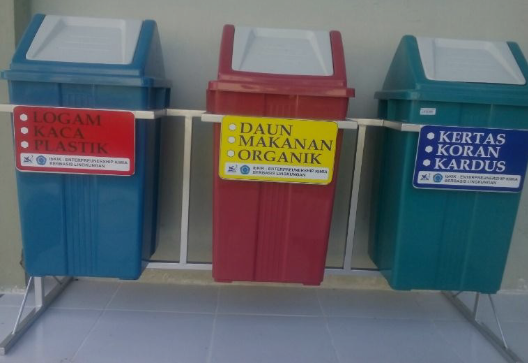
University of Muhammadiyah Semarang has implemented the 3R program (Reduce, Reuse, and Recycle) as part of its commitment to becoming a green and sustainable campus. This program is carried out in an integrated manner by the Business Assurance and Management Unit (UPPU) with active support from faculties, students, and educational staff.
Universitas Muhammadiyah Semarang has integrated the concept of smart building into several key facilities that meet at least five intelligent features, including room automation, safety systems (CCTV), energy management, water waste management, and indoor environmental control. As of 2025, UNIMUS has implemented smart building technology in multiple core buildings such as Joint Lecture 1, Joint Lecture 2, Joint Lecture 3 and Hospital Building UNIMUS.
Jl. Kedungmundu Raya No. 18, Kec. Tembalang, Kota Semarang, Jawa Tengah.
(024) 76740296
Copyright 2025, UNIVERSITAS MUHAMMADIYAH SEMARANG. All Rights Reserved.