
Click the SDG Goals to read the initiatives





SDG 8 : Decent Work and Economic Growth
SDGS 8 Report 2025
Strengthening Tempe Jowo Business Sustainability through Equipment Modernization and Product Innovation
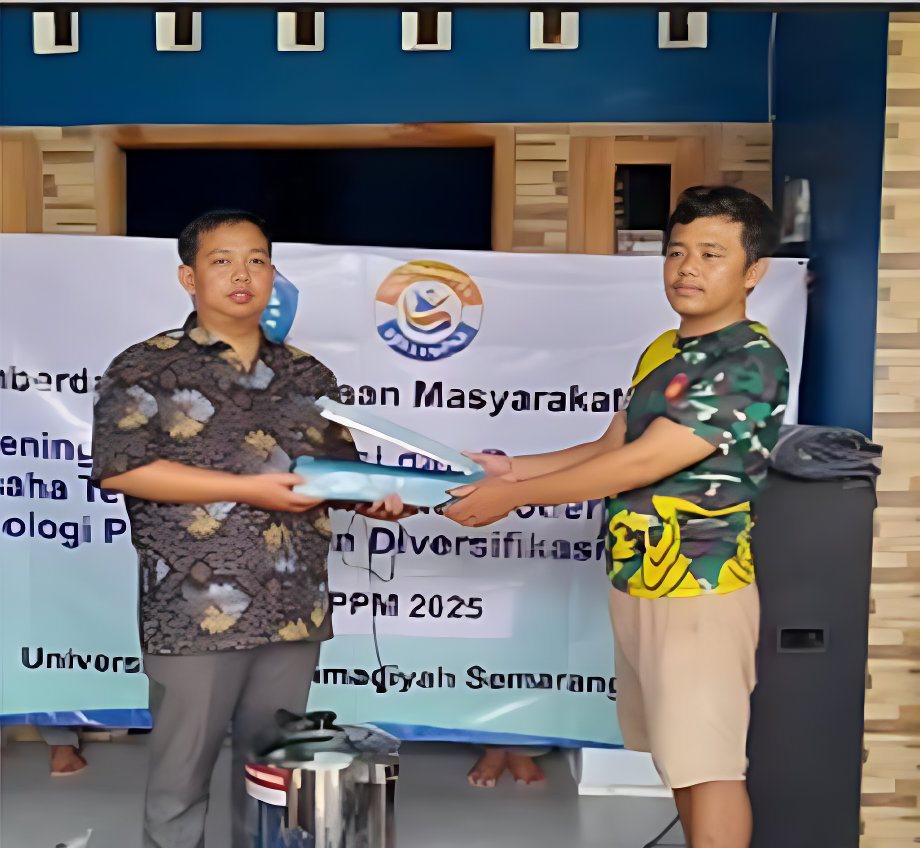
Tempe Jowo is the name of a fermented tempeh product produced by a small-scale home industry located on Jalan Sedayu Melati RT 02 RW 01, Bangetayu Village (Bangetayu Kulon), Genuk District, Semarang, Central Java. This Tempeh business was founded by Mr. Zaenal Abidin and has been running for 10 years. The main product produced is soy-based tempeh processed using traditional fermentation methods, so that it is able to maintain its distinctive taste and natural quality. Tempe Jowo has been known among the local community for its soft texture and authentic taste. However, despite having been established for quite some time, this business is still stagnant and has not shown significant improvements in production or marketing aspects.
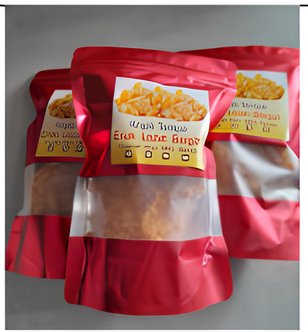
In its operations, Tempe Jowo still relies on manual production processes without the support of modern equipment, resulting in low production efficiency, labor requirements that require more effort, and limited production capacity. As demand for tempeh in Semarang and its surrounding areas increases, the business faces challenges in optimally meeting market demand. Therefore, modernization of production technology is needed to improve efficiency and product quality so that the business can grow more rapidly. Furthermore, Tempe Jowo plans to diversify its business by producing tempeh chips as an additional processed product. This step aims to increase the added value of the product, extend the shelf life of tempeh, and create job opportunities for the local community, especially those who are unemployed or affected by layoffs. With this innovation and digital marketing methods, it is hoped that Tempe Jowo can reach a wider market and increase its competitiveness in the snack food industry.
Empowering MSME Gazebo and Wooden House Products to Accelerate the Production Process In Mangunharjo, Tembalang, Semarang City
The rapid development of the tourism sector, with the emergence of many tourist village destinations offering glamping or modern camping with a wooden house concept, and restaurants or cafes embracing a traditional theme using wooden materials, presents significant potential for MSMEs (Micro, Small, and Medium Enterprises) in the gazebo and wooden house craft sector to reach target markets in marketing their products.
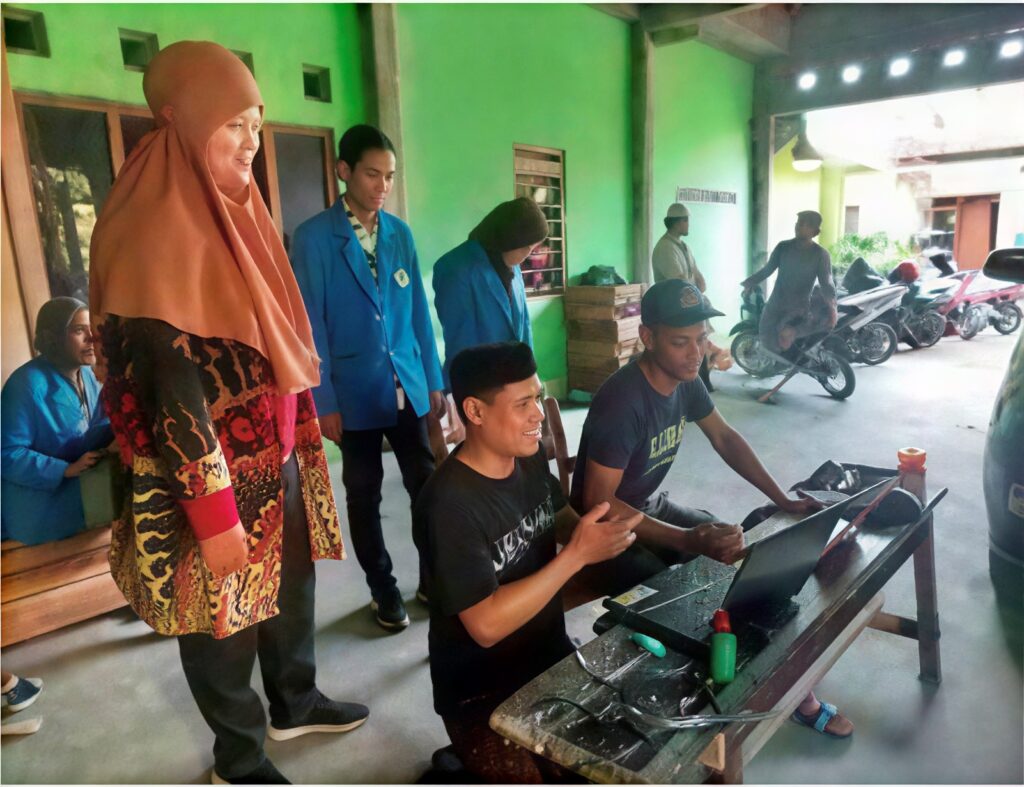
Mitra adalah Berkah Mulia Abadi is an MSME (Micro, Small, and Medium Enterprises) business actor or craftsman who produces gazebos and wooden houses as the main livelihood. The problems faced by partners are limited knowledge and equipment used. Partners do it according to the habits that are done continuously, there is no optimal use of technology. In the design process is still manual using hand sketches so that the production team needs more time to understand the drawings and execution in the field. Often there are requests for custom wooden house designs with a high level of complexity, partners have not been able to accept customer orders due to limited HR (Human Resources) and equipment owned.
The condition of the Mangunharjo Street area, Mangunharjo sub-district, Tembalang district, Semarang City, reviewed from the level of education and the high unemployment rate, it is necessary for the involvement of the world of education to help the community to be more empowered, one of which is by helping MSMEs (Micro, Small and Medium Enterprises) gazebos and wooden houses which will absorb a lot of labor and reduce the unemployment rate. The existing condition of the partner to be empowered is Berkah Mulia Abadi is an MSME (Micro, Small and Medium Enterprises) business actor or craftsman who produces gazebos and wooden houses as the main livelihood. The Business Owner is Muhammad Sobirin with a team of 10 people.
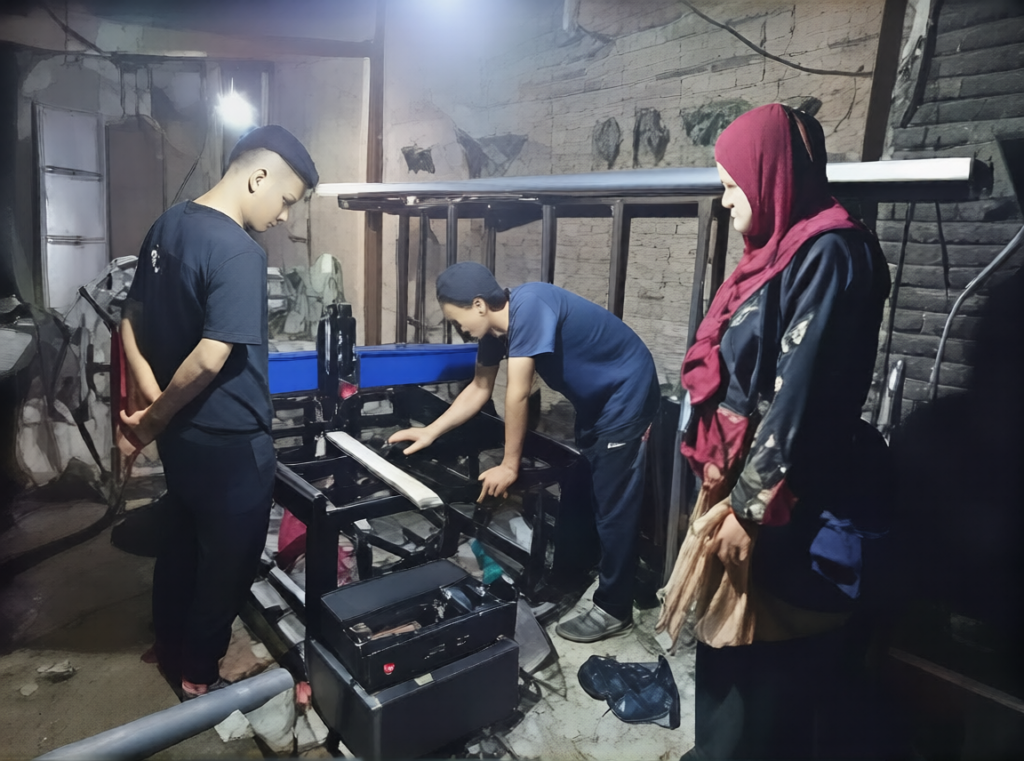
Currently, producing a gazebo takes 2 weeks and a wooden house takes 1 month. Sometimes customers are impatient to wait long and choose to switch to competitors. Partners in producing gazebos and wooden houses still use manual methods both in terms of drawing designs that still use manual sketches and production tools only use wood cutting machines, pasah, graji, chisel, hammer. The lack of use of technology in drawing designs using computer applications so that there is no clear reference image in production will hamper the production process. The machine used is only a wood cutting machine, the lack of utilization of the machine used will slow the production process. By utilizing CNC machines for cutting and carving wood will speed up the production process and create product diversification.
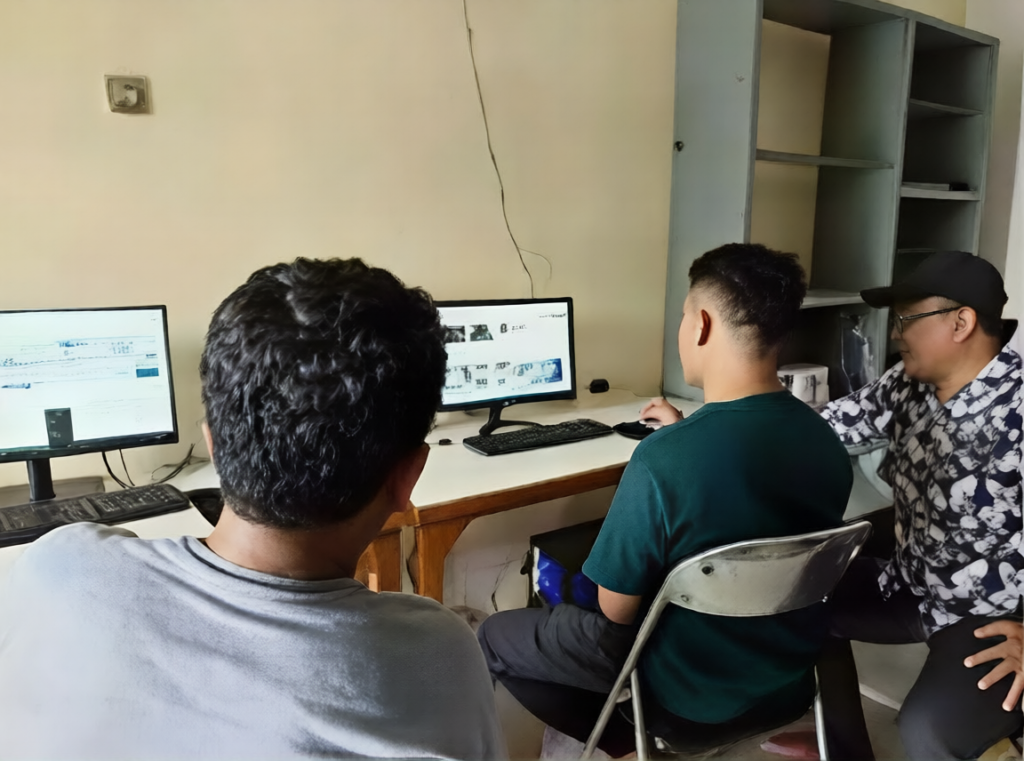
UNIMUS SEMARANG STUDENT INNOVATION PRESENTS IN THE FINAL PRESENTATION OF COMMUNITY SERVICES IN PRANGGONG AND KEDUNGDOWO VILLAGES, BOYOLALI, CENTRAL JAVA
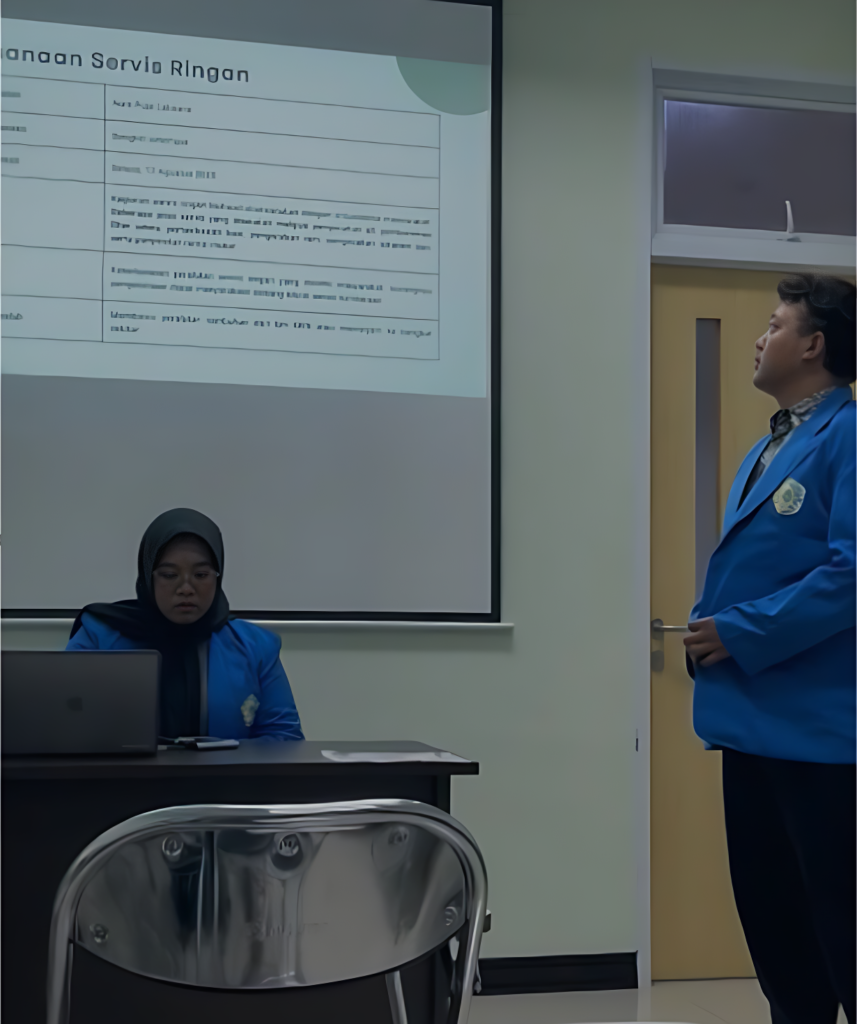
Semarang – Muhammadiyah University of Semarang (Unimus) once again demonstrated its commitment to community service through the Community Service Program. On Wednesday (September 17, 2025), two groups of students presented the final results of their community service in Pranggong Village and Kedungdowo Village, Andong District, Boyolali. The presentations took place at the Nursing Research Center (NRC) and the Joint Lecture Building (GKB 3) of the Unimus Semarang Postgraduate Program, and were attended by Field Supervisors and academics.
The first group, assigned to Pranggong Village, raised the theme “Community Empowerment through Agricultural Technology Innovation, Health Digitalization, and Sustainable Waste Management.” For one month, 15 students implemented various programs focused on solving local problems.
They introduced a simple fertilizer spreading tool that helps farmers save energy and time, and trained residents in processing plastic waste into environmentally friendly paving blocks. In addition, the students provided digital marketing training using Canva for MSMEs, held savings education for elementary school students, and even provided leadership training for youth organizations.
The group leader, Eko Teguh Wibowo, stated that community participation was very high. “The community’s enthusiasm is proof that simple innovations can have a real impact on farmers, MSMEs, and even elementary school children,” he said.
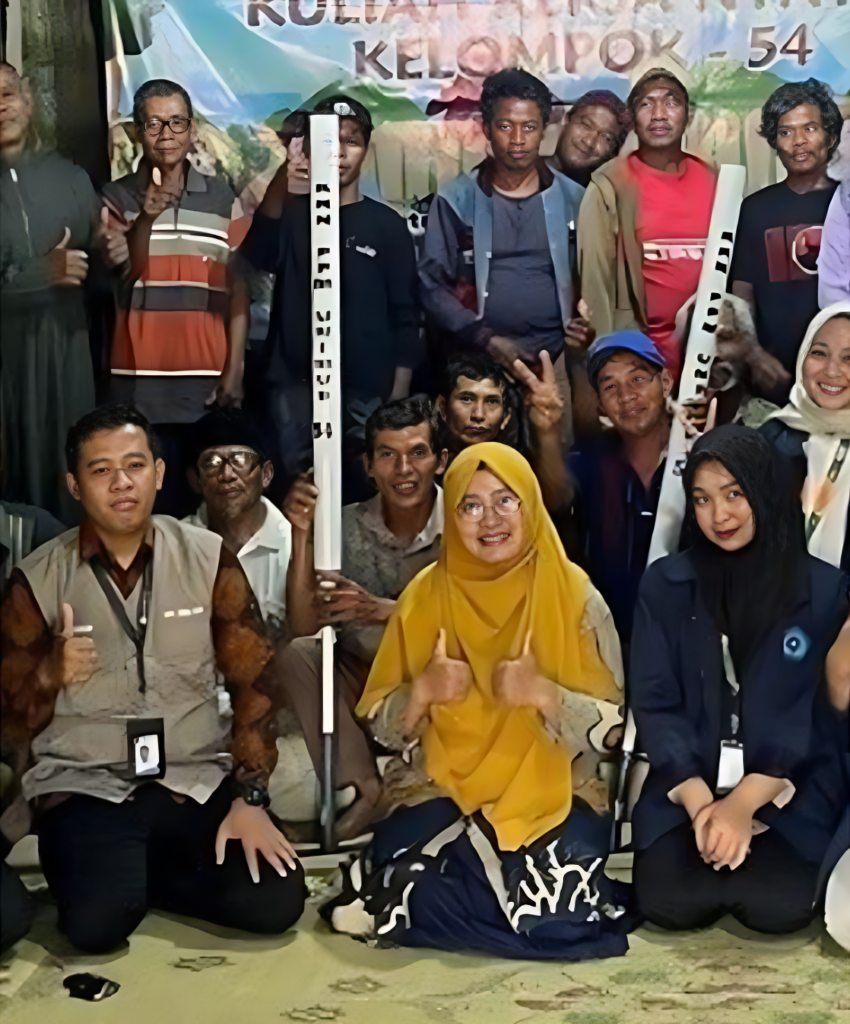
Meanwhile, the second group, stationed in Kedungdowo Village, carried the theme “Planting Devotion in the Village, Reaping a Golden Indonesian Civilization.” Fifteen students implemented flagship programs, including a demonstration of making eco-friendly paving blocks from plastic waste, an eco-printing workshop using local leaves, and making aromatherapy candles from used cooking oil.
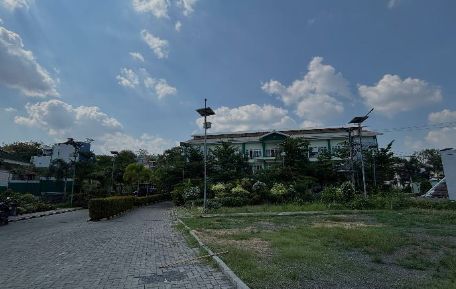
Renewable Energy Sources in Campus
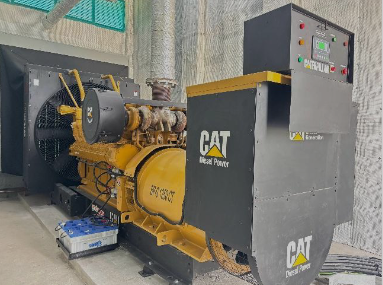
Universitas Muhammadiyah Semarang actively promotes the transition toward renewable and low-emission energy sources to reduce its dependency on fossil fuels. As of 2025, three major renewable energy systems are in operation across the campus: biodiesel power generation, solar-powered street lighting (PJU), and rooftop solar panels installed at the Vocational Training Center (BLK).
The total renewable energy production amounts to 46,785 kWh/month, equivalent to 561,420 kWh/year. When compared to the university’s total electricity consumption of 383,430 kWh/month (≈ 4,601,160 kWh/year), the ratio of renewable energy production is calculated as:
| No | Renewable Energy | Production (in kWh) |
| 1 | Biodiesel | 45,840 |
| 2 | Solar panel | 180 |
| 3 | Solar Power Rooftop BLK | 270 |
| Total | 46.290 |
Transportation on Campus
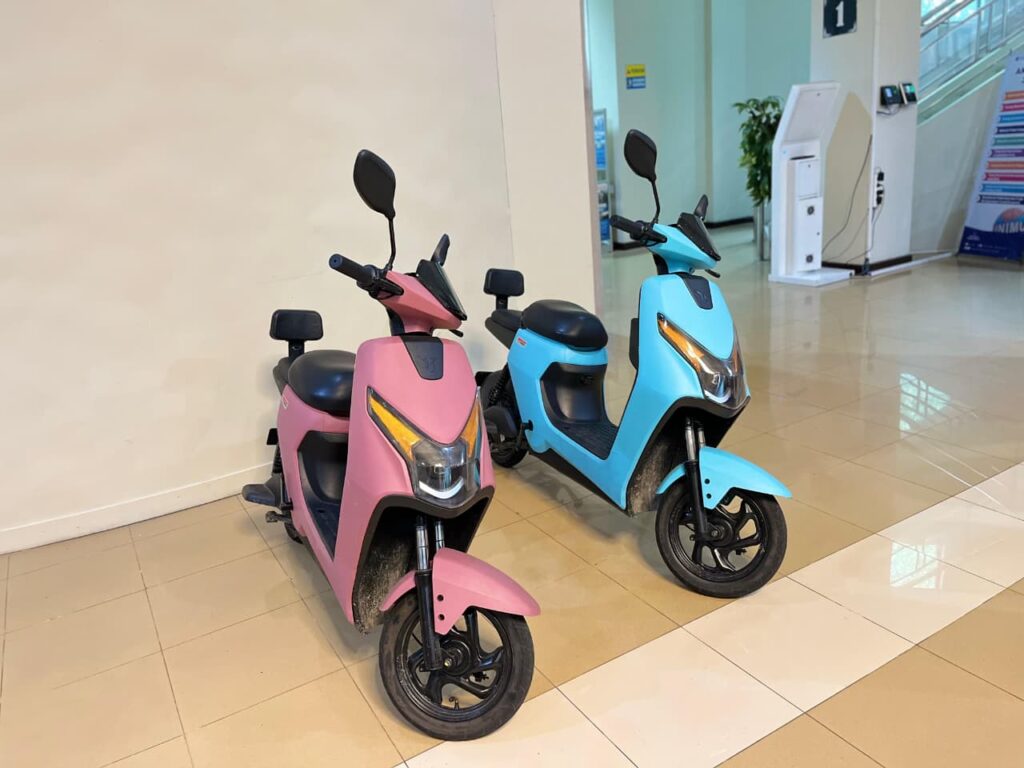
Universitas Muhammadiyah Semarang provides Zero Emission Vehicles (ZEV) to facilitate the mobility of its academic community within the campus, enabling easy access to various facilities. The fleet consists of bicycles and electric bicycles (E-bikes), which are made available free of charge to all members of the academic community. UNIMUS also provides a shuttle service, as shown in Figure 1. This shuttle service consists of a small biodiesel-fueled bus, operated regularly by UNIMUS, and is available free of charge for all members of the UNIMUS academic community.
Waste Management
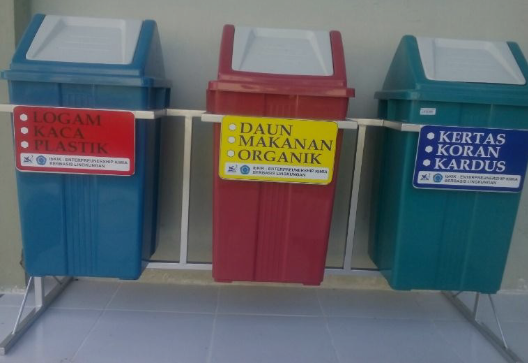
University of Muhammadiyah Semarang has implemented the 3R program (Reduce, Reuse, and Recycle) as part of its commitment to becoming a green and sustainable campus. This program is carried out in an integrated manner by the Business Assurance and Management Unit (UPPU) with active support from faculties, students, and educational staff.
Building Management
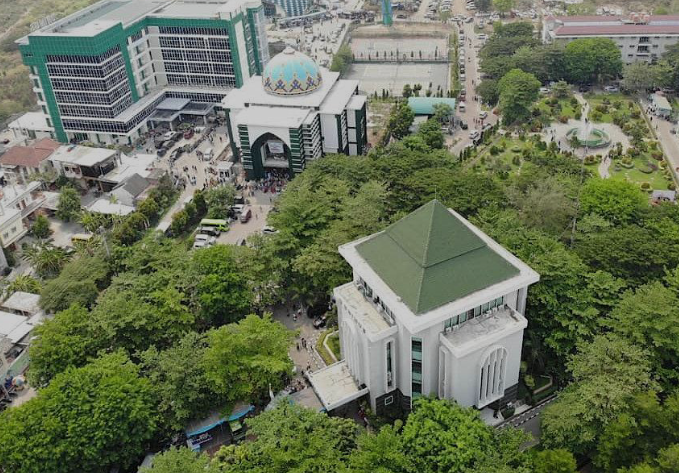
Universitas Muhammadiyah Semarang has integrated the concept of smart building into several key facilities that meet at least five intelligent features, including room automation, safety systems (CCTV), energy management, water waste management, and indoor environmental control. As of 2025, UNIMUS has implemented smart building technology in multiple core buildings such as Joint Lecture 1, Joint Lecture 2, Joint Lecture 3 and Hospital Building UNIMUS.
Jl. Kedungmundu Raya No. 18, Kec. Tembalang, Kota Semarang, Jawa Tengah.
(024) 76740296
Copyright 2025, UNIVERSITAS MUHAMMADIYAH SEMARANG. All Rights Reserved.